The man who confessed to one of the most brutal mass killings in Alabama history was executed by lethal injection Thursday evening, bringing a final, controversial chapter to a case defined by unimaginable violence, a deeply flawed mental health system, and a condemned man who ultimately begged the state to kill him.
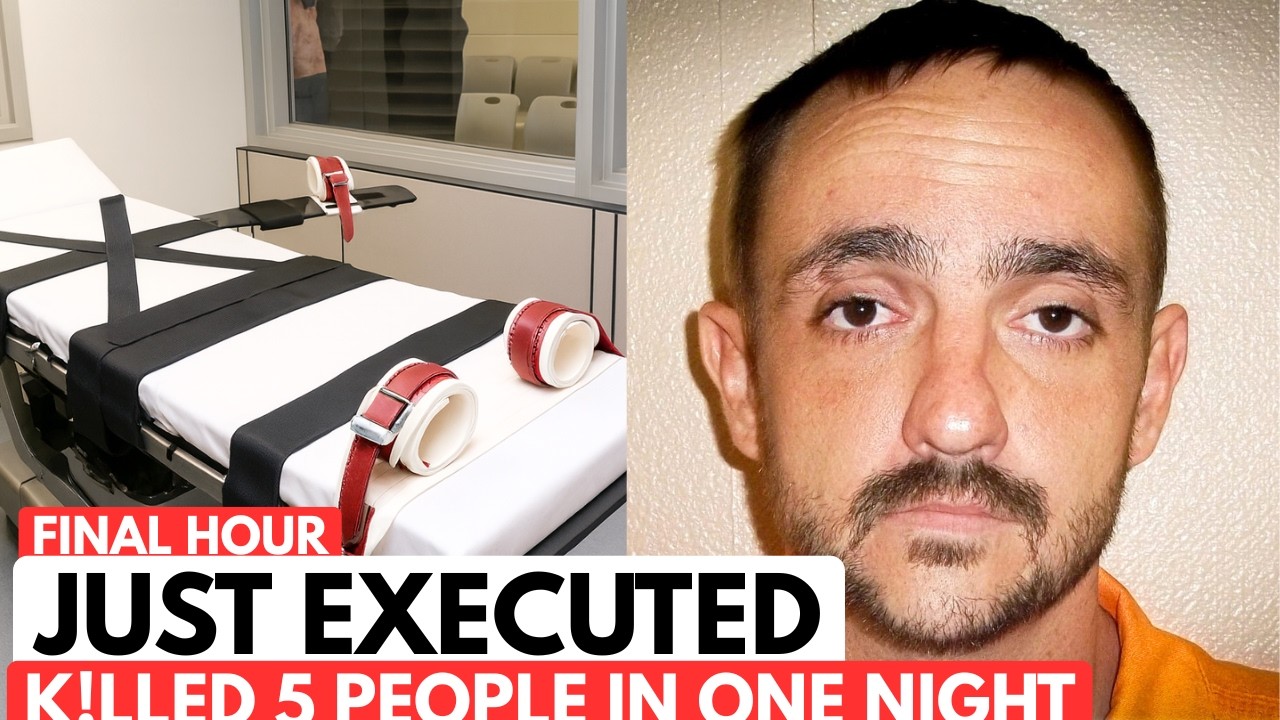
Derrick Ryan Dearman, 36, was pronounced dead at 6:14 p.m. at the William C. Holman Correctional Facility in Atmore, Alabama, after voluntarily abandoning all appeals and demanding that his death sentence be carried out. He did not fight. He did not beg for mercy. In his final moments, he turned to the families of his five victims and uttered a single, haunting word: “Forgive me.”
The execution, carried out by lethal injection, was Alabama’s fifth of 2024. But unlike nearly every other death row inmate in modern American history, Dearman was the driving force behind his own death. He fired his attorneys, pleaded guilty against their advice, and spent years actively resisting any legal effort to spare his life. His final meal was a seafood platter. He ate it without fanfare. Then he waited.
The horror that led to this moment began in the early morning hours of August 20, 2016, in a small home on a dead-end dirt road in Citronelle, Alabama, about 30 miles north of Mobile. Dearman, high on methamphetamine after six straight days without sleep, broke into the house through two locked sliding glass doors. He was carrying an axe he had picked up from the front yard.
Inside, five people were sleeping. Robert Lee Brown, 26, was in a recliner in the living room. Joseph Adam Turner, 26, was in bed with his wife, Shannon Melissa Randall, 35, and their three-month-old son. Justin Caleb Reed, 23, and his wife, Chelsea Marie Reed, 22, who was five months pregnant, were in another bedroom. Dearman’s girlfriend, Lenita Lester, was on an air mattress in the living room. She had fled to her brother’s house seeking safety from Dearman’s abuse.
Dearman struck Robert Brown in the head multiple times with the axe. He moved to the bedroom where Joseph and Shannon slept, striking them both as their infant lay in the bed. He went to the next room and struck Chelsea Reed. Justin Reed fought back, wrestling for a gun, but Dearman overpowered him. Then, according to court records, Dearman methodically shot each victim to ensure they were dead. He shot Chelsea Reed. He shot Justin Reed. He shot Joseph Turner. He shot Shannon Randall in the back of the head as she lay next to her baby. He returned to the living room and shot Robert Brown.
He did not touch Lenita Lester. He did not harm the infant. He forced Lester into a car, took the baby, and drove to his father’s house in Leakesville, Mississippi. A ransom was demanded and paid. Lester and the baby were released. When she was free, she called police. Officers arriving at the Citronelle house found five bodies. One had never been born.
Dearman surrendered at the Greene County, Mississippi police station. As he was escorted to jail, he hung his head and told reporters, “Drugs were making me think things that weren’t really there.” He was extradited to Alabama and charged with six counts of capital murder, including one under Alabama’s fetal homicide law for Chelsea Reed’s unborn child. He was also charged with kidnapping.
What happened in the courtroom over the next two years was as complicated as the crime itself. Dearman was assigned two court-appointed defense attorneys. They warned early that his probable mood disorder, suicidal thinking, and brain dysfunction were affecting his decision-making. They predicted in writing that he would likely self-sabotage and take steps to ensure a death verdict. They were right.
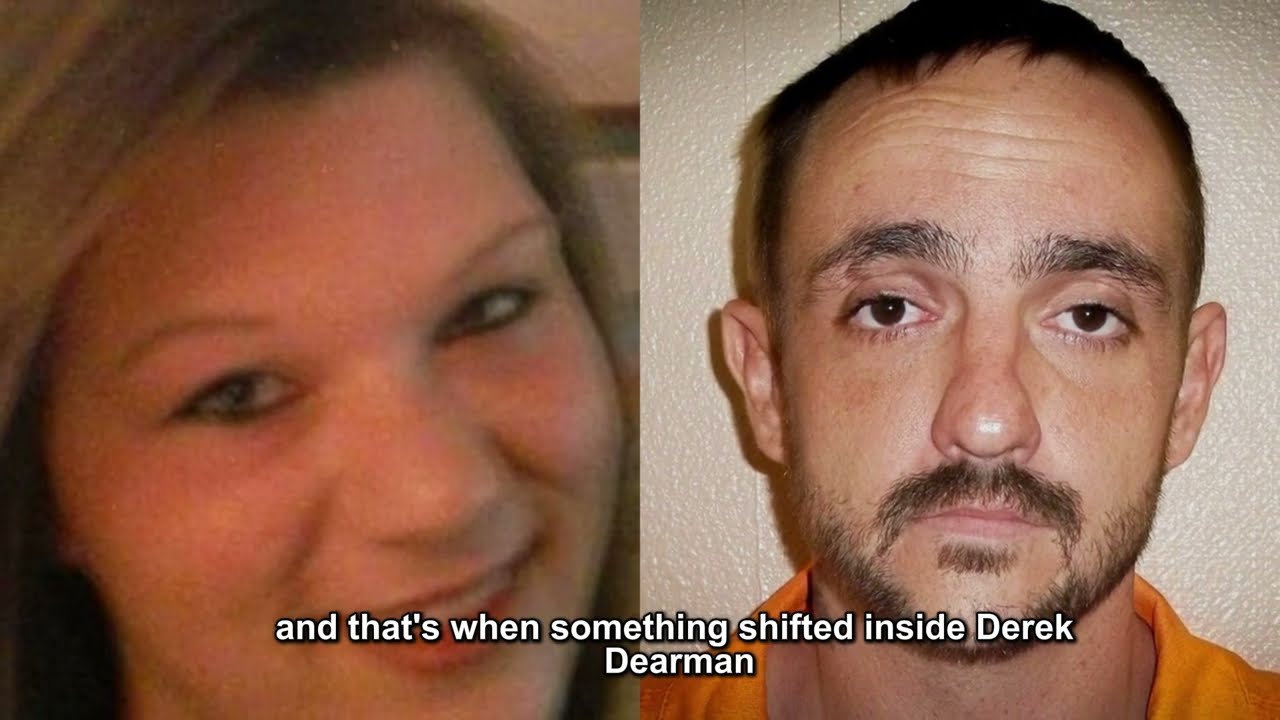
Dearman fired both attorneys and represented himself. On August 31, 2018, he pleaded guilty to five counts of capital murder committed during a burglary and five counts of murder committed as part of one scheme or course of conduct. Under Alabama law, a jury still had to hear evidence and determine the sentence. Dearman initially planned to present no mitigating evidence at all, letting the jury sentence him to death without a word in his defense.
His family intervened. Eleven relatives took the stand, describing a man who had struggled with addiction and mental illness his entire life. They begged the jury to spare his life. It was not enough. The jury unanimously recommended death. On October 12, 2018, Circuit Judge Rick Stout followed that recommendation. Dearman was sentenced to death.
The Equal Justice Initiative, one of the most prominent criminal justice organizations in the United States, argued forcefully that Dearman’s execution was unjust. They pointed to a lifetime of severe mental illness, suicidal ideation dating back to childhood, a mood disorder, brain dysfunction, and symptoms that were documented in the record but never fully addressed by the courts. They argued that no Alabama court ever properly evaluated whether Dearman was competent to plead guilty, waive his right to counsel, or drop his appeals.
“Derek Dearman stopped his appeals only after a lifetime of severe mental illness and suicidal behavior that Alabama courts have repeatedly ignored,” the organization said in a final statement.
Dearman himself was aware of the controversy. He addressed it directly in interviews. “Yes, I’m confident I’m in my right mind,” he said. “If I wasn’t, I wouldn’t be trying to think about the victim’s families and their feelings.” His spiritual adviser, Reverend Dr. Jeff Hood, put it this way: “Derek has consistently expressed this is a spiritual decision for him, not a political one.”
For almost six years, Dearman allowed the appeals process to continue. He said he did it for his family, who asked him to give them time to fight for his life. But in April 2024, he made a decision. He wrote nine handwritten letters to Alabama Governor Kay Ivey, Attorney General Steve Marshall, and the judges and officials involved in his case. The message in each was the same: he was done fighting. He was asking the state to carry out his sentence.
In a letter to the court, he wrote: “I am guilty. I plead guilty. I was found guilty. I was sentenced to death. And I 100% agree with the sentencing and believe it is fair.” He recorded an audio message for the Associated Press, saying, “I am willingly giving all that I can possibly give to try and repay a small portion of my debt to society for all the terrible things I’ve done.”
On September 3, 2024, the Alabama Supreme Court approved the death warrant. The execution was scheduled for October 17, 2024. In his final two days, Dearman received visitors and talked to friends and relatives on the phone. He chose Reverend Hood as his spiritual adviser, but told him he did not want him inside the execution chamber. He would face it alone.
The night before his execution, he wrote letters to his family. He said goodbye. On the day of his execution, he ordered a seafood platter for his last meal. He ate it, and then he waited.
At 5:58 p.m., Alabama Attorney General Steve Marshall cleared the execution to begin. Dearman was brought into the execution chamber at the William C. Holman Correctional Facility. Corrections officers strapped him to a gurney and inserted needles into veins on each arm. The viewing room on one side held members of the victim’s families. On the other side, media witnesses and Dearman’s father.
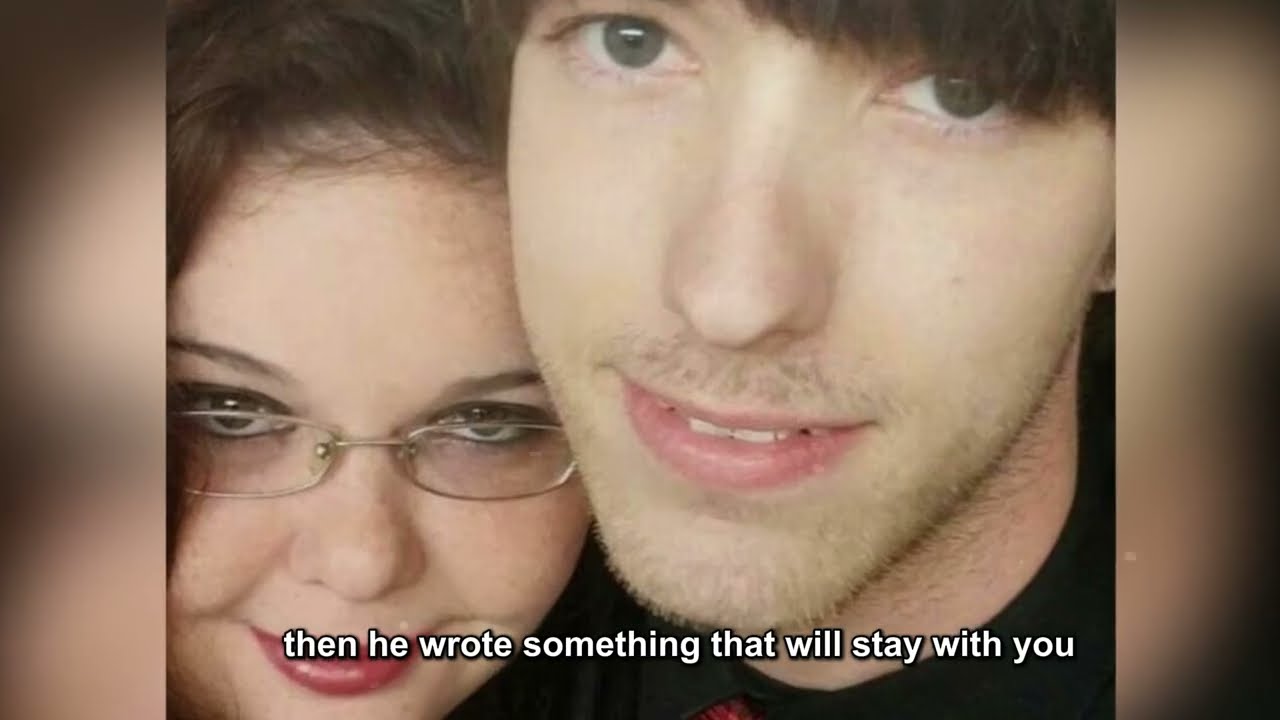
Before the drugs were administered, Dearman was given the opportunity to speak. He turned his head toward the victim’s family section and said his final words: “Forgive me. This is not for me. This is for you. I’ve taken so much.” He paused. Then he turned toward where his own family sat. “To my family, y’all already know I love you.” From across the room, his father’s voice broke the silence. “Derek, no. Derek, don’t go.”
At 6:01 p.m., a corrections officer called Dearman’s name as part of a consciousness check. His arms moved slightly. Commissioner John Ham later told reporters that was not a sign of consciousness, but an involuntary response to the drugs. The curtains to the viewing room closed at 6:08 p.m. Behind the curtain, Dearman’s father sobbed, calling out his son’s name over and over. At 6:14 p.m., Derek Ryan Dearman was pronounced dead.
After the execution, the families of the victims spoke. The prison commissioner read a statement from Bryant Henry Randall, the father of Chelsea Randall Reed and the brother of both Shannon Randall and Robert Lee Brown. He lost his daughter, his sister, and his brother all in one night eight years earlier. He wrote: “Today, goodbye will be easy for me because we have all heard the horrific things that Derek Dearman did. Whether it was drugs or just pure hate and the devil in his heart, Dearman will get a final goodbye, whereas I am still waiting on mine.”
He continued: “I so long for a final goodbye to my daughter. And I would have loved to meet my grandchild, Chelsea’s unborn baby, the one who never got a name. The one the Alabama fetal homicide law recognized as a victim. The one the family never got to hold.”
Robert Brown, the father of Robert Lee Brown, stood outside the prison after it was done. He did not have a prepared statement. He just said what was in his heart. “This don’t bring nothing back. I can’t get my son back or any of them back.”
Alabama Governor Kay Ivey issued a statement that evening. “Six lives, including an unborn baby, were gruesomely taken by Mr. Dearman in 2016. The state has obliged and justice has been served.” Attorney General Steve Marshall said the execution was appropriate in the interest of justice and finality for the families.
The Equal Justice Initiative mourned a different way. They released a statement calling attention to Dearman’s lifelong history of mental illness, arguing that no Alabama court ever properly evaluated whether he was competent to make the decisions he made. They called his death the result of a system that had been ignoring his illness for years.
Dearman himself, in one of his final recorded statements, had addressed his state of mind the night of the murders. He said it was like someone else had the steering wheel. A couple of weeks after the murders in 2016, the house in Citronelle where five people died, where a baby lay in a bed next to his dying mother, burned down. It no longer exists.
Reverend Hood said afterward that Dearman had been deeply remorseful for what he had done and that he genuinely believed volunteering to be executed was the most meaningful way he could express that remorse. “He deeply believed that volunteering was a way he could prove he was sorry,” Hood said.
What is not in dispute is this: five people walked into a house one evening expecting to wake up in the morning. They never did. A three-month-old boy lost his father and his mother before he was old enough to remember their faces. A grandfather never got to meet a grandchild who never drew a single breath. And in a small execution chamber in southern Alabama on an October evening, the man who did all of it closed his eyes and did not open them again.
Derrick Dearman was 36 years old when he died. His victims ranged from 22 to 35. An unborn child never made it to any age at all. This case sits in an uncomfortable place between a crime of staggering brutality, a mental health system that may have failed someone before it ever got that bad, and a man who at the end seemed to genuinely want accountability.
When someone who commits a crime this horrific voluntarily gives up their right to appeal and asks to be executed, is that justice? Is it remorse? Or is it something we do not quite have a word for? The question lingers, unanswered, as the families of five people continue to live with a loss that no execution can ever repair.