Prince Harry has dramatically escalated tensions within the British royal family by publicly declaring he remains an active royal despite stepping back from official duties, sparking fierce backlash. This explosive claim comes as King Charles faces a critical state visit to the US amid ongoing personal and political turmoil.

In a revealing ITV interview following a humanitarian visit to Ukraine, Prince Harry bluntly stated, “I will always be part of the royal family,” reigniting debate over his role and status. His remarks directly challenge the Sandringham agreement, which explicitly ended his official royal duties in 2020, deepening the rift with King Charles and royal insiders.
Critics instantly voiced outrage at Harry’s assertion, labeling it inaccurate and disrespectful to the late Queen Elizabeth II, who firmly outlined the boundaries of his and Meghan Markle’s royal disengagement. Many observers argue Harry’s statement undermines the monarchy’s delicate balance, especially as King Charles prepares for a high-profile U.S. state visit under immense pressure.
Harry’s unapologetic tone and refusal to accept the limits imposed on him have turned public opinion increasingly divided. Some support his right to engage in “royal work,” as he phrases it, while others accuse him of clinging to titles and privileges without accountability. This sharp clash spotlights unresolved family discord and competing narratives about loyalty and identity.
Tensions are further inflamed by the timing. Just as King Charles and Queen Camilla readied for a diplomatic mission meant to showcase unity and stability, Harry’s comments delivered a shockwave of disruption. His dismissive response when asked if his words might affect the state visit—“Any of what?… No, I don’t think so”—exacerbated concerns about his awareness of broader repercussions.
Royal commentators and insiders expressed frustration regarding the lack of direct rebuttal during the interview. Chris Ship’s soft questioning invited controversy about media access and the blurred lines between journalism and royal PR, allowing Harry to frame himself as a misunderstood figure fighting for truth and relevance.
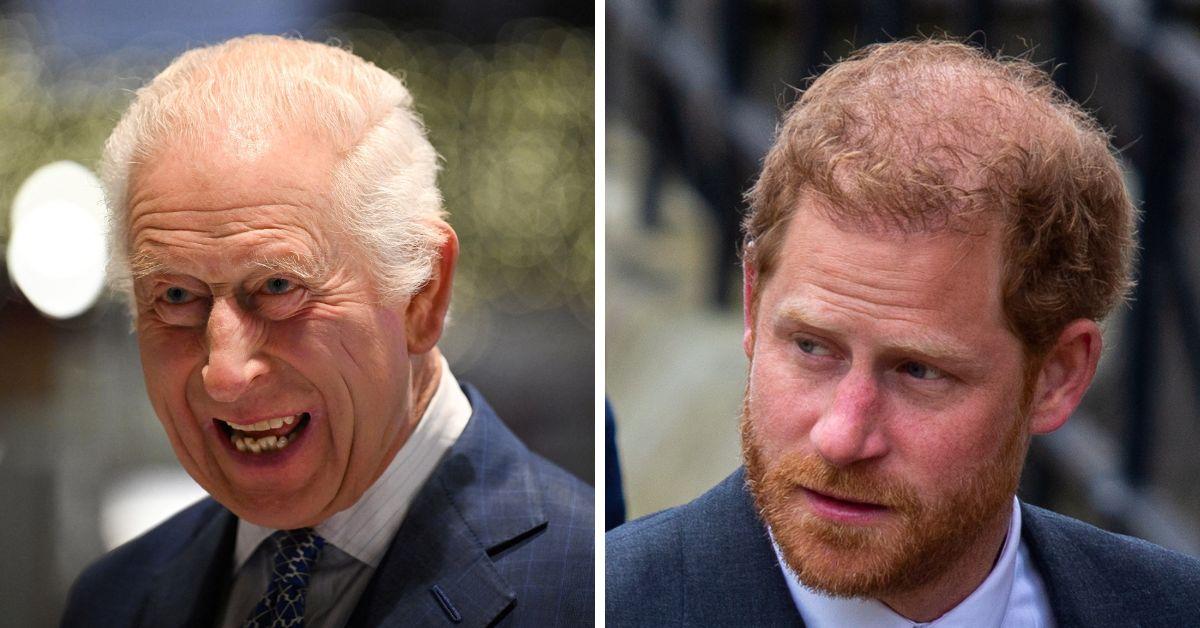
The interview wasn’t only about protocol but emotional undercurrents. Harry revisited his late mother, Princess Diana’s legacy through his work with the Halo Trust, drawing poignant parallels between her past humanitarian efforts and his present mission. Yet detractors were quick to charge his actions as performative gestures for media attention rather than genuine tribute.
Behind the scenes, palace insiders reportedly feel exhausted and uncertain about how to respond. The steady stream of appearances and declarations by Harry and Meghan—often uncoordinated with the royal household—has eroded previously respected boundaries, fueling rumors of a deliberate campaign to preserve relevance outside traditional frameworks.
Meanwhile, the forthcoming state visit showcases a stark contrast: invitations extended to high-profile figures like Anna Wintour and Martha Stewart while Harry and Meghan remain conspicuously absent. This exclusion reflects a strategic decision by the palace, aimed at controlling optics and preventing the Sussexes from overshadowing or complicating the king’s delicate diplomatic engagements.
The fallout echoes beyond family squabbles, touching on royal brand management and public perception. Polls suggest Prince Harry’s approval ratings have plummeted to near 30%, signaling waning public sympathy and raising questions over his long-term influence compared to Prince William, who is increasingly framed as the stable modern face of the monarchy.
Royal commentator Robert Jobson poignantly captured the private grief of King Charles, who is reportedly grappling with terminal cancer while enduring public family conflict. Despite public composure, this internal pain is deepening, with suggestions Harry’s disruptive stance imposes additional emotional burdens on his ailing father during a critical moment.
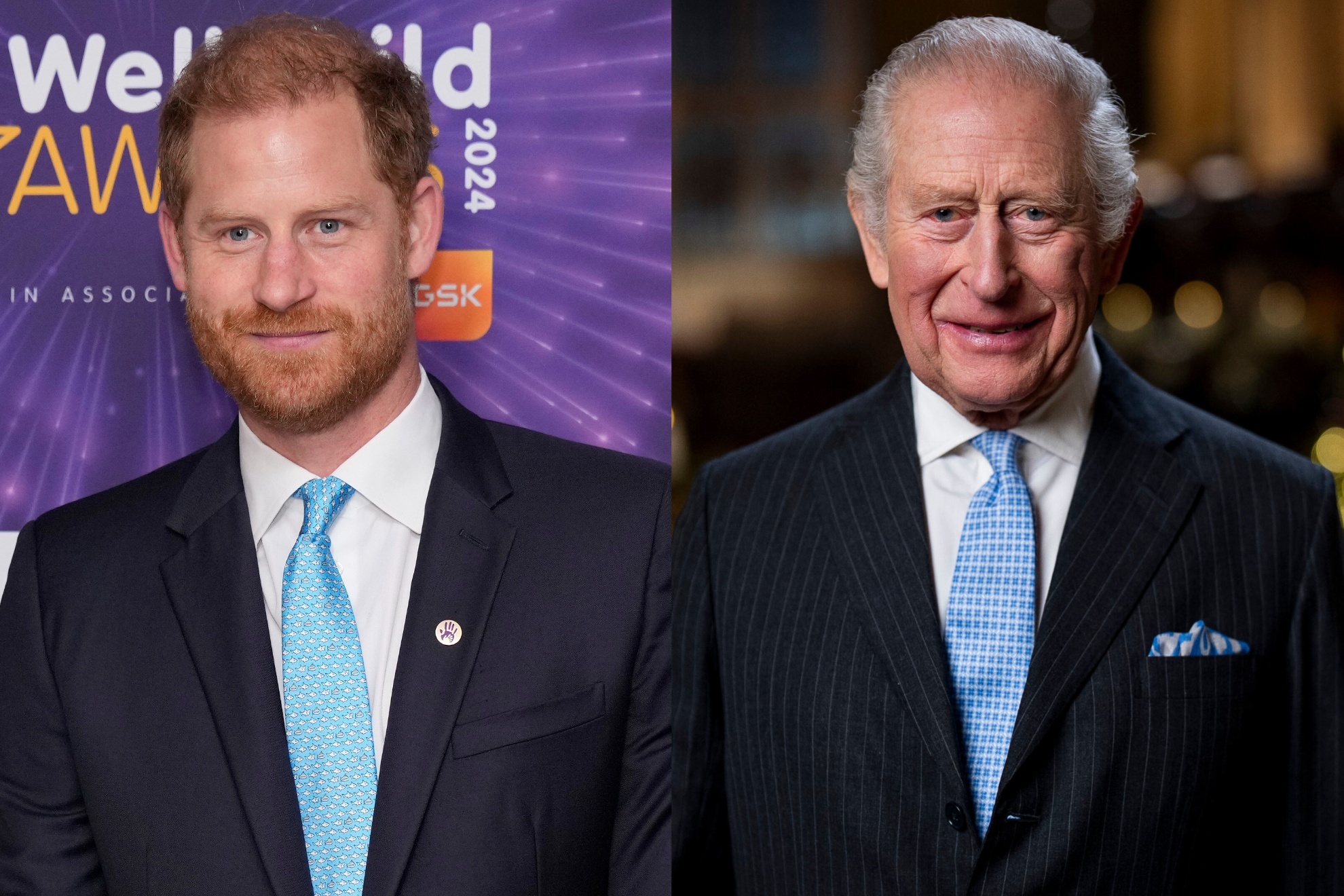
Legal battles and social media restrictions by Harry stand in stark contrast to his complaints of being “gagged,” generating accusations of hypocrisy. Critics highlight his extensive use of litigation against the press, pointing out the contradictions in his narrative about free speech and victimhood.
The narrative is complicated further by Harry’s apparent attempts to renegotiate royal terms unilaterally. The Sandringham Agreement of 2020, spearheaded by the late queen, clearly rejected a “half-in, half-out” royal status, yet Harry’s public positioning suggests a strategic recalibration that unsettles royal watchers and fuels media frenzy.
Body language experts and viewers noted visible tension during the interview, especially when Harry faced probing questions about his impact on the king’s US tour. His discomfort—marked by evasive glances and a shortened conversation—has been interpreted as revealing cracks in the usually composed prince’s facade.
As the debate intensifies, some royal insiders speculate Harry’s actions may serve as calculated provocations, testing King Charles’s resolve and the limits of palace patience. This growing shadow of familial defiance risks undermining royal unity at a time when public trust and dignity are paramount.
Meanwhile, speculation about future plans is rife. Sources indicate the Sussexes are preparing a major tour in Africa with Commonwealth-level visibility but without official royal endorsement. This “royal-like” tour could reignite controversies over recognition, funding, and the proper use of royal connections outside sanctioned channels.
Amidst this swirling storm, Prince William emerges prominently framed as the “prince for our times,” symbolizing continuity and measured leadership. The sharp media contrast between William’s steady rise and Harry’s turbulent path intensifies public debates on legacy, responsibility, and the evolving identity of the British monarchy.

In sum, Prince Harry’s recent revelations have shattered any illusions of quietude within the royal family, exposing raw disagreements and competing visions of duty. As the world watches closely, the fallout promises ongoing headlines, fractious debates, and a royal saga charged with personal pain and political consequence.
The royal family now faces an inflection point. With King Charles balancing public sovereignty and private suffering, the consequences of this high-stakes 𝒹𝓇𝒶𝓂𝒶 will echo for years. Observers await the king’s response and whether any reconciliation or further rupture lies ahead amidst this relentless storm.
As the story unfolds, questions remain urgent: Will Harry’s push to redefine his role fracture the monarchy irreparably? Can diplomatic and familial bridges be mended before damage—both personal and institutional—becomes irreversible? The answers may reshape the future of the British crown itself.
This is a pivotal moment, not just for the House of Windsor but for a global audience enthralled by its dramas. Whatever the next chapter holds, the shockwaves of Prince Harry’s latest interview will resonate far beyond palace walls, marking a defining episode in royal history and the complex dance of power, identity, and family.