Joe Nathan James Jr. was executed in Alabama on July 28, 2022, for the brutal murder of his ex-girlfriend, Faith Hall. The execution, lasting over three hours, raised serious questions about its conduct, especially as Faith’s family had publicly pleaded for mercy, complicating the narrative of justice and forgiveness.
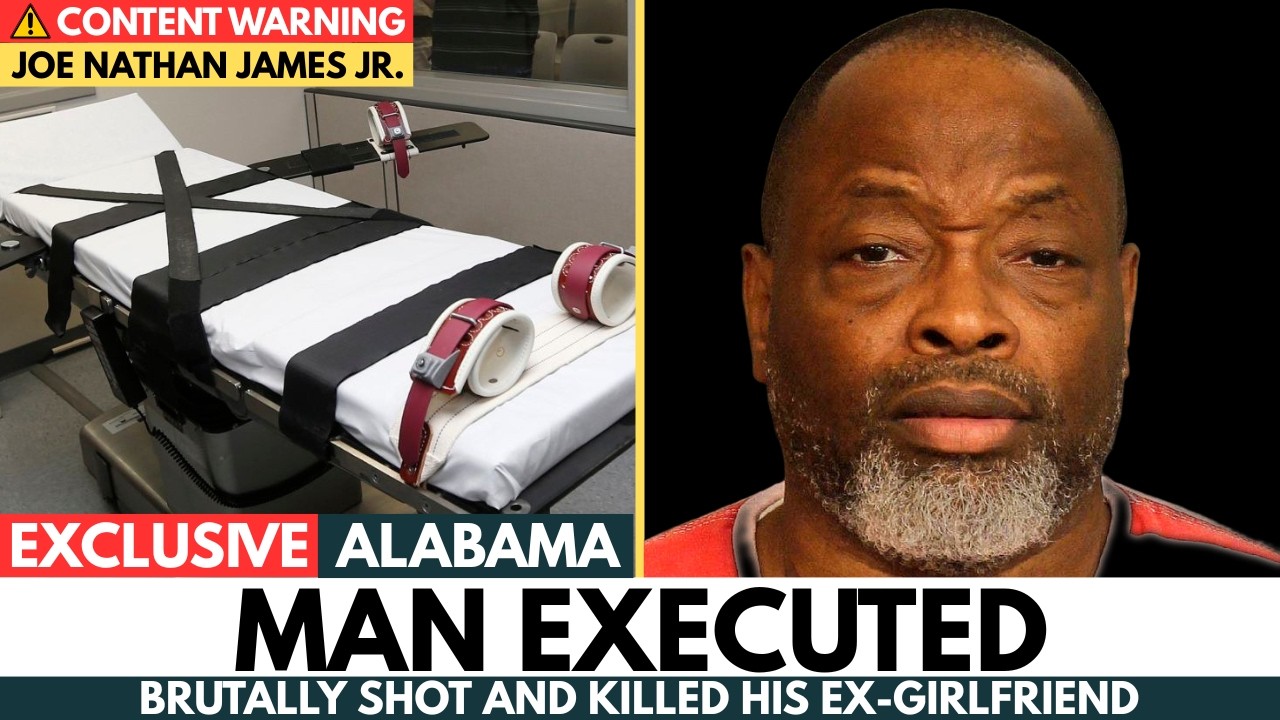 As the clock ticked toward the scheduled execution time, tension filled the air. Witnesses gathered, some with heavy hearts, others with resolute faces, waiting for the state to carry out its grim duty. Yet, as the hours dragged on, uncertainty loomed. By 9:27 p.m., after a protracted ordeal, Joe Nathan James Jr. was pronounced dead, leaving behind a trail of unanswered questions.
The execution deviated from the norm, with reports indicating that James exhibited no signs of consciousness or final words during the procedure. Observers noted his eyes remained closed, and there was a chilling absence of clarity about his awareness as the state moved forward with the lethal injection.
Complications emerged as a private autopsy revealed multiple puncture wounds on James’ body, suggesting a botched execution attempt. Medical professionals speculated that repeated attempts to insert IV lines may have led to a painful and drawn-out death, contradicting the state’s assurances of a smooth process.

This execution was not just about James; it was a culmination of years of legal battles, family forgiveness, and ethical dilemmas surrounding capital punishment. Faith Hall’s family, the victims of this tragic crime, had publicly expressed their desire for mercy, complicating the narrative of justice.
Their plea for clemency resonated deeply, raising profound questions: If the victims’ family forgives the perpetrator, what does justice mean? Is it merely the state’s duty to exact revenge, or is it something more nuanced that involves compassion and understanding?
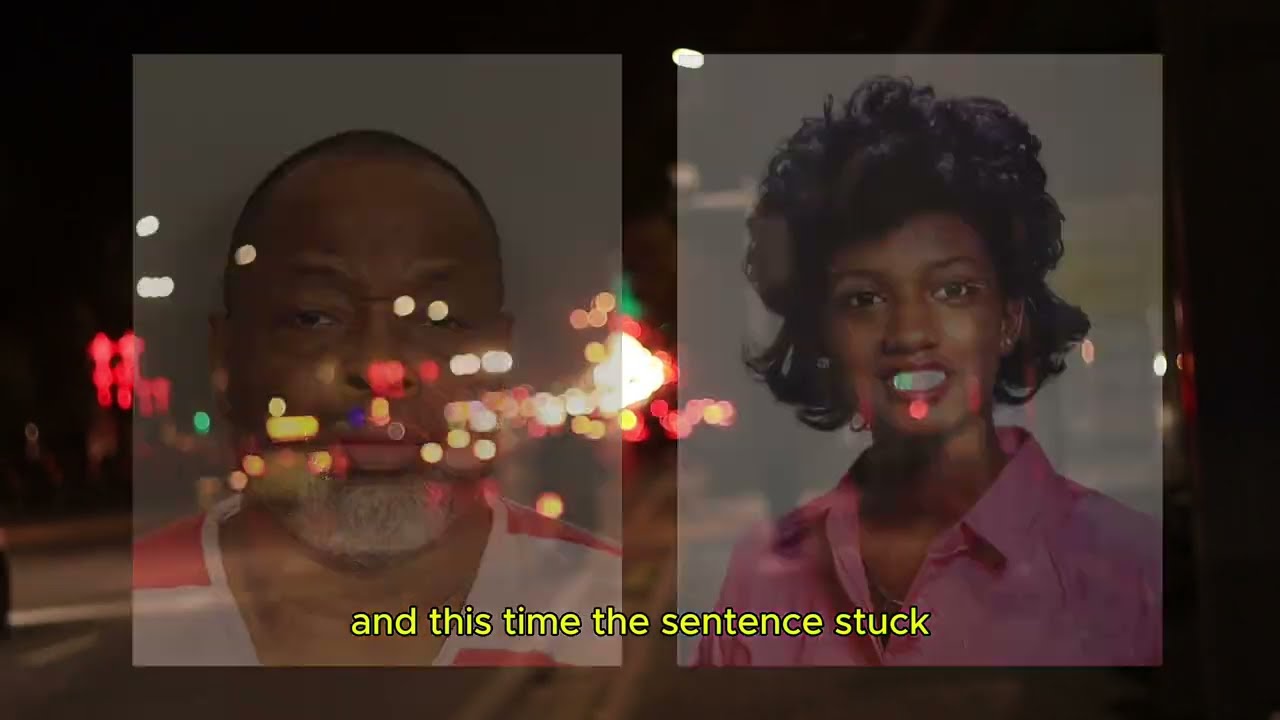
The execution took place against a backdrop of legal disputes, with James arguing that he had not been adequately informed about alternative execution methods. His claims were dismissed, and the state pressed on, seemingly indifferent to the complexities surrounding the case.
As Alabama paused executions following this controversial incident, the implications were far-reaching. The case highlighted systemic issues within the execution process, prompting calls for investigations and a reevaluation of capital punishment practices in the state.
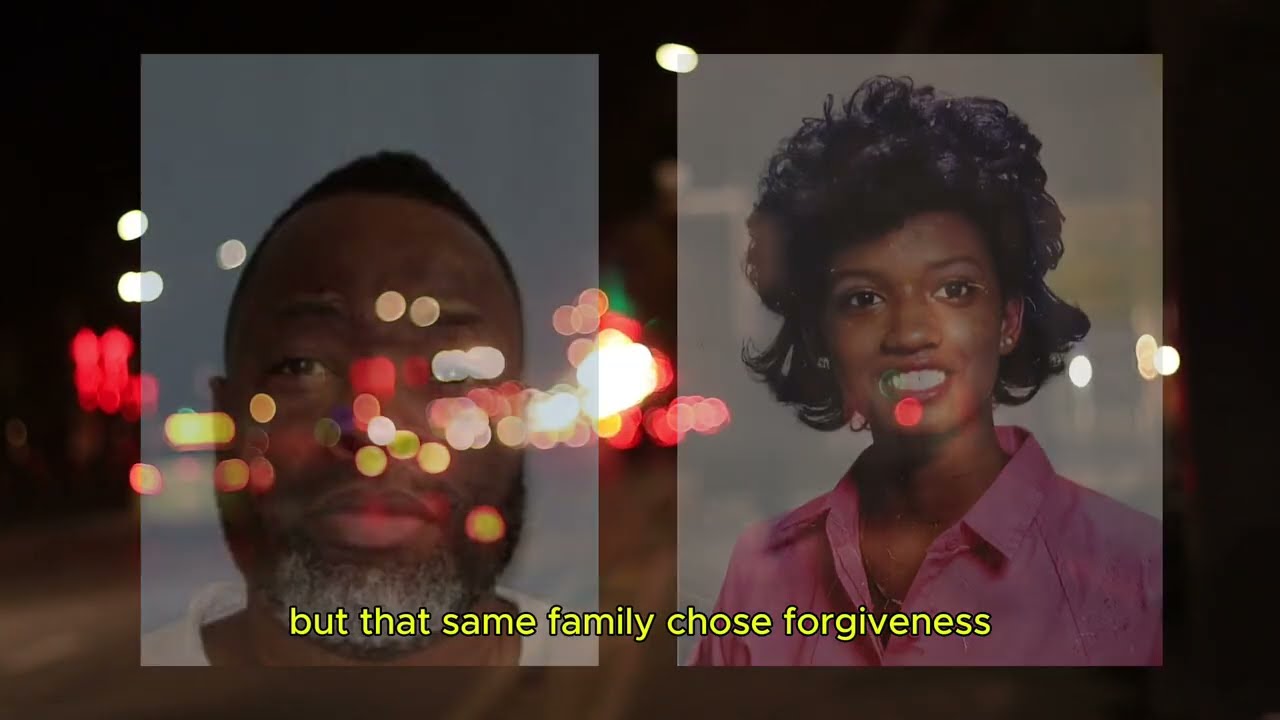
Faith’s family reiterated their stance, emphasizing their forgiveness while grappling with the aftermath of the execution. They stood firm in their belief that taking another life would not bring closure or healing, further complicating the narrative surrounding justice and retribution.
In the wake of this execution, the community is left wrestling with uncomfortable questions. Was this truly justice served, or a failure of the system? The haunting echoes of forgiveness and the brutal reality of murder collide, leaving a story that is anything but simple.
As the dust settles, the broader conversation about the ethics of capital punishment continues, fueled by the complexities of this case. When forgiveness and law intersect, clarity often fades, leaving only a troubling landscape of moral ambiguity.