In a groundbreaking revelation, researchers have uncovered that nearly 60% of Machu Picchu’s construction lies hidden underground, revealing an intricate system of terraces designed not just for agriculture but as an advanced hydraulic engineering marvel. This discovery redefines our understanding of the Inca civilization’s ingenuity and adaptation to their challenging environment.
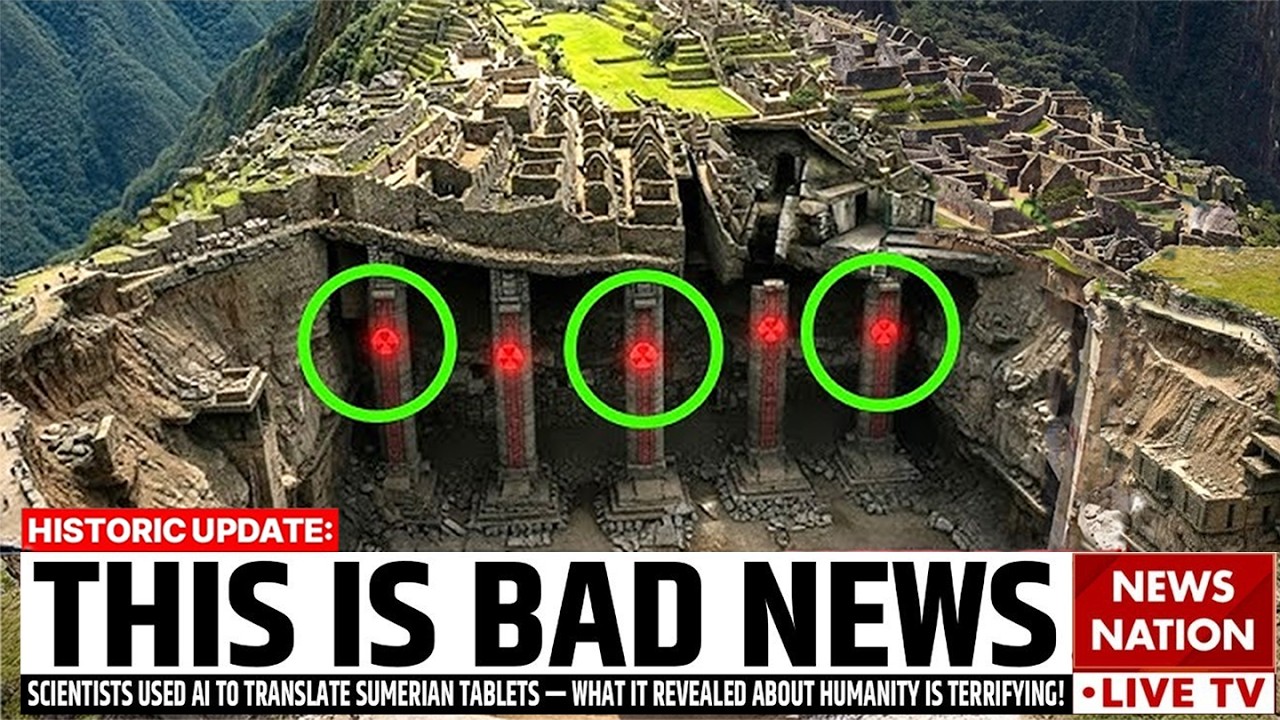 The terraces of Machu Picchu, long celebrated for their beauty and agricultural utility, are now recognized as a sophisticated engineering feat that has stood the test of time. For over a century, these terraces have been admired for their role in farming, but new studies unveil a deeper purpose—managing the region’s intense rainfall and preventing landslides.
Beneath the surface, a complex network of drainage channels and foundation layers has been meticulously crafted to control water pressure within the soil. This remarkable system not only directs rainwater but also stabilizes the ground, showcasing the Inca’s extraordinary understanding of hydrology and soil mechanics.
 Machu Picchu sits precariously at 2,400 meters above sea level, a site that modern engineers would deem unsuitable for a settlement. Yet, the Inca thrived here, thanks to their innovative terrace system. Each of the more than 700 terraces acts like a sponge, absorbing rainfall and preventing erosion, ensuring the city’s survival amid the mountains’ relentless forces.
Recent hydrological studies reveal that the drainage capacity of this system is akin to that of a small river, far exceeding the volume of water from rainfall alone. This raises critical questions about the true purpose of the terraces—were they merely agricultural, or were they designed to manage a more significant hydrological challenge from beneath?

Geological investigations suggest that Machu Picchu is situated atop several fault lines, potentially creating a natural pipeline for groundwater. This underground water, trapped and pressurized, could have posed a severe threat to the stability of the site. The Inca may have ingeniously designed the terraces not just for farming but to mitigate this hidden danger.
 As scientists delve deeper into the mechanics of Machu Picchu, the narrative shifts from one of a lost civilization to that of an extraordinary engineering achievement. The terraces emerge as a protective shell, a silent guardian that has quietly maintained stability in a precarious environment for centuries.
Visitors to Machu Picchu today might admire its breathtaking views and ancient stone structures, but the real marvel lies beneath their feet. The ancient Inca civilization may have created a system that continues to function, managing water and preventing disaster long after its builders have vanished.
This remarkable discovery not only reshapes our understanding of Machu Picchu but also highlights the Inca’s unparalleled engineering prowess. As researchers continue to explore the depths of this historic site, the legacy of the Inca civilization becomes clearer, revealing a sophisticated relationship with nature that resonates through time.