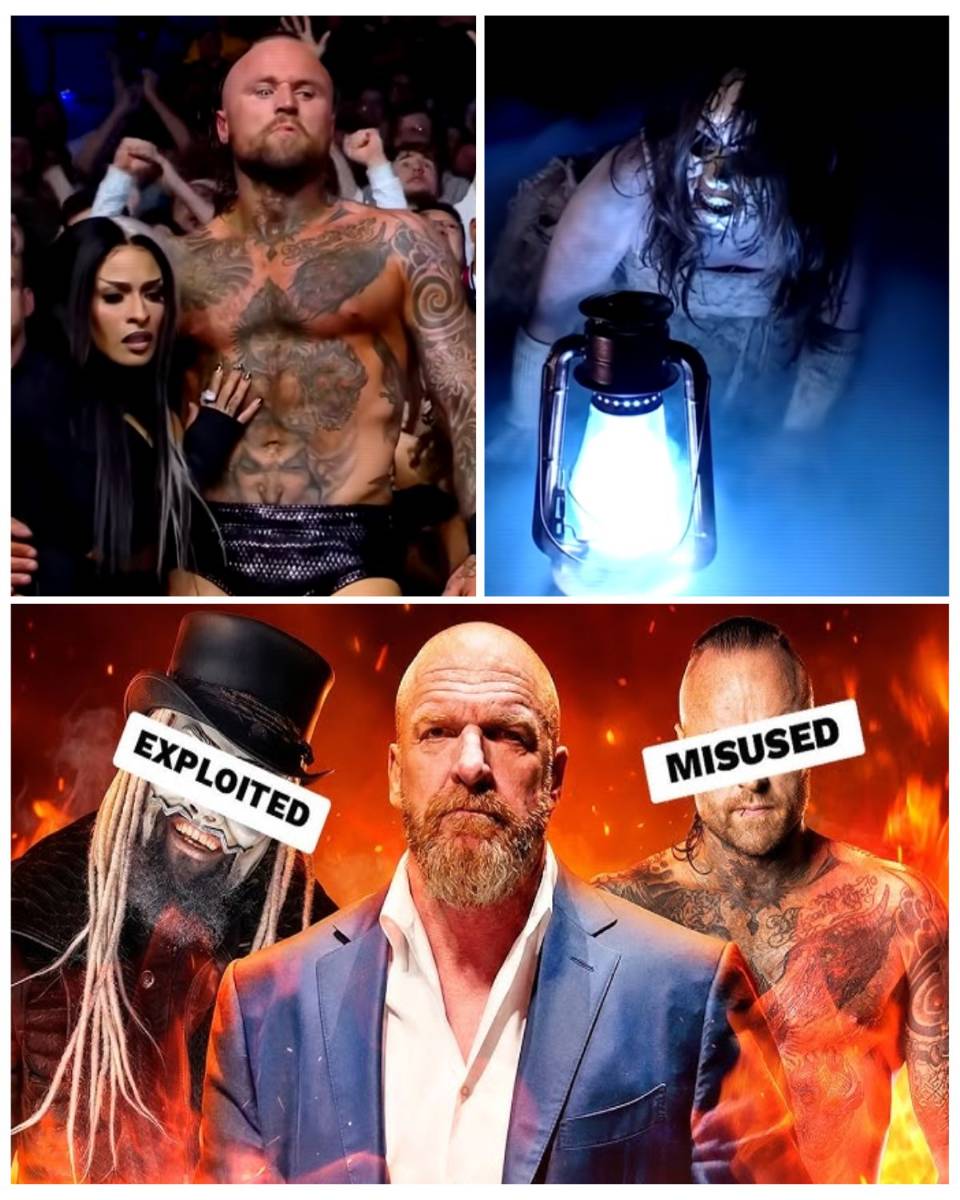
In a stunning blow to the wrestling world, WWE has abruptly released a slew of beloved talents just days after WrestleMania shattered gate records, drawing fierce backlash for what critics call exploitation and corporate greed. Stars like Kairi Sane and the Wyatt 6 faction, once hailed as future icons, now face uncertain futures, leaving fans reeling from the company’s apparent disregard for loyalty and creativity.
 This latest purge comes amid WWE’s booming profits, highlighting a glaring contradiction that has ignited outrage across social media. Wrestlers who poured their hearts into storylines and matches were suddenly cut, with no clear explanation from executives at WWE or its parent company, TKO. The timing, right before a live SmackDown broadcast, forced remaining talent to perform while grappling with their colleagues’ dismissals, amplifying the emotional toll.
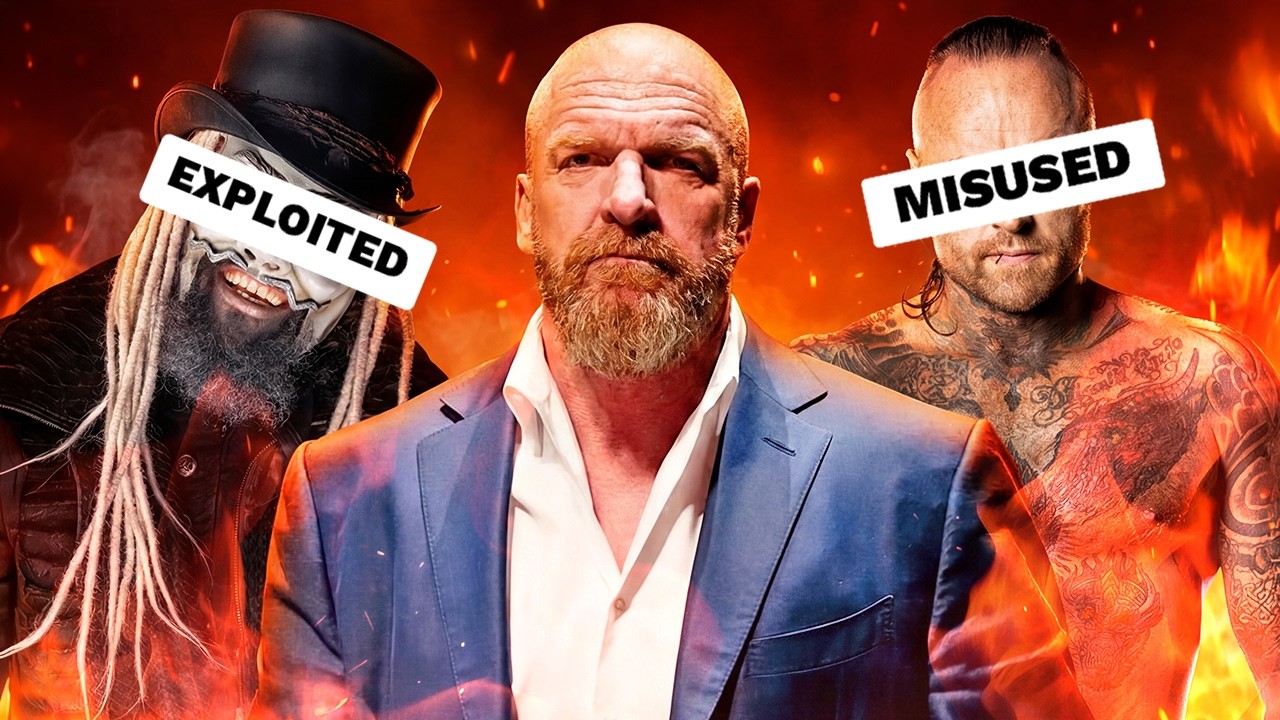
At the heart of the controversy is the Wyatt 6 faction, designed to honor the late Bray Wyatt with supernatural flair. Their debut was electric, promising a fresh era of intrigue, but WWE’s booking faltered, leaving them adrift in stale feuds and minimal screen time. Bo Dallas, as Uncle Howdy, showcased brilliant character work, yet he languished unused for years, fueling theories that WWE’s leadership, including Triple H, simply lost interest in such storytelling.
Kairi Sane’s release stands as perhaps the most baffling, cutting short a red-hot storyline with Asuka that had captivated audiences. As a former world champion and locker room favorite, Sane embodied the potential of WWE’s women’s division, now under fire for inconsistent focus. Fans have rallied with #WeWantKairi, but the move underscores a broader pattern of undervaluing female talent, especially after WrestleMania sidelined key women’s matches.
 Aleister Black’s ousting adds to the puzzle, as he was reportedly lined up for a high-profile role alongside Randy Orton at WrestleMania. This abrupt shift from spotlight to severance echoes his previous release, wasting resources on character revamps that never materialized. His wife, Zelina Vega, also let go, had pushed for more meaningful opportunities with the WWE Women’s United States Championship, only to see it languish without proper booking.
The fallout extends to NXT’s LFG show winner, Tyra Steel, who was touted as a rising star but axed after just a year. This decision has sparked unrest within developmental ranks, with performers questioning the point of investment in new talent if they’re discarded so quickly. WWE’s pattern of prioritizing profits over growth raises alarms about a soulless corporate machine.
Critics point to WWE’s history of such moves, often timed suspiciously to generate buzz or control narratives, as seen with past rehires like R-Truth. Yet, these releases feel particularly tone-deaf, ignoring the human element behind the spectacle. Wrestlers like Nikki Cross, a Wyatt 6 member and former champion, were pigeonholed into roles that squandered their abilities, leaving fans to wonder if anyone is truly safe.

WWE’s defense might hinge on business necessities, but the optics are damning: a company flush with cash from events and licensing deals, like those with Universal Studios, still wields the axe. This isn’t just about budget cuts; it’s about a failure to nurture the very assets that drive fan engagement, from emotional arcs to character depth.
The wrestling community is abuzz, with voices like Bully Ray decrying the mishandling of talents like Bo Dallas, who could have kept Bray Wyatt’s legacy alive. Instead, WWE opted for short-term gains, potentially alienating a loyal base that demands more than recycled plots and abrupt endings.
 As the dust settles, the question lingers: Has WWE lost its way, prioritizing greed over the magic that made it a cultural force? These releases aren’t mere business—they’re a betrayal of the trust built with performers and audiences, signaling a troubling new era where creativity takes a back seat to the bottom line.
The ripple effects could reshape the industry, with released stars like Sane and Black eyeing opportunities elsewhere, possibly in rival promotions that value their skills. WWE’s missteps might prompt a fan exodus, as loyalty wanes in the face of such callousness, forcing executives to reckon with the backlash.
In the end, this saga exposes deeper issues within WWE’s structure, where talented individuals are set up for failure through poor planning and indifference. As the company barrels forward, the wrestling world watches closely, hoping for reform before it’s too late, but the damage is already done.