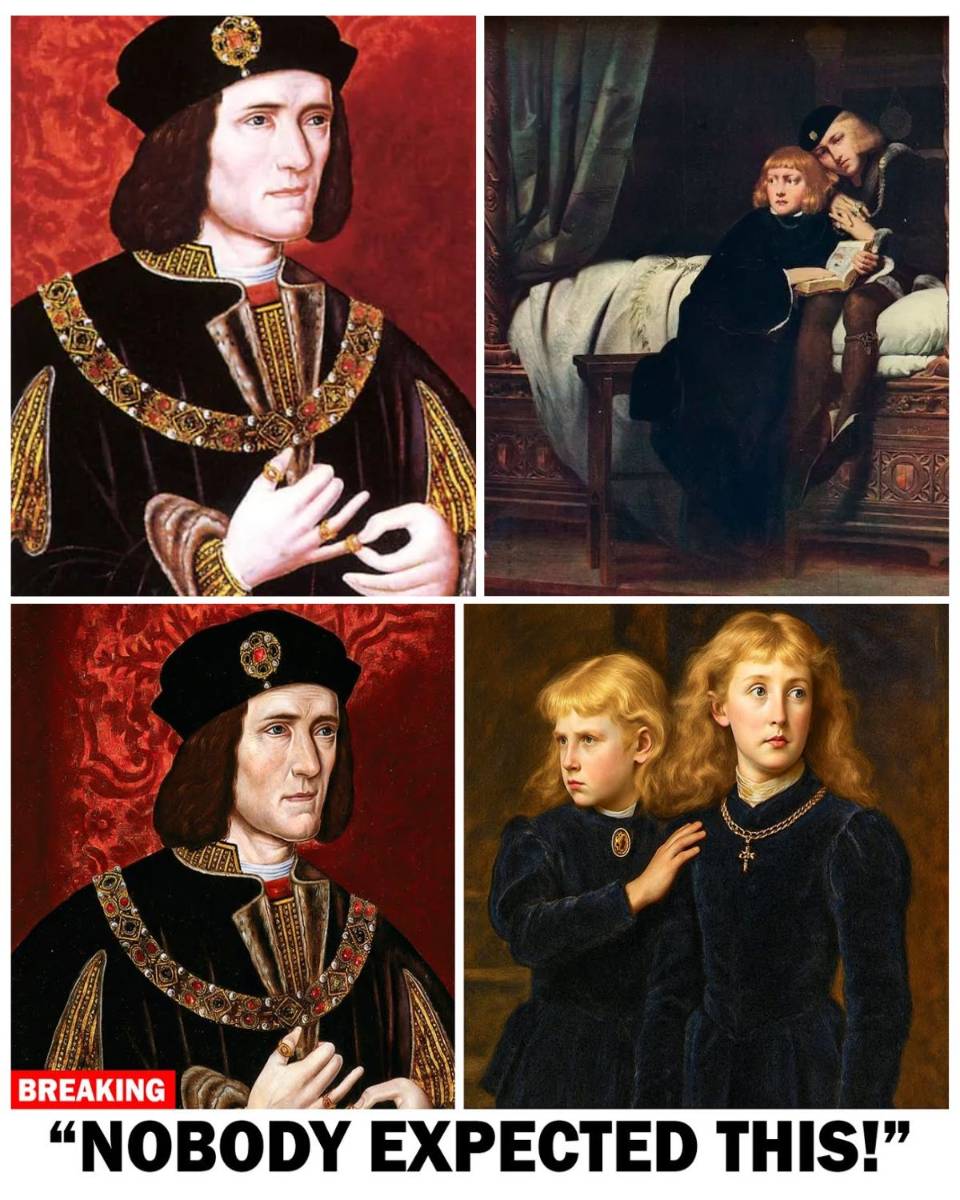
A bombshell revelation has shattered the long-held narrative of King Richard III as the murderer of the Princes in the Tower. Fresh evidence from European archives suggests the boys escaped and survived, thanks to a possible secret rescue by Richard himself. This discovery is rewriting English history, forcing a reevaluation of a 500-year-old enigma.
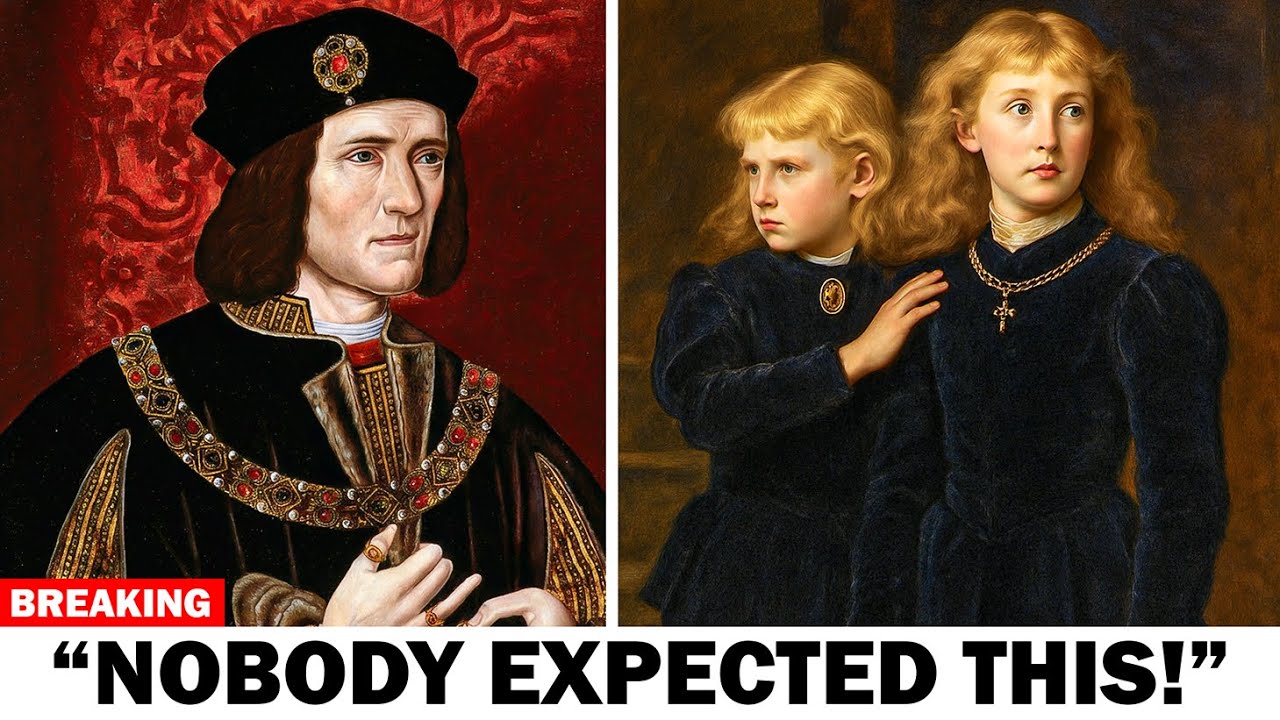 The Princes in the Tower—Edward V and his brother Richard of Shrewsbury—vanished in 1483 amid political turmoil. Their uncle, Richard III, seized the throne, sparking centuries of suspicion that he ordered their deaths to secure power. Chroniclers painted him as a villain, a portrayal cemented by Tudor propaganda and Shakespeare’s plays.
Yet, no concrete proof ever emerged. Historian Philippa Langley, famed for locating Richard III’s remains, led a new investigation called the Missing Princes Project. With over 300 volunteers scouring European records, she unearthed documents that challenge the accepted story, suggesting the princes lived on after their disappearance.
One key find is a 1487 receipt from Lille, France, mentioning “the son of King Edward“ receiving weapons. Langley argues this refers to Edward V, indicating he survived and fled abroad, possibly with foreign support. This ties into rebellions like Lambert Simnel’s, hinting at a living claimant to the throne.
Another breakthrough came from Gelderland’s archives: a firsthand account purportedly by the younger prince, Richard of Shrewsbury. It details his escape from the Tower, aided by loyalists, and his journeys across Europe. If authentic, it links to Perkin Warbeck, the 1490s pretender, suggesting he was the real duke.

European courts yield more clues. An Austrian record describes a man claiming to be Richard of Shrewsbury meeting Emperor Maximilian I, identifying personal marks to prove his identity. A Dresden contract from 1493 shows this figure negotiating for military aid, using a seal with English arms, as if he were royalty.
Back in England, a 1516 will discovered in the National Archives adds intrigue. It mentions a chain once belonging to Edward V, held by associates of Sir James Tyrell, accused of the murders. This implies contact with the living prince, not his demise, potentially exonerating Richard III.
Critics remain skeptical, labeling these findings as circumstantial or forged. They argue documents could be propaganda from Yorkist supporters. While experts debate the evidence, Langley’s work has reignited global interest, compelling historians to revisit the mystery with fresh eyes.

This urgent revelation not only questions Richard III’s guilt but also exposes flaws in Tudor-era narratives. As the academic community scrambles to verify these claims, the truth about the princes hangs in the balance, promising to reshape our understanding of medieval England.
The implications extend beyond history books. If the princes survived, it undermines the legitimacy of subsequent monarchs and alters perceptions of Richard III as a scapegoat. Public fascination is at a fever pitch, with documentaries and debates flooding media outlets worldwide.
Langley’s discoveries, detailed in her recent book and film, assemble a compelling case for innocence. Yet, the absence of definitive proof keeps the door open for doubt. Historians urge caution, emphasizing that history often blurs fact with legend.

In this fast-paced unraveling of secrets, one thing is clear: the Princes in the Tower mystery is far from solved. New evidence continues to emerge, keeping the story alive and urging a deeper dive into the past. The world watches as centuries of accusation face their greatest challenge yet.
This breaking news marks a pivotal moment in historical inquiry. Richard III, long vilified, may emerge as a protector rather than a killer. As scholars pore over the archives, the quest for truth accelerates, captivating audiences and redefining legacy in the process.
The debate rages on, with implications for modern views of justice and power. Could this exonerate a maligned king? Only time and further investigation will tell, but the urgency of this revelation demands immediate attention from all corners of the globe.