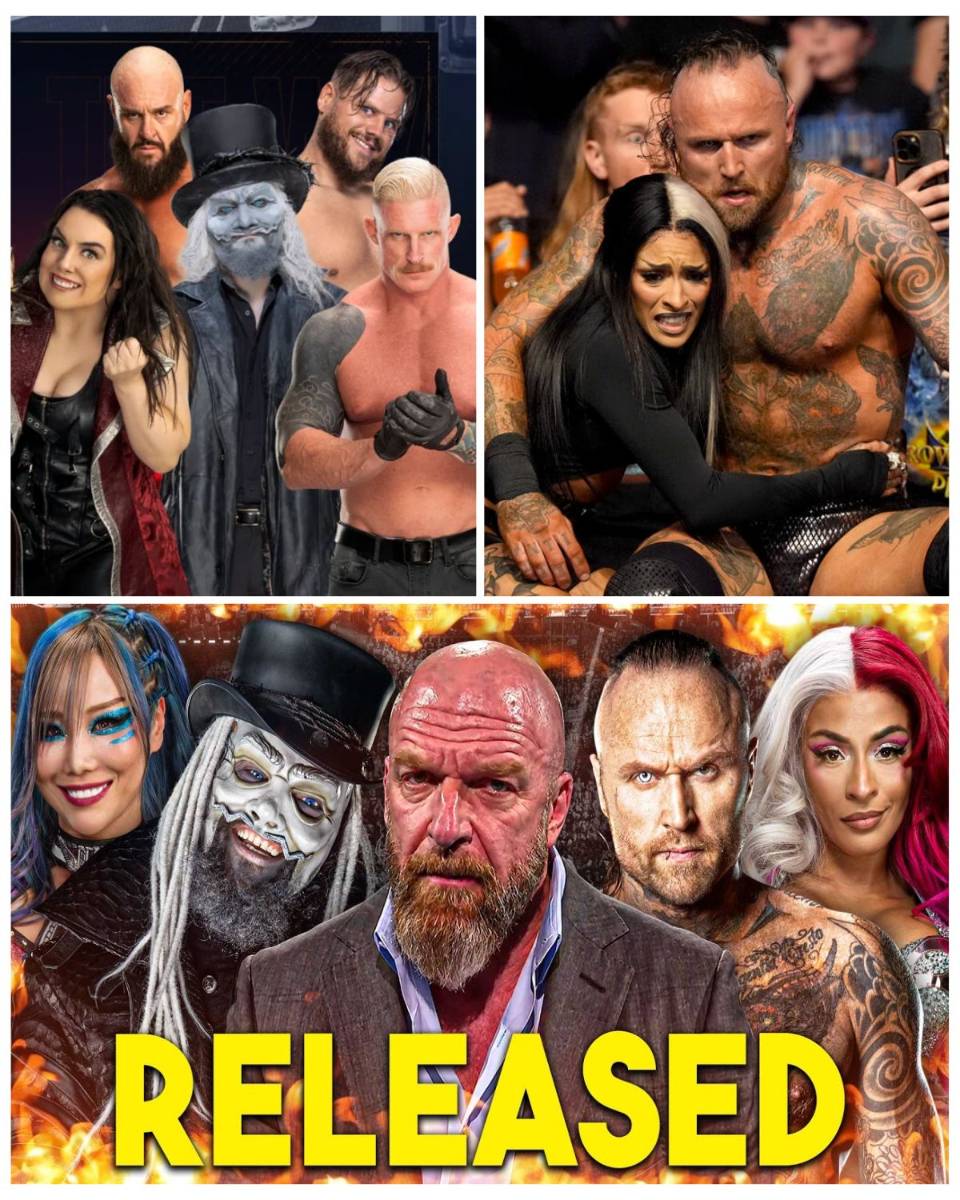
In an explosive development, WWE has fired 23 superstars, from Aleister Black to the Wyatt 6 faction, in a massive post-WrestleMania purge that has stunned the wrestling world. Reports cite internal roster evaluations and creative dead-ends as the driving forces, igniting widespread fan backlash and immediate questions about leadership and the company’s future direction.
 The shockwaves from WWE’s latest mass releases are rippling through the industry, with at least 23 talents cut across Raw, SmackDown, NXT, and developmental rosters. High-profile names like Aleister Black, Zelina Vega, and the entire Wyatt 6 group—including Bo Dallas, Nikki Cross, and Eric Rowan—were abruptly let go. This purge comes just weeks after WrestleMania 42, a time when WWE typically reassesses its lineup, but the scale of these firings feels unprecedented.
Fans are reeling from the sudden departures, which also include Santos Escobar, Apollo Crews, and the Motor City Machine Guns. Internal sources suggest this “spring cleaning“ aims to make room for emerging stars like Ethan Page, amid whispers of budget constraints tied to TKO Group Holdings. Yet, the real reasons behind these cuts point to deeper issues within WWE’s creative process.
According to reports from Fightful Select and PW Insider, many releases stem from talents being “benched“ for months, with storylines fizzling out due to inconsistent booking. The Wyatt 6, for instance, lost momentum post-WrestleMania, leaving the faction adrift and ultimately expendable. This pattern of building hype only to abandon it has become a troubling norm, frustrating both performers and audiences.
Adding to the urgency, some cuts may not be traditional releases but expired contracts, such as those for Karrion Kross and the Motor City Machine Guns. For main roster stars, a 90-day non-compete clause kicks in, keeping them sidelined until late July. NXT talents face shorter waits, potentially hitting the free-agent market by late May, fueling speculation about where they’ll land next.

The fallout is exposing WWE’s structural flaws, with fans voicing outrage online over the mishandling of beloved characters. Aleister Black, who had teased major pushes against stars like Randy Orton, saw his potential squandered through erratic storylines. Similarly, Zelina Vega and Karrion Kross were deep in active plots when pulled, disrupting continuity and weakening divisions.
WWE’s decision-making process is under scrutiny, with wrestling insider Dave Meltzer clarifying that TKO sets financial guidelines but doesn’t dictate cuts. Instead, Triple H and creative teams bear the responsibility, raising questions about oversight amid TKO’s reported strong earnings. This disconnect highlights a company prioritizing numbers over narrative.
In the midst of this chaos, the releases of Santos Escobar, who’s recovering from surgery, add a layer of heartbreak. His promising run was cut short, echoing complaints from fans that WWE builds stars only to discard them. The backlash is fierce, with social media ablaze over perceived betrayals, especially regarding Bray Wyatt’s legacy through the Wyatt 6.

Beyond the firings, WWE’s broader landscape is shifting. SmackDown’s impending return to a two-hour format in August is forcing roster trims, but at what cost? Talents like the Motor City Machine Guns, who brought fresh energy, were released without a clear path forward, underscoring the instability plaguing the promotion.
This wave of changes comes as other wrestling news brews. Lucha Underground has teased a possible return for the first time since 2019, exciting fans with cryptic posts that hint at a revival. Meanwhile, CM Punk faced no disciplinary action from WWE over a fan altercation during WrestleMania weekend, though the incident keeps tongues wagging.
Back to the core story, the Wyatt 6’s release feels particularly poignant. Aired in a confusing video package on SmackDown that only live crowds saw, it symbolized the disarray behind the scenes. Fans are left wondering how such a high-profile group could be built up and then dismantled so hastily.

WWE’s actions are prompting a reevaluation of its priorities. With TKO pushing for financial efficiency, creative teams must navigate tighter budgets, but at the expense of storytelling. The result? A cycle of hype and disappointment that erodes trust and drives talent away.
As the dust settles, the wrestling community braces for aftershocks. Will these releases spark a talent exodus to rivals like AEW? The immediate impact is clear: WWE’s fanbase is demanding answers, and the company’s next moves could define its era under Triple H’s leadership.
In this fast-evolving saga, one thing is certain—the mass firings of 23 superstars mark a pivotal moment for WWE, testing its ability to adapt and innovate. Stakeholders from performers to viewers are watching closely, hoping for a turnaround that restores the magic to the ring. The road ahead promises more 𝒹𝓇𝒶𝓂𝒶, but for now, the fallout lingers like a championship match gone awry.