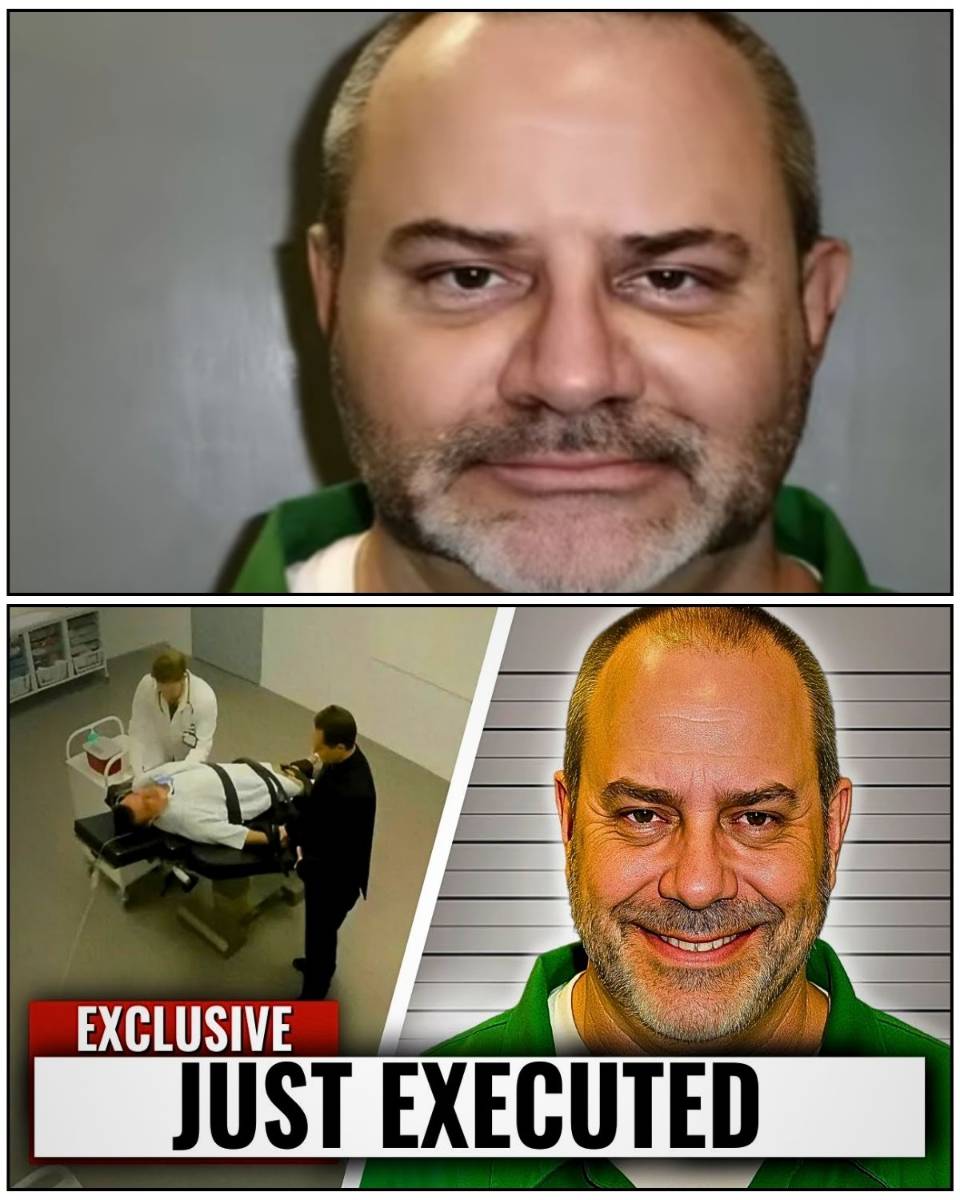
Breaking news from South Carolina: Stephen Stanko, 57, was executed by lethal injection on June 13, 2025, for his brutal double murders. He delivered final words of remorse and enjoyed a last meal before his end at Broad River Correctional Institution, marking a grim conclusion to a life of escalating violence.
 In a stark reminder of justice’s long arm, Stanko’s journey to the death chamber began years earlier. Born on January 13, 1968, at Guantanamo Bay, Cuba, he had a history of crime that predated his infamous killings. Convicted in 1996 for 𝒶𝓈𝓈𝒶𝓊𝓁𝓉 and kidnapping, he served over eight years in prison. There, he co-authored a book about life behind bars, portraying himself as an introspective inmate.
Yet, his release in 2004 led to a deceptive facade of normalcy. Settling in Myrtle Beach, he rented a room and later moved in with a librarian, Laura Ling, and her daughter. Stanko frequented the local library, researching another book while building relationships that would turn tragic. His past as a felon complicated job prospects, fueling his frustrations.
The horror unfolded in the early hours in Murrells Inlet. Stanko murdered Laura Ling and viciously attacked her 15-year-old daughter, Christina, who miraculously survived to testify against him. That same day, he drove to Conway and killed 74-year-old Henry Lee Turner, a retired Air Force veteran, under false pretenses.

After the slayings, Stanko fled, stealing Turner’s car and draining his bank account. He hid in Augusta, Georgia, posing as a prosperous businessman. His evasion ended abruptly on April 12 when a churchgoer recognized him from news reports and alerted authorities, leading to a swift arrest by U.S. Marshals.
Trials in 2006 and 2009 sealed his fate, with prosecutors arguing his actions stemmed from inherent evil, not just a brain condition his defense claimed. Despite appeals citing a personality disorder, he was sentenced to death twice. The U.S. Supreme Court rejected his final appeal in May 2025, paving the way for execution.

Facing his end, Stanko chose lethal injection over the electric chair or firing squad, fearing prolonged suffering based on prior state executions. His lawyers’ last-ditch efforts to halt the process failed, as a federal judge found no evidence of undue pain. South Carolina’s history showed no gubernatorial clemency.
For his final meal, Stanko selected a simple hamburger and ice cream, a modest request within his $20 allowance. In his 3.5-minute statement, he apologized to the victims’ families, urging not to define him by his worst acts. “I am truly sorry for the pain I caused,“ he said, his voice steady.

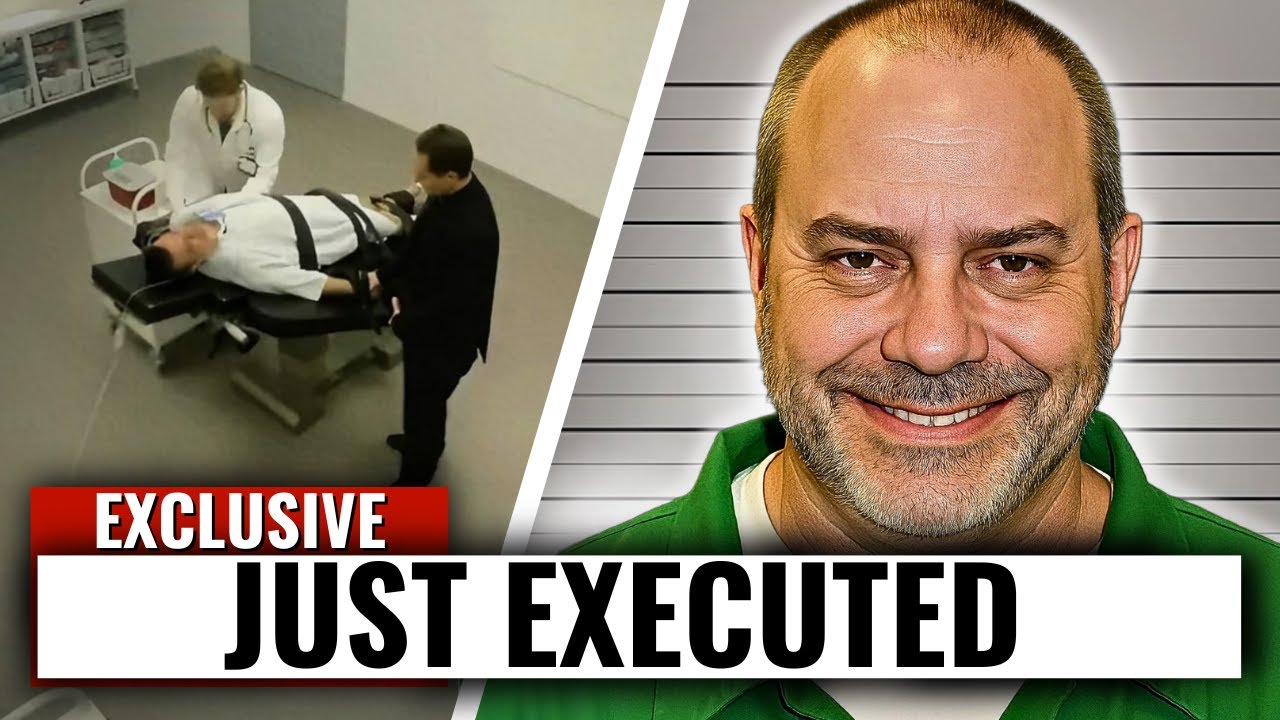
The execution proceeded at 6:00 p.m. in the sterile chamber, where Stanko was strapped to a gurney. Witnesses watched as the sedative pentobarbital was administered, inducing unconsciousness in under two minutes. Official reports described the process as quick and silent, ending his life without further 𝒹𝓇𝒶𝓂𝒶.
Outside the prison, a mix of protesters and victims’ relatives gathered. Anti-death penalty advocates decried the event, while Henry Turner’s son expressed relief, calling it long-overdue justice. Stanko’s case highlighted the complexities of rehabilitation and the death penalty’s role in society.
This execution underscores the dark path from model citizen to murderer, leaving a community to grapple with loss and accountability. As the nation reflects on this event, questions linger about redemption and the ultimate price of crime. Stanko’s story serves as a chilling cautionary tale in America’s justice system.