Archaeological analysis of the sacred rock enshrined beneath Jerusalem’s iconic Dome of the Rock has revealed what experts are calling the most definitive physical evidence yet for the precise location of the Biblical Jewish Temples. The findings, drawn from detailed architectural and geological studies of the site venerated by Jews as the Temple Mount and by Muslims as the Haram al-Sharif, directly challenge long-standing historical debates and carry immense religious and political significance.
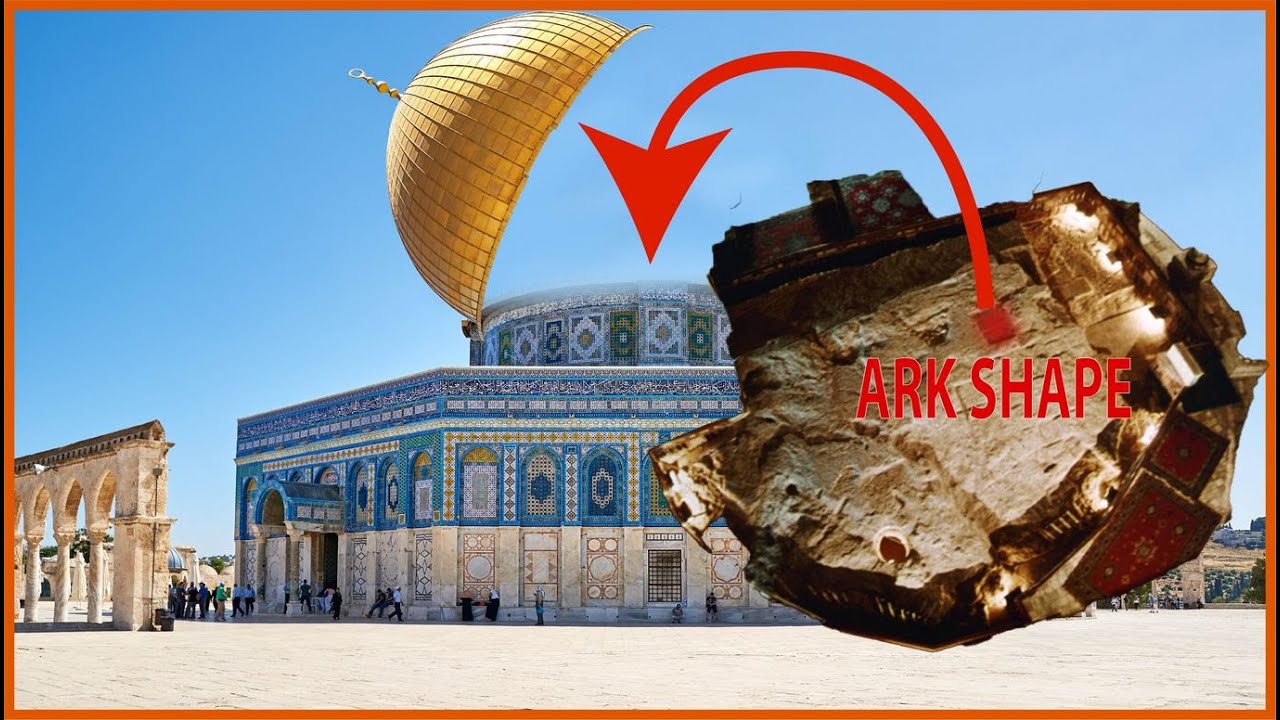
The focus of the discovery is a specific rectangular depression cut into the bedrock at the summit of Mount Moriah, over which the golden-domed Islamic shrine was constructed in 691 CE. Senior archaeological architect Leen Ritmeyer, whose work forms the basis of this report, identifies this cut as the foundational emplacement for the Ark of the Covenant within the Holy of Holies, the innermost sanctum of both Solomon’s and Herod’s Temples.
“This is not merely a natural formation,” a source close to the analysis stated. “The dimensions and precise craftsmanship of the depression align with historical descriptions of the Ark. Its location is the keystone for reconstructing the entire Temple complex.” The depression measures approximately 2.5 by 2 cubits, slightly wider than the Biblical description of the Ark itself, a discrepancy scholars suggest accommodated the Deuteronomy scroll placed beside it, preventing the sacred text from falling.
Further examination of the rock surface reveals critical archaeological features previously documented but now conclusively interpreted. Clear foundation trenches and scarp cuts on the rock’s southern, western, and northern edges delineate exactly where the First Temple’s walls were erected by King Solomon. This topographical data allows researchers to plot the entire Temple layout, including the altar’s position, which tradition holds sits upon the very threshing floor of Araunah the Jebusite purchased by King David.

The research meticulously traces the continuity of the site’s sanctity across three Abrahamic faiths. The same rock is identified as the summit of Mount Moriah, the Biblical location where Abraham prepared to sacrifice his son Isaac. Centuries later, Solomon constructed the First Temple to house the Ark on this exact site. Following the Roman destruction of the Second Temple in 70 CE, the Umayyad Caliph Abd al-Malik commissioned the Dome of the Rock to enshrine the rock, from which Islamic tradition holds the Prophet Muhammad ascended to heaven.
The physical condition of the rock itself provides a stark timeline of its history. Analysis indicates significant damage and a reduction in the rock’s size occurred during the Crusader period when it served as the foundation for a Christian altar. Historical accounts note that Crusaders chipped away pieces of the stone to be sold as relics abroad. The current marble cladding surrounding its base was installed in later Muslim periods to protect and beautify the weathered stone.
These findings directly counter alternative theories that place the Jewish Temples in separate locations, such as the City of David to the south. The evidence on the rock itself, argue proponents of this analysis, provides an immutable, non-moveable datum point. “The mountain top is fixed,” the source emphasized. “You cannot argue the bedrock has moved. The architectural cuttings are permanent testimony to what was built upon it.”

The political and religious implications of this analysis are instantaneous and profound. The Temple Mount/Haram al-Sharif is the most volatile piece of real estate on earth, a core issue in the Israeli-Palestinian conflict. Any assertion solidifying Jewish historical claims to the precise spot is incendiary. Muslim authorities, who have administered the site for centuries, consistently deny that any Jewish Temple existed there, viewing such claims as a precursor to attempts to destroy Islamic holy sites.
International archaeologists and historians are expected to scrutinize the data intensely. While Ritmeyer’s work is respected in certain academic circles, the field of Temple Mount archaeology is fiercely contested due to the impossibility of conducting traditional excavations at the actively worshipped site. Conclusions are drawn from surface surveys, historical texts, and the study of accessible architectural details.
The management of this information presents an immediate challenge for regional stability. Israeli authorities are likely to treat the analysis as a powerful validation of national heritage, while Palestinian and broader Muslim leadership will view it as a severe provocation. The potential for unrest is high, as the site’s status quo is fiercely guarded.
This discovery beneath the Dome of the Rock does not merely illuminate ancient history; it throws a blazing light onto the fault lines of the present. It provides a tangible, geological argument in a conflict often fought over narratives, potentially reshaping one of the world’s most enduring and dangerous disputes. The rock has always been there, but its newly emphasized secrets are poised to send shockwaves far beyond its golden dome.
Source: YouTube