A surge of conversions to Christianity is being reported within the Gaza Strip and across the broader Muslim world, driven by what witnesses describe as direct, miraculous appearances of Jesus Christ in dreams. These extraordinary accounts, emerging from one of the world’s most entrenched conflict zones and from within strictly Islamic nations, are being cited by ministry leaders as a profound spiritual awakening and a fulfillment of biblical prophecy.
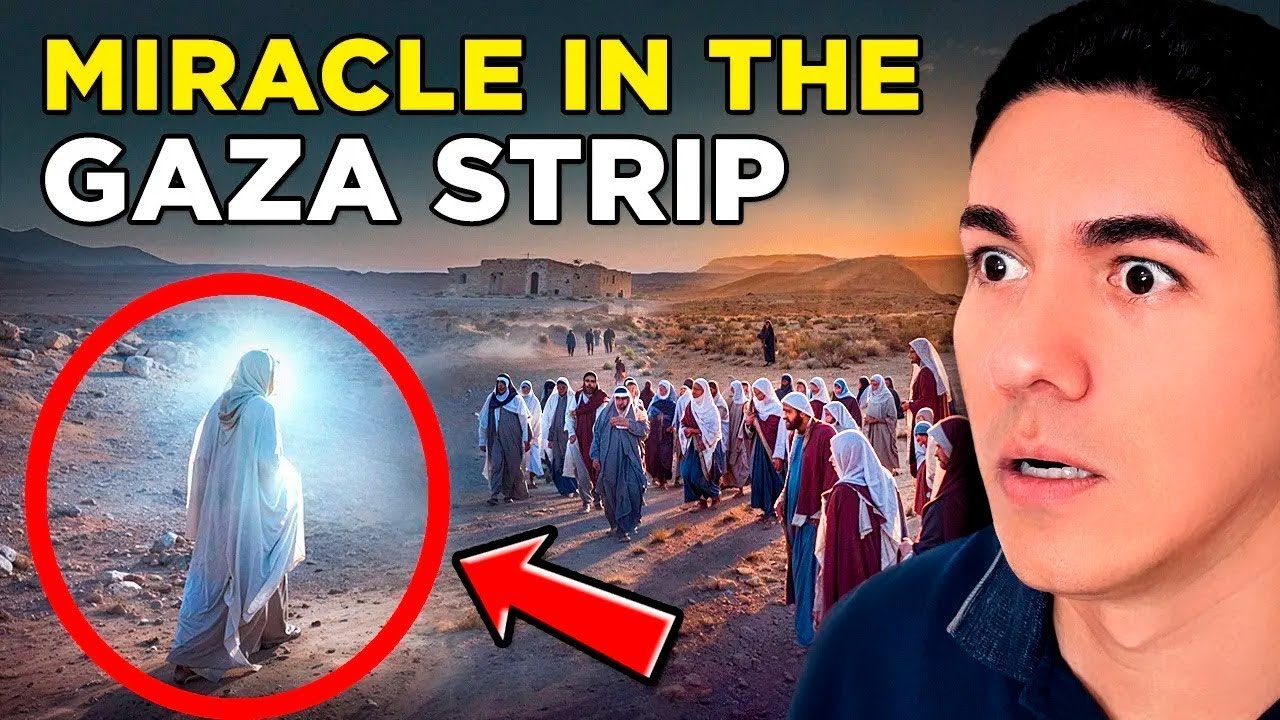
The reports center on personal testimonies from former Muslims who state that encounters with Christ in their sleep led them to abandon Islam. This phenomenon, documented by several Christian ministries operating in high-risk areas, suggests a movement unfolding outside traditional missionary work. Experts note that in regions where conversion can mean death, divine revelation through dreams may be the only accessible path.
One focal point is the testimony of Pastor Michael Lona, president of the Rise Jesus ministry and a theology professor. He reported that on November 10, 2023, during a humanitarian aid mission in Gaza, more than 200 Muslims experienced dreams of Jesus on the same night. “The next morning they all came back to us to tell what had happened,” Lona stated, adding that they then sought to learn more about following Christ.
This event occurred amidst the ongoing Israel-Hamas war, a period of intense suffering for Palestinians. Christian groups providing aid reportedly shared biblical messages of hope before the dreams occurred. The simultaneous nature of the visions among a large group has been characterized by witnesses as a “great miracle” directly orchestrated by God within a warzone.
Parallel narratives are emerging from Iran, one of the world’s most restrictive nations for religious minorities. Pastor Lazarus Yeghnazar, founder of Transform Iran, which supports underground churches, recently stated that “dozens of Muslims in Iran are encountering Christ through dreams.” He noted the dreams are so vivid and impactful that Iranians “cannot stop talking about them.”

Yeghnazar’s ministry claims that since 1991, over 100,000 Muslims have converted to Christianity, with more than 90% of those he meets citing a decisive dream encounter with Jesus as the catalyst. These converts often describe a figure in a white robe, bearing a cross, who identifies himself as “Jesus.” The aftermath of such dreams frequently leads to severe persecution, including risk of imprisonment or execution.
Individual conversion stories further underscore the pattern. Former Islamic extremist Kareem Malakili, raised for jihad, described a series of recurring dreams in which Jesus rescued him from attackers and commanded him to follow. “He looked deep into my eyes and said, ‘Did I not tell you? Did I not say that it’s your time to follow me?’” Malakili recounted. He was subsequently baptized and now evangelizes to other Muslims.
Analysts of religious movements point to two key factors enabling this trend. First, in many Muslim-majority countries, open preaching of Christianity is forbidden and conversion is punishable by law, making conventional evangelism extremely dangerous. Second, Islamic tradition places high theological value on dreams as a means of divine communication, making such experiences culturally credible.
“Muslims believe that God speaks to them while they sleep because there is no worldly interference,” explained one ministry leader familiar with the testimonies. “This opens a channel that they inherently trust, making appearances of Jesus in dreams a uniquely powerful form of revelation within that cultural context.”
The scale of these reports is leading some Christian theologians to connect them to the prophecy of Matthew 24:14, which states the gospel will be preached to all nations before the end. They argue that divine dreams represent a method for reaching populations otherwise inaccessible due to political and religious persecution, suggesting a prelude to Christ’s return.

Human rights organizations are expressing grave concern for the safety of these new converts. In nations like Iran and Afghanistan, and in territories controlled by groups like Hamas, abandoning Islam is considered apostasy, a crime often met with violence, social ostracization, and state-sanctioned execution. The very dreams bringing spiritual hope also place converts in immediate mortal danger.
Underground church networks are mobilizing to support these individuals, providing secret discipleship, digital resources, and, when possible, assistance to flee. Ministries like Open Doors work to channel international support to these clandestine operations, where financial contributions can fund safe houses and biblical training.
The geopolitical implications are complex, particularly in Gaza. The reported events add a new dimension to the deeply fractured religious landscape of the Israeli-Palestinian conflict. While some view it as a purely spiritual matter, others worry it could inflame tensions further if Islamic authorities perceive it as a targeted campaign of proselytization.
Skeptics urge caution, noting the difficulty of independently verifying such claims in closed regions. They suggest that while individual experiences may be genuine, the broader narrative could be amplified by evangelical ministries for theological and fundraising purposes. However, the consistency of testimonies across different countries and years is compelling to many researchers.
For believers, these accounts represent a historic move of God. “They, too, were created by God,” one pastor emphasized, urging Christians to overcome viewing Muslims as enemies. “Just as you and I were spiritually blind one day, they can have their eyes opened to the truth and be set free by Jesus.”
The call to action from ministries involved is twofold: urgent prayer for protection and revelation for Muslims, and practical support for frontline workers. “These missionaries have sacrificed much in their lives to proclaim the Gospel,” a spokesperson stated, highlighting the physical risks they face daily from religious extremists.
As war continues to ravage Gaza and repression persists in Iran, these spiritual reports offer a startling counter-narrative of hope and transformation. Whether seen as a miraculous awakening or a controversial development, the phenomenon of Muslims converting after dreaming of Jesus is gaining undeniable traction, challenging religious boundaries and geopolitical realities alike. The long-term consequences for interfaith relations and regional stability remain to be seen.
Source: YouTube