In a harrowing case that has haunted Texas for decades, Carlos Deluna was executed on December 7, 1989, for the murder of Wanda Lopez, a crime he always claimed he did not commit. His final hours were marked by a desperate insistence on his innocence, raising profound questions about justice and wrongful conviction.

Deluna’s story began on the fateful night of February 4, 1983, when 24-year-old Wanda Lopez was brutally attacked at a gas station in Corpus Christi. Despite her frantic 911 call, police response was delayed, leading to her tragic death from multiple stab wounds. The investigation quickly turned to Deluna, who was found hiding nearby, disoriented and without any evidence linking him to the crime.
Witness accounts and police assumptions propelled Deluna into the spotlight as the primary suspect. Eyewitness Kevin Baker identified him under questionable circumstances, influenced by police pressure. However, inconsistencies between Baker’s description of the attacker and Deluna’s appearance raised serious doubts about the reliability of the identification.
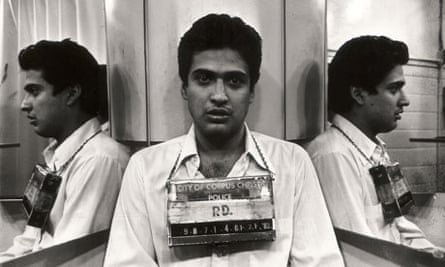
Throughout his trial, the prosecution built a narrative based on circumstantial evidence, ignoring Deluna’s claims of innocence and the existence of another suspect, Carlos Hernandez. Despite the absence of physical evidence—no blood, no weapon—Deluna was convicted and sentenced to death, a decision that would later be scrutinized for its lack of certainty.
As Deluna languished on death row, he maintained that he was innocent, repeatedly asserting that Hernandez was the real killer. His appeals were dismissed, and the system seemed deaf to his pleas. The media largely ignored his case, leaving him isolated in his fight against an impending execution.
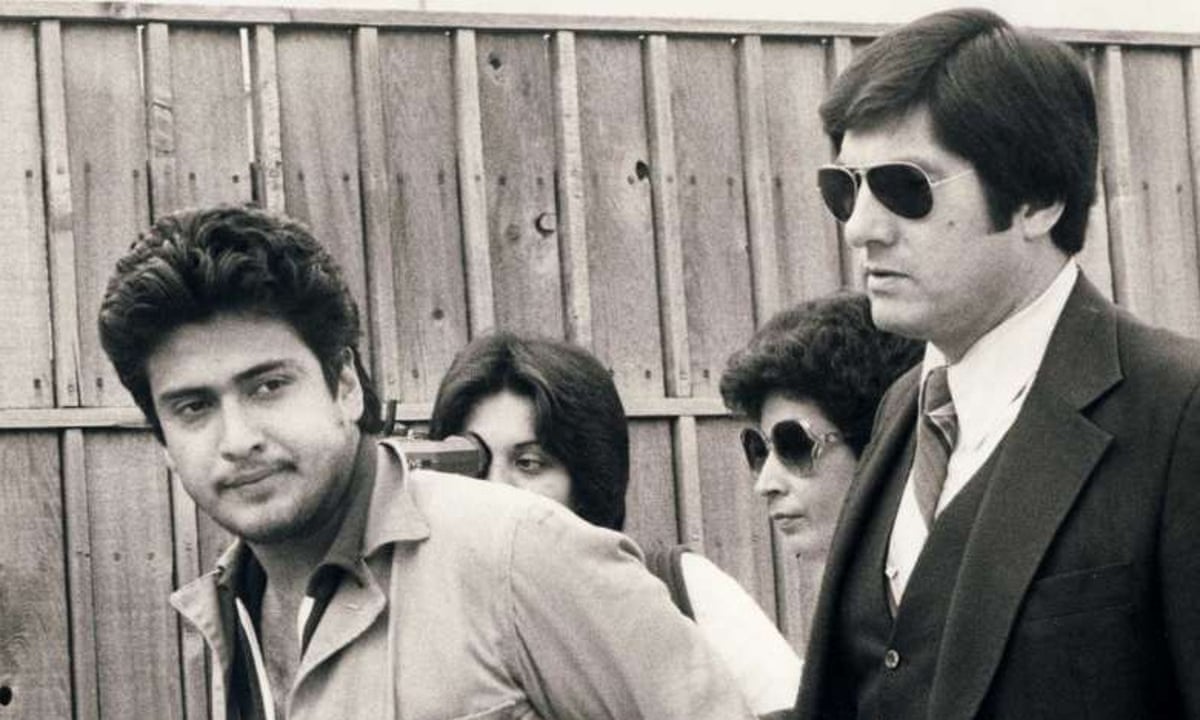
In his final hours, Deluna remained resolute, insisting on his innocence as he prepared for execution. His last meal consisted of fried chicken and a hamburger, a stark contrast to the gravity of the moment. He was escorted to the execution chamber, where he delivered a final statement, reiterating his claims and expressing his belief that the wrong man was about to be executed.
As the lethal injection began, witnesses observed in silence, marking the tragic end of a life defined by struggle and a controversial conviction. Deluna’s execution raises critical questions about the reliability of eyewitness testimony, police conduct, and the justice system’s ability to protect the innocent.
The case of Carlos Deluna remains a chilling reminder of the potential for wrongful convictions and the irreversible consequences of a flawed justice system. As the debate continues, many are left wondering: Did Texas execute an innocent man?