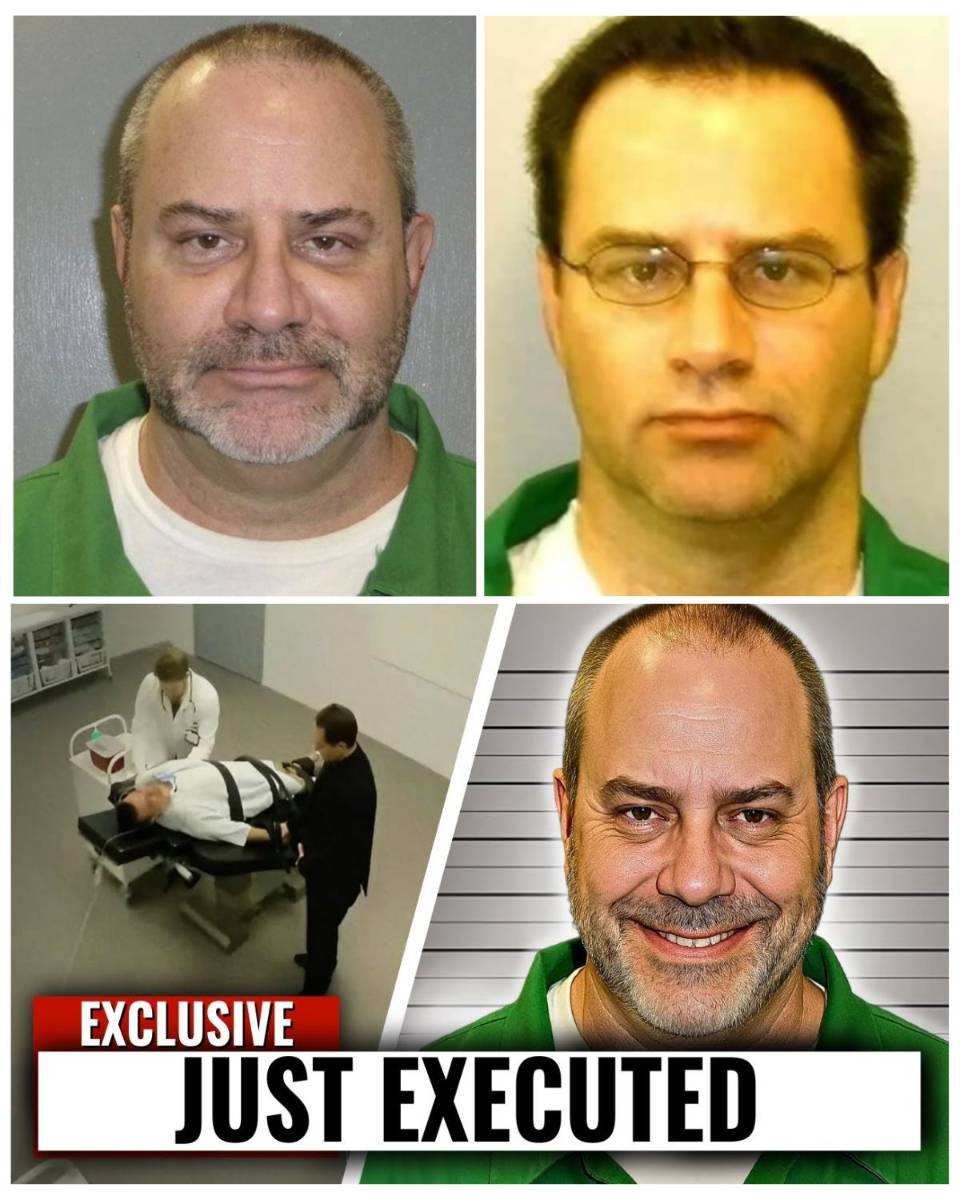
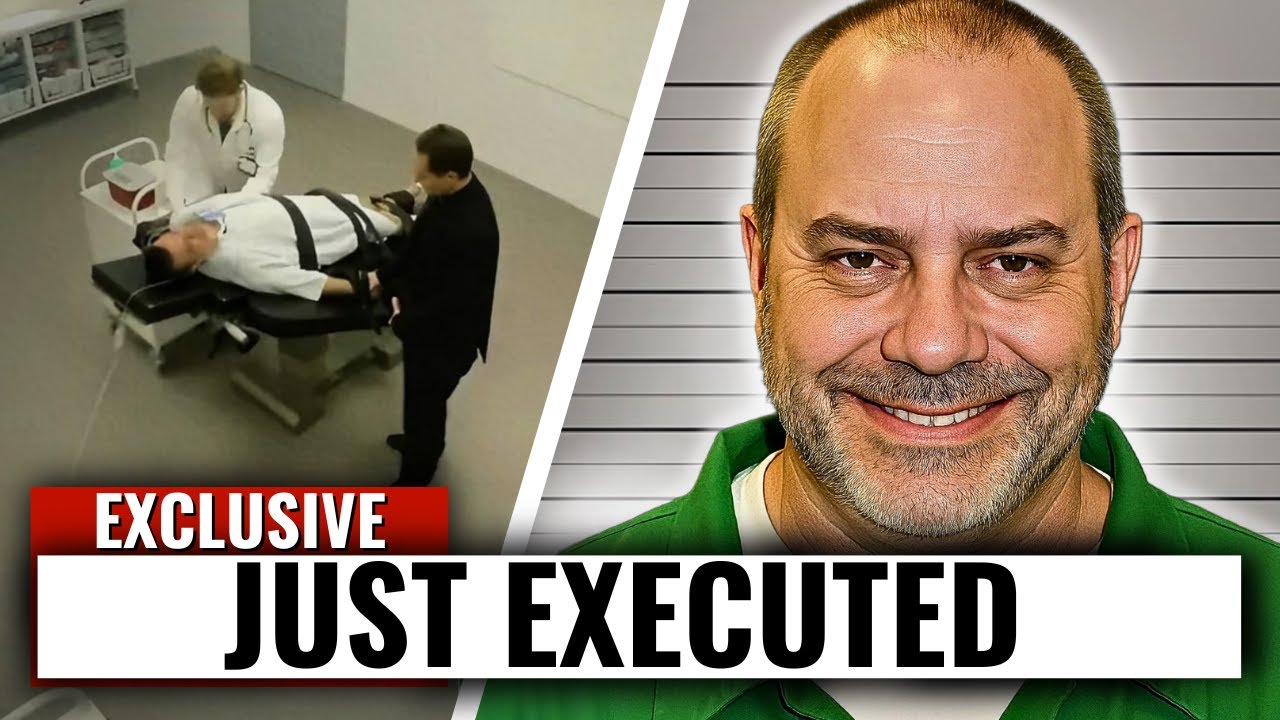
In a chilling climax to a decades-long saga of violence, Stephen Stanko, 57, was executed by lethal injection at Broad River Correctional Institution in South Carolina on June 13, 2025. Convicted for the brutal murders of two victims, his final hours included a remorseful statement and a simple last meal, delivering long-awaited justice amid nationwide scrutiny.
 Stanko’s descent into infamy began far from the execution chamber, tracing back to his birth on January 13, 1968, at Guantanamo Bay, Cuba. Once seen as an intelligent man, he co-authored a book about prison life after serving time for 𝒶𝓈𝓈𝒶𝓊𝓁𝓉 and kidnapping in the 1990s. Released in 2004, he tried to rebuild in Myrtle Beach, but his past shadowed him, leading to job struggles and eventual relocation.
His life unraveled in a horrific spree that shocked South Carolina. In the early hours in Murrells Inlet, Stanko killed his girlfriend, Laura Ling, and viciously attacked her 15-year-old daughter, Christina, who miraculously survived to testify against him. That same day, he drove to Conway and murdered 74-year-old Henry Lee Turner, a retired Air Force veteran, under false pretenses.
Fleeing the scene, Stanko stole Turner’s car, drained his bank account, and hid in Georgia, posing as a successful businessman. His ruse collapsed when a woman recognized him from news reports and tipped off authorities, leading to his arrest on April 12th by U.S. Marshals after a tense manhunt across state lines.
Tried separately in 2006 and 2009, Stanko’s defense claimed a brain condition and personality disorder fueled his actions, but prosecutors dismissed it as an excuse for pure evil. In court, the lead prosecutor branded him a man who reveled in harm, sealing his fate with death sentences in both cases.
His appeals dragged on for years, culminating in a final rejection by the U.S. Supreme Court in May 2025, paving the way for execution. Under South Carolina law, inmates choose their method, and Stanko initially eyed the firing squad before opting for lethal injection due to reports of prolonged suffering in past cases.
In his last hours, Stanko selected a modest final meal: a hamburger and ice cream, a stark contrast to the brutality of his crimes. As witnesses gathered, he delivered a 3.5-minute statement, apologizing to the victims’ families and pleading not to be defined by his worst acts, his voice steady yet laden with regret.
The execution proceeded swiftly at 6:00 p.m., with Stanko strapped to a gurney and administered pentobarbital, inducing unconsciousness in under two minutes. Official reports described the process as quick and silent, ending a chapter that had gripped the nation for nearly two decades.
 Outside the prison walls, protesters rallied against capital punishment, while relatives of the victims, like Henry Turner’s son, expressed relief that justice had finally been served after years of anguish and delay.
Stanko’s story serves as a stark reminder of how a life can spiral from redemption to ruin. Once a parolee seeking normalcy, his violent outburst left an indelible scar on communities, forcing a reckoning with the flaws in the justice system.
Experts note that cases like Stanko’s highlight ongoing debates about rehabilitation versus retribution, with his book on prison life ironically underscoring the very system that failed to reform him.
As the sun set on June 13, 2025, the execution not only closed the book on Stanko’s crimes but also reignited discussions on the death penalty’s role in modern America, where mercy and vengeance collide.
In the aftermath, law enforcement officials praised the tireless efforts that brought Stanko to justice, emphasizing the importance of vigilance in tracking dangerous offenders.
Stanko’s victims, Laura Ling and Henry Lee Turner, were remembered by loved ones as kind souls cut down in senseless violence, their legacies now intertwined with this grim event.
The execution’s details, from the choice of lethal injection to the final words, underscore the human element in capital punishment, a process both clinical and profoundly emotional.

Authorities confirmed no last-minute interventions occurred, as governors in South Carolina have historically upheld such sentences, reflecting the state’s unyielding stance on severe crimes.
This breaking news event marks a pivotal moment in U.S. criminal justice, drawing attention to the ongoing evolution of execution methods and their ethical implications.
Stanko’s case, spanning from his early convictions to his final breath, illustrates the complex interplay of mental health, crime, and punishment in society today.
As media coverage intensifies, the public grapples with the execution’s broader ramifications, from victim support to the debate over life’s sanctity.
In South Carolina, this execution stands as a somber milestone, the latest in a series that continues to divide opinions across the nation.
Stanko’s final apology, though heartfelt, could not undo the pain he inflicted, leaving families to navigate the long road of healing.
 The urgency of this story lies in its immediacy, a real-time reminder of justice’s weight and the lives forever altered by one man’s choices.
Experts in criminology are already analyzing Stanko’s trajectory, seeking lessons to prevent future tragedies and improve rehabilitation programs.
This event’s ripple effects extend beyond the prison gates, influencing policy discussions on capital punishment’s future in America.
In the quiet aftermath, the nation pauses to reflect on the cost of vengeance and the hope for a safer tomorrow.
Stanko’s execution, while concluding his story, opens new chapters in the enduring fight for justice and reform.
As details emerge, the public demands transparency, ensuring that such events are handled with the utmost accountability.
This breaking report captures the raw essence of a society grappling with its darkest impulses and the quest for resolution.