Michael B. Bell is scheduled for execution in July 2025, ending a decades-long saga rooted in mistaken revenge and brutal violence. Bell’s conviction for the murders of Jimmy West and Tamecha Smith in Jacksonville, Florida, reverberates amid renewed scrutiny over alleged witness coercion and questions about the fairness of his trial and death sentence.

On December 9, 1993, Michael B. Bell opened fire outside a Jacksonville bar, unleashing 16 bullets that claimed two innocent lives. Jimmy West and Tamecha Smith were tragically 𝒄𝒂𝓊𝓰𝒉𝓉 in a deadly case of mistaken identity as Bell sought revenge for his brother’s killing. This violent act shocked the community and cast a painful shadow that has endured for over three decades.
Bell’s violent spree was fueled by a tragic backstory. His brother Lamar was fatally shot months earlier, igniting an intense rage that consumed Michael Bell. Haunted by a turbulent past, including horrific 𝓪𝓫𝓾𝓼𝓮 at the Doseier School for Boys, Bell’s life trajectory veered toward darkness with violent episodes predating the 1993 shooting.
The night of the murders, Bell armed himself with a high-powered AK-47, meticulously prepared with ammunition and a 30-round magazine. Mistaking Jimmy West’s yellow Plymouth for the car belonging to Theodore Wright, the man he blamed for his brother’s death, Bell ambushed the vehicle with ruthless precision, killing West and Smith instantly.
Bell’s rampage did not end with the two fatal shootings. After firing 12 rounds into West and four into Smith, he indiscriminately sprayed bullets into the nearby bar where dozens of patrons were waiting, narrowly missing more victims. Amid the chaos, a third woman survived by ducking for cover as Bell fled the scene.
Authorities swiftly responded with a thorough investigation. Witnesses provided crucial testimony placing Bell at the scene. His former girlfriend’s confession about Bell’s plan and weapon acquisition further cemented the case against him. Bell was captured in 1994 after a manhunt and subsequently brought to trial for the brutal murders.
In 1995, Bell was convicted of first-degree murder for both killings. The jury delivered a unanimous death penalty recommendation. Notably, Bell’s legal defense made controversial choices, including declining to present mitigating evidence related to his abusive history at Doseier School, raising questions about the adequacy of his representation.

New developments have reignited debate over Bell’s conviction. His legal team recently filed a 252-page postconviction petition alleging that two critical witnesses were coerced into giving false testimony. These witnesses now claim intimidation and promises of benefits influenced their statements, casting doubt on the integrity of the original trial.
A judge rejected the motion for a new trial, but the 𝒶𝓁𝓁𝑒𝑔𝒶𝓉𝒾𝓸𝓃𝓈 have deepened concerns about potential miscarriages of justice. Bell’s case thrusts uncomfortable questions onto the table: can a death sentence truly stand when key testimonies come under scrutiny, and what safeguards exist to prevent flawed convictions in capital cases?
The victims, Jimmy West and Tamecha Smith, were innocent bystanders 𝒄𝒂𝓊𝓰𝒉𝓉 in a merciless crossfire of revenge. Their families remain haunted by the senseless loss, emblematic of the profound cost of blind violence and mistaken identity. The Jacksonville community still grapples with the scars left by this devastating tragedy.

Bell’s scheduled execution in July 2025 will likely mark a pivotal moment in this long, contentious saga. It serves as a stark reminder of the complexities within the criminal justice system, revealing tensions between retribution, legal fairness, and the human stories behind headline-grabbing crimes.
This case raises critical issues about the death penalty’s application, particularly in light of unexamined psychological trauma and questionable trial procedures. Michael Bell’s history hints at how early 𝓪𝓫𝓾𝓼𝓮 and grief can intertwine with cycles of violence, challenging simplistic narratives of criminal culpability.
As Bell awaits his fate on Florida’s death row, broader societal questions demand answers. How can the system better protect against wrongful convictions? What measures ensure that justice is administered without bias or coercion? The echoes of this case compel urgent reflection on these vital concerns.
The haunting history of Dosier School 𝓪𝓫𝓾𝓼𝓮 remains a shadow over Bell’s trial and sentencing. His experiences there, allegedly ignored by his defense team, might have offered vital context and mitigation. This omission spotlights disparities in how trauma is weighed in capital punishment cases.
Michael B. Bell’s story is more than a criminal dossier—it’s a powerful narrative about loss, retribution, and the fraught quest for justice. As his execution date looms, it forces a reexamination of legal ethics, the death penalty, and society’s collective responsibility
to prevent such tragedies.
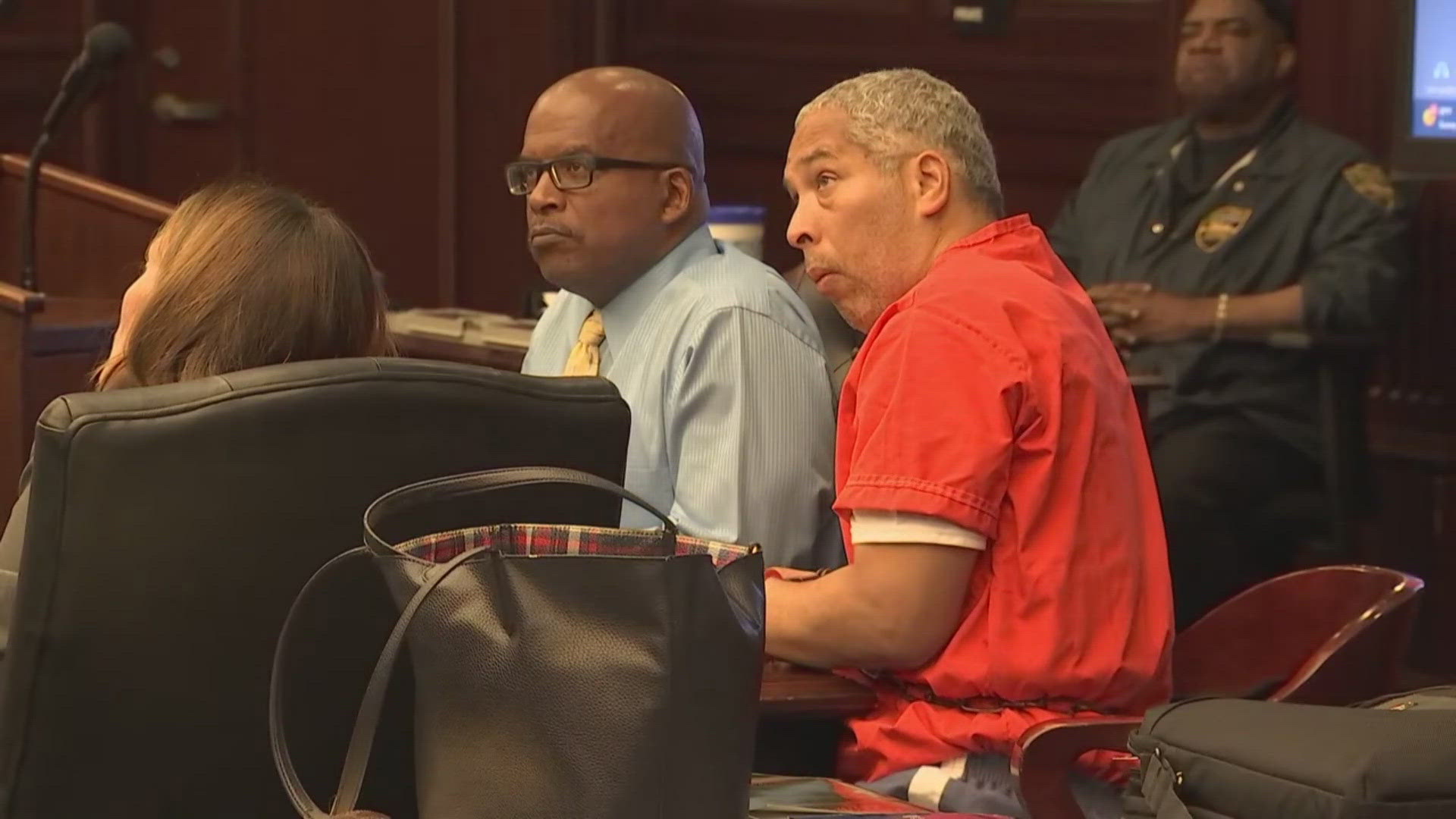
The families affected face an agonizing wait as legal battles continue to swirl. Though justice was served in the eyes of the law, unresolved questions linger about fairness and truth. The cost of justice, both emotional and societal, remains agonizingly high for all involved.
In the final reckoning, Michael B. Bell’s execution will not erase the pain, nor fully resolve the controversies surrounding his conviction. Instead, it will stand as a sobering chapter in America’s ongoing struggle with crime, punishment, and the human toll beneath the headlines.
The unfolding 𝒹𝓇𝒶𝓂𝒶 of Bell’s case presents crucial lessons. It underscores the necessity for vigilant legal safeguards, comprehensive mental health considerations, and transparent investigative processes to ensure justice serves both victims and society equitably.
As the clock ticks toward July 2025, all eyes turn to Florida’s justice system and the profound questions Bell’s case ignites. It remains a potent symbol of the delicate balance between punishment and humanity in one of the nation’s most contested arenas: capital punishment.
Michael B. Bell’s looming execution compels society to grapple with enduring ethical dilemmas and the painful legacy of violence. This tragic saga demands reflection on whether justice has truly been achieved or if more must be done to safeguard truth and fairness in the pursuit of accountability.