TERRE HAUTE, Ind. — Timothy McVeigh, the architect of the deadliest act of domestic terrorism in American history, was executed by lethal injection at a federal prison here early Monday morning, closing a grim chapter that began with the cataclysm of the Oklahoma City bombing six years ago.
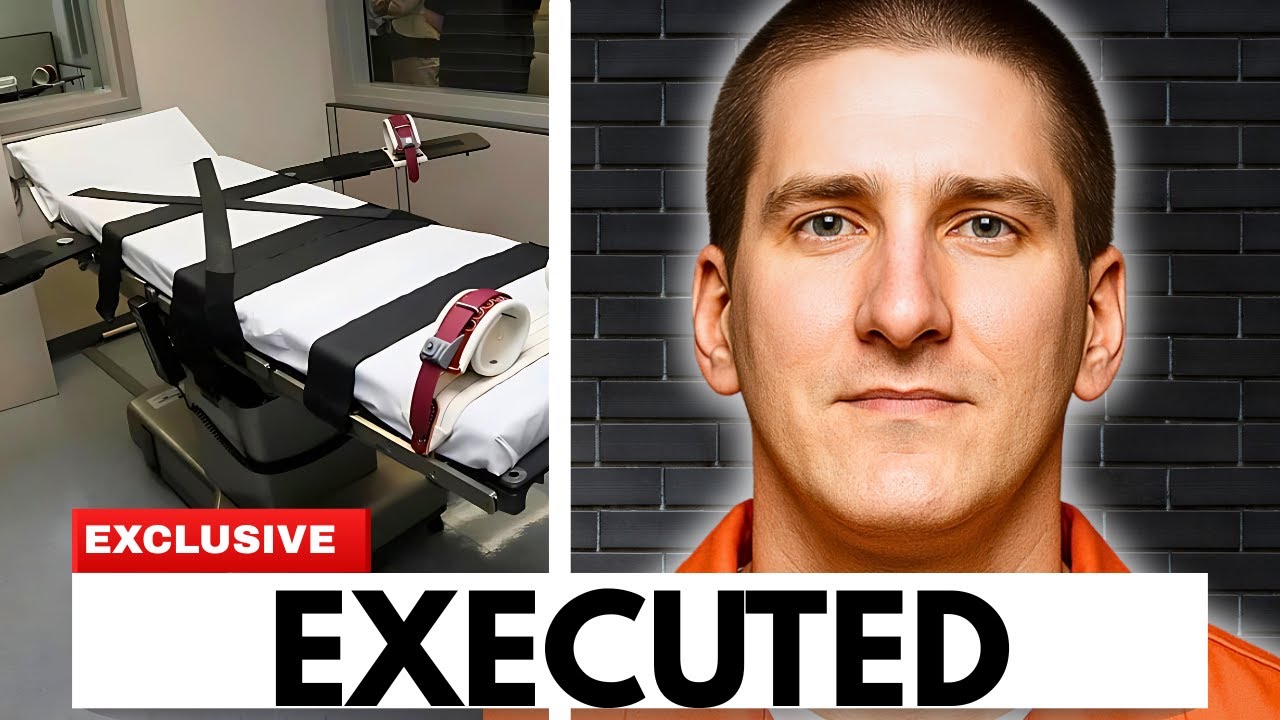
Pronounced dead at 7:14 a.m. at the U.S. Penitentiary, McVeigh’s death came with clinical precision and a chilling silence. He offered no final spoken words, no apology to the nation, and displayed no remorse as he faced the survivors and victims’ families who witnessed his execution.
Instead, the 33-year-old former Army sergeant left behind a handwritten copy of the 19th-century poem “Invictus,” its defiant final lines declaring, “I am the master of my fate, I am the captain of my soul.” His final meal, consumed the night before, consisted solely of two pints of mint chocolate chip ice cream.
McVeigh’s execution, the first federal death sentence carried out since 1963, followed his deliberate waiver of all remaining appeals. He spent his last days in near-silence, reading and writing, having declined spiritual counsel and received no personal visitors.
The procedural end stood in stark contrast to the violent, chaotic morning of April 19, 1995, that defined his legacy. At 9:02 a.m. that day, a Ryder truck packed with a homemade fertilizer bomb detonated outside the Alfred P. Murrah Federal Building in Oklahoma City.
The blast sheared off the building’s north face, killing 168 people instantly or trapping them in the rubble. Among the dead were 19 children, most from the America’s Kids Day Care Center, federal agents, secretaries, and civilians conducting routine government business.

The nation watched in horror as rescue workers clawed through concrete and steel for survivors. The attack, which injured more than 680 people, shattered the heartland’s sense of security and launched the largest criminal investigation in U.S. history at the time.
Code-named OKBOMB, the FBI probe involved 28,000 interviews and 3.5 tons of evidence. A critical break came from the bomb’s wreckage: a vehicle axle bearing a serial number that traced the rental truck to Junction City, Kansas.
There, a clerk described renting the truck to a man using an alias. The description matched Timothy McVeigh, who was already in custody. He had been stopped just 90 minutes after the bombing for driving without a license plate and carrying a concealed weapon.
Investigators swiftly linked McVeigh and his Army friend, Terry Nichols, to the plot. Michael Fortier, another acquaintance, later testified against them in exchange for a plea deal. The evidence was overwhelming, from fertilizer receipts to witness accounts.
McVeigh’s trial was moved to Denver, Colorado, in 1997 due to the profound grief and anger in Oklahoma. Prosecutors portrayed a cold, calculating terrorist motivated by anti-government fury, seeking revenge for the federal sieges at Waco and Ruby Ridge.
He was convicted on all counts, including the use of a weapon of mass destruction and eight counts of first-degree murder for the deaths of federal agents. The jury rejected defense arguments that he did not intend to kill children, sentencing him to death.

For four years on death row, McVeigh remained unrepentant. In letters and interviews, he called the bombing a “legitimate tactic” and referred to the slain children as “collateral damage.” His defiance only deepened the anguish of the victims’ families.
The execution brought a complex, somber form of closure to many. In the witness room, some family members wept quietly while others stared stoically at the man who had irrevocably shattered their lives.
“It’s a closure, but it doesn’t bring anybody back,” said one survivor outside the prison. “There’s a hole in your heart that never goes away.” Others questioned whether the state-sanctioned death of one man could ever balance the scales for 168 murders.
The legacy of the bombing and McVeigh’s ideology endures as a dark warning. It exposed the lethal potential of homegrown extremism and the devastating consequences of hatred weaponized against the government and its citizens.
As the nation processes this execution, the questions McVeigh’s case raised remain. They concern the roots of domestic terrorism, the limits of justice, and the haunting silence that follows even the most definitive of verdicts.
The rubble in Oklahoma City was cleared years ago, replaced by a serene memorial bearing 168 empty chairs. But the echoes of the blast, and now the silent, sterile death of the man responsible, will resonate for generations.
Source: YouTube