In a 𝓈𝒽𝓸𝒸𝓀𝒾𝓃𝑔 turn of events, Kendrick Simpson, the convicted murderer of two young men in 2006, was executed by lethal injection at Oklahoma State Penitentiary in McAlester early this morning. The sister of victim Glenn Palmer witnessed the grim scene, left reeling by Simpson’s final demeanor, as the state delivered long-awaited justice amid ongoing debates over capital punishment.
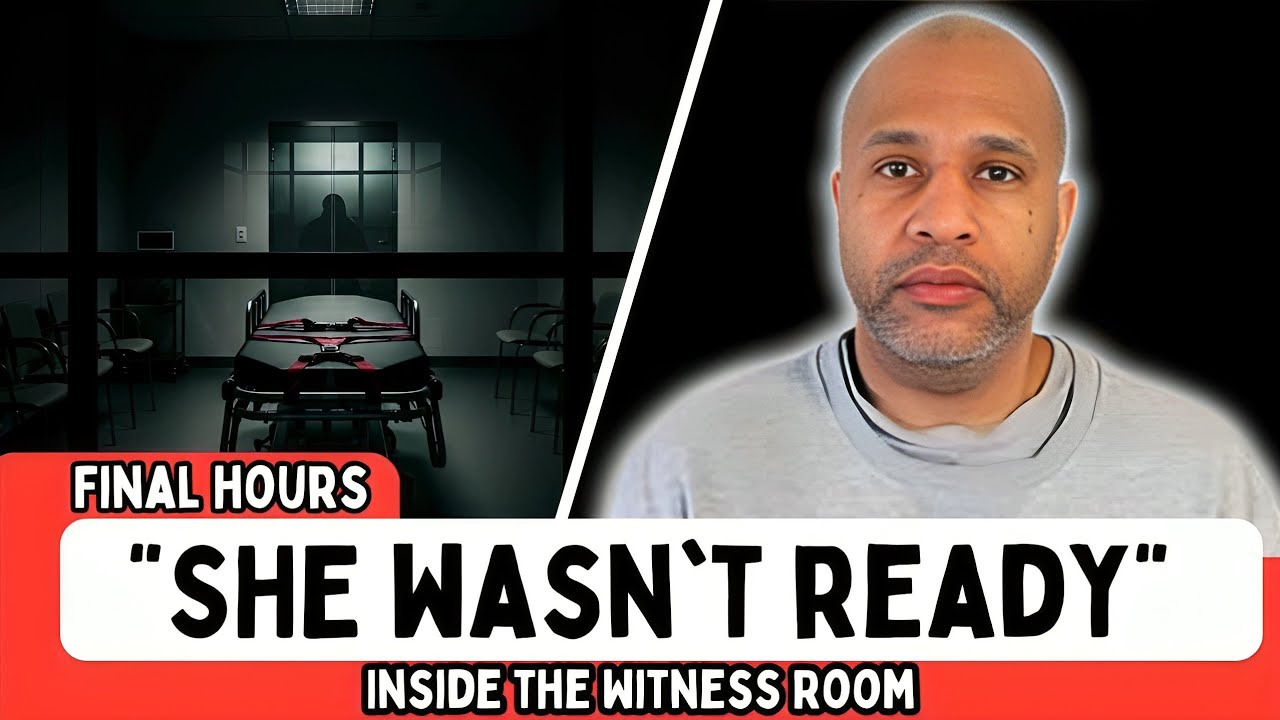 This execution marks Oklahoma’s first of 2026, ending a case that spanned two decades of legal battles and emotional turmoil. Simpson, 44, was put to death for the brutal slayings of Glenn Palmer, 20, and Anthony Jones, 19, during a nightclub altercation that escalated into a deadly chase. Witnesses described the horror as Simpson fired an AK-style rifle into their car, claiming two lives in an instant.
The roots of this tragedy trace back to January 15, 2006, in Oklahoma City. Simpson, recently relocated from New Orleans after Hurricane Katrina, attended a hip-hop club with friends. A minor dispute over his Chicago Cubs cap ignited tensions, leading to a physical scuffle. As the groups dispersed, Simpson’s group pursued Palmer’s vehicle for miles, turning a verbal spat into a calculated attack.
Prosecutors painted Simpson as a deliberate killer, not a man acting in the heat of the moment. Testimonies from his friends, Jonathan Dwight Dalton and Latango Wayne Robertson, confirmed the pursuit and shooting. Dalton, the driver, admitted they followed the victims’ car, while Robertson detailed Simpson’s threats and actions, solidifying the case for first-degree murder.
The investigation moved swiftly, with law enforcement gathering ballistic evidence and survivor London Johnson’s account. Johnson, who escaped with his life, described the terror of being targeted, his testimony proving pivotal in court. This evidence left no doubt: Simpson’s decisions were premeditated, from arming himself to pulling the trigger.
In 2007, Simpson’s trial unfolded in an Oklahoma courtroom, where prosecutors argued malice aforethought. The defense attempted to introduce mental health evidence, citing Simpson’s PTSD from past trauma, including being shot before Katrina. However, the judge restricted this, forcing the jury to focus on the facts alone.
 Guilty verdicts came swiftly on two counts of first-degree murder, plus charges for attempted murder and firearm possession. During sentencing, aggravating factors sealed Simpson’s fate. The jury handed down death sentences, weighing his violent history against any mitigating circumstances from his troubled upbringing.
Simpson’s appeals dragged on for years, challenging everything from trial representation to Oklahoma’s execution protocols. In 2019, his team petitioned the U.S. Supreme Court over ineffective counsel, but it was denied. By late 2025, a federal lawsuit questioned the state’s lethal injection process, yet courts upheld the original ruling.
The clemency hearing in early 2026 offered one last chance. Simpson addressed the board, expressing remorse and apologizing to the victims’ families. “I’m ashamed of being a murderer,“ he said, asking for mercy. But relatives, including Crystal Allison and Telicia Jones, opposed it vehemently, sharing their enduring pain.
The board voted 3-2 against clemency, paving the way for the execution. On February 12, 2026, Simpson was led into the chamber, with his spiritual adviser by his side. The three-𝒹𝓇𝓊𝑔 protocol was administered, and he was pronounced dead at 10:19 a.m., closing a chapter that began with senseless violence.

Crystal Allison, Glenn Palmer’s sister, was among the witnesses, later describing her shock at Simpson’s composed expression. “It brought back everything,“ she said, highlighting the emotional weight of the day. For her family, this marked a form of closure, though scars from 2006 remain.
Oklahoma’s Attorney General Gentner Drummond praised the execution as justice served, noting the thorough reviews that affirmed the verdict. Yet, critics argue it raises broader questions about capital punishment’s role in modern America, especially with mental health and rehabilitation in play.
Simpson’s case underscores the divide in criminal justice. Supporters of clemency pointed to his prison conduct and personal growth, questioning if execution fits a man who spent decades behind bars. Opponents, like the victims’ kin, emphasize accountability for irreversible loss.
As Oklahoma resumes its death penalty practices post-moratorium, this execution adds to the national conversation. States grapple with abolition versus enforcement, weighing deterrence against human rights. Simpson’s story, from New Orleans streets to Oklahoma’s death row, exemplifies the complexities of justice.
 London Johnson, the survivor, has built a life since that night, becoming a father of six. In statements, he reflects on carrying the trauma, urging focus on prevention over retribution. His perspective adds layers to a case that defies simple resolution.
The victims’ families continue to advocate for awareness, turning tragedy into calls for safer communities. Telicia Jones, Anthony’s sister, spoke of measuring time by absence, not dates. Their voices ensure the 2006 events aren’t forgotten amid legal proceedings.
Simpson’s execution isn’t just an end; it’s a mirror to society’s values. As debates rage, one thing is clear: the pursuit of justice remains fraught, demanding balance between punishment and compassion in the face of irrevocable harm.
In the wake of this event, Oklahoma moves forward, but the echoes of that fateful night linger, prompting reflection on how we define accountability in an evolving world. The story of Kendrick Simpson serves as a stark reminder of choices’ consequences and the human cost of violence.
Source: YouTube