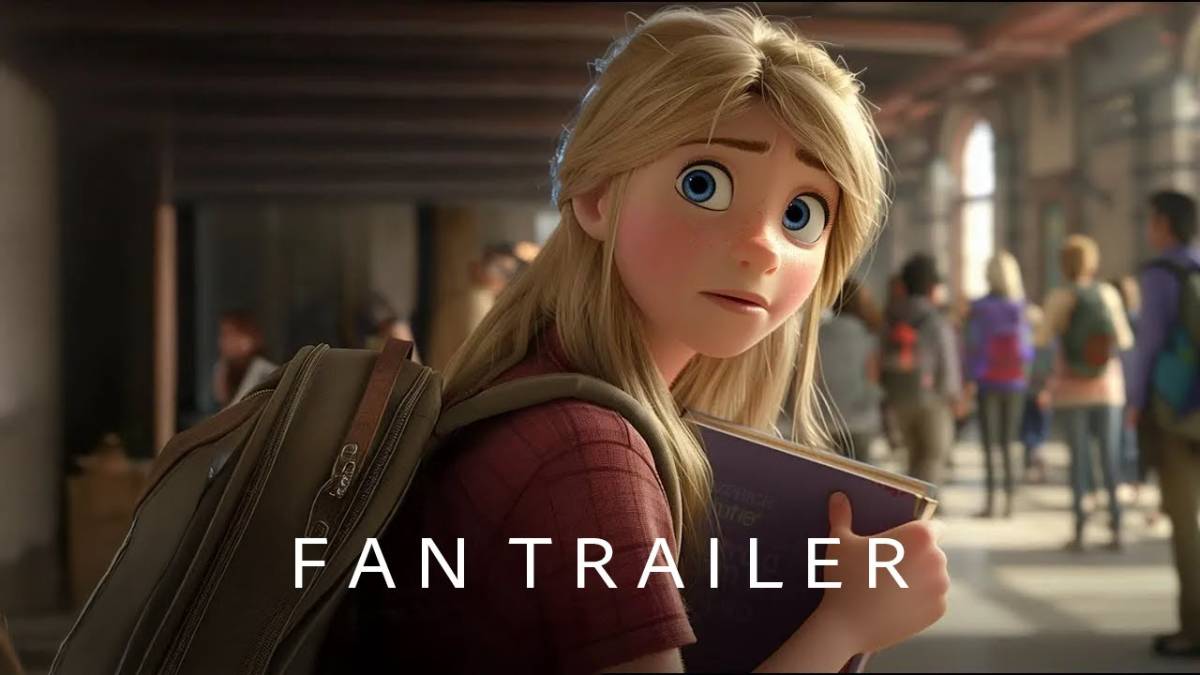
A seismic shift is occurring within the mind of a teenage Riley, as a stunning fan-made trailer hints at the tumultuous arrival of a powerful new Emotion: First Love. The viral parody, titled “Inside Out 3,” suggests Pixar’s beloved internal characters are facing their most complex challenge yet, blending the euphoria of new connection with the acute agony of first heartbreak.
 The unofficial trailer, generating massive online buzz, opens with a false sense of calm before subverting expectations entirely. Joy, Sadness, Anger, Fear, and Disgust appear to have established a fragile peace following the events of “Inside Out 2.” This stability is instantly shattered by the introduction of a radiant, new feeling who declares herself as “First Love.”
This arrival suggests Riley is entering adolescence’s most emotionally volatile phase. The narrative teased is not a simple romance but a profound psychological event that will reconfigure Headquarters. First Love appears not as a singular emotion but as a catalyst capable of unleashing entirely new, unknown feelings that threaten the existing order.
Chaos erupts immediately. The trailer cuts to a distraught Sadness, voiced with palpable pain, stating, “Grandpa, I’m sorry I can’t connect with you better… okay, it really hurts.” This poignant line implies First Love’s impact extends beyond romance, straining Riley’s foundational family relationships and triggering deep-seated insecurities.
Headquarters is thrown into a state of emergency, with the core Emotions visibly overwhelmed. The visual parody expertly mimics Pixar’s animation style, showing control panels flashing and glitching as the system is overloaded. Joy, typically the leader, is shown in a rare moment of helplessness, admitting she lacks all the answers to this new crisis.

The genius of the fan concept lies in its logical progression. Where “Inside Out 2” introduced Embarrassment, Envy, Ennui, and Anxiety, “First Love” operates as a narrative bomb. It is portrayed as a feeling so potent it can generate a host of subsidiary emotions, from longing and jealousy to despair, challenging the very architecture of Riley’s mind.
Audience reaction shots spliced into the trailer—depicting laughter, applause, and stunned silence—mirror the real response from fans online. The parody has sparked fervent discussion about the legitimate future of the franchise, with many arguing that exploring teenage love and loss is the inevitable next step for the series.
The trailer’s climax hints at a deeper philosophical quest. A resonant voiceover insists, “Deep inside we all know there is an answer,” suggesting Riley’s journey will be about integrating this transformative experience into her growing identity. The emotional stakes are framed as universal, touching on a core human memory.

Animation analysts praise the fan work for its perceptive understanding of Pixar’s emotional storytelling. First Love is depicted with a dual nature, shown in scenes of luminous beauty and crushing darkness, visually representing the duality of adolescent romantic experience—its unparalleled highs and devastating lows.
The parody successfully builds narrative tension by posing urgent questions. How will Joy handle an emotion she cannot control? Will Sadness find a new, powerful role in processing heartbreak? The dynamic promises to push every original character to their limits in a battle for Riley’s emotional well-being.
While purely speculative, the fan trailer’s sophistication has led some commentators to wonder if it might inspire the studio’s actual direction. The concept addresses the natural aging of the audience that grew up with the first film, meeting them at the next pivotal stage of emotional development.

Social media platforms are flooded with frames from the video, particularly the haunting image of a glitching memory orb that appears to contain both joyful and sorrowful imagery simultaneously. This symbolizes the inseparable blend of happiness and pain that First Love brings to Riley’s memory bank.
The fan project underscores the enduring cultural impact of the “Inside Out” universe. It demonstrates how deeply audiences connect with these personified emotions, investing in their continued saga and eagerly projecting Riley’s future challenges onto the framework Pixar so brilliantly established.
Ultimately, this viral sensation is more than a parody; it is a testament to the power of the original concept. It proves that the landscape of the human mind remains a rich, unexplored territory for storytelling, with fans actively and passionately participating in mapping its next frontier.
As the trailer concludes, the lingering question for fans is not if Riley will experience first love, but how Pixar would artistically navigate such fertile, emotionally complex ground. This fan-made vision provides a compelling, urgent, and highly professional blueprint, setting the internet abuzz with anticipation for what might come next from the official studio.
Source: YouTube