Paul Ezra Rhoades was executed on November 18, 2011, at the Idaho Maximum Security Institution, ending a chilling chapter of terror that haunted Idaho Falls since 1987. His final meal, words, and the brutal crimes that led to his death sentence have left a conflicted community wrestling with justice and lingering nightmare.

In the brutal winter of 1987, Paul Ezra Rhoades unleashed a wave of horror across Idaho Falls, Idaho. A man ravaged by drugs and turmoil, he obliterated three innocent lives over a few chilling weeks, leaving scars within a once peaceful town. His name became synonymous with fear, despair, and unimaginable cruelty.
Rhoades’ early life painted a grim prelude. Born January 18, 1957, he was the eldest of four, growing up in a household shadowed by conflict and illness. A polio diagnosis at age four isolated him, while parental strife drove him further into loneliness and addiction, setting a dark path that would culminate in violence.
By his teenage years, escape meant alcohol, then methamphetamine, which fueled a monstrous transformation. A man once timid spiraled into dangerous unpredictability. Odd jobs mask his desperation by day; by night, he prowled as a burglar and eventually a remorseless killer who shattered families and shattered the community’s sense of safety.
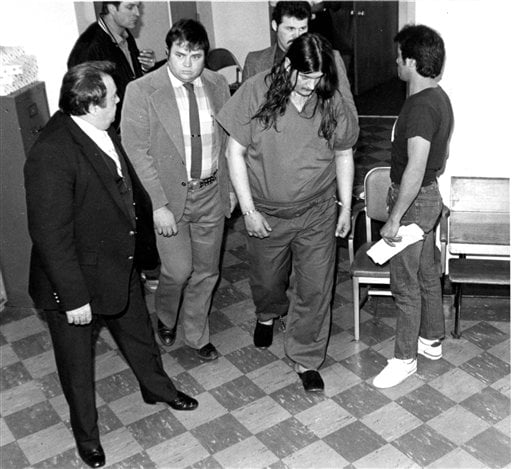
The nightmare began February 28, 1987, when Rhoades entered the Red Mini Barn convenience store in Blackfoot. There, bright-eyed 21-year-old Acy Dawn Baldwin was held hostage, then shot fleeing across a snow-drenched field, her life brutally stolen in a crime that shook her town to its core.
Ten days later, the terror struck again. Nolan Haden, 20, working in Idaho Falls, was forcefully taken at gunpoint. Mistaken identity or rage, it mattered little—his life was extinguished in a cold walk-in cooler. The city’s dread deepened; a phantom killer loomed, unpredictable and merciless.
March 19 saw the disappearance of 34-year-old special education teacher Susan Michelle Bacher. Rhoades kidnapped her, extracted money at gunpoint, then drove her to a barren lava field where she endured unspeakable horror before being mercilessly executed. Her body’s discovery marked a grim turning point for the entire region.

Investigators pieced together chilling evidence linking Rhoades to the crimes. Bullets from his gun, shoe prints, and witness testimonies painted the grim reality. After a desperate manhunt triggered by a vehicle crash in Nevada, law enforcement finally captured Rhoades on March 27, 1987, his 𝒹𝓇𝓊𝑔-fueled rampage abruptly halted.
In custody, Rhoades confessed to his crimes amidst haze and confusion. Trial proceedings unveiled the depth of his brutality and the shattered lives he left. Multiple trials over months resulted in convictions and death sentences, amidst scenes marked by anger and disbelief from victims’ families and the local community.
Throughout the decades awaiting execution, Rhoades lived in a stark windowless cell. Efforts to appeal his sentences citing childhood trauma and 𝒹𝓇𝓊𝑔 addiction failed repeatedly. He took refuge in art and reading, maintaining ambiguous remorse that few believed. His mother remained his sole visitor, the last tether to a fractured past.
On the morning of November 18, 2011, the execution chamber became the final scene. Rhoades’ last meal—a simple request of hot dogs, baked beans, and strawberry ice cream—contrasted sharply with the weight of his crimes and the community’s sorrow. Outside, protests both condemned and supported the harsh sentence.
Facing his final moments, Rhoades delivered a measured apology, naming specific victims’ families yet provoking fury and skepticism. To some, his words were hollow echoes of a man refusing true accountability. To others, a grim closure. The tension between justice served and vengeance exacted permeated the atmosphere.
At 9:15 a.m., after 22 minutes under lethal injection, Paul Ezra Rhoades was pronounced dead. In that moment, Idaho completed its first execution in 17 years, closing a long chapter of anguish but reopening age-old questions about punishment, retribution, and healing.
The pain remains raw for the families of Stacy Baldwin, Nolan Haden, and Susan Michelle Bacher—three lives stolen in unfathomable brutality. Idaho Falls lost not just individuals, but faith in security and innocence, forever shadowed by the nights when silence was shattered by gunfire and sorrow.
Rhoades’ story is a haunting mirror reflecting the complex interplay of human darkness and the quest for justice. His childhood struggles, 𝓈𝓊𝒷𝓈𝓉𝒶𝓃𝒸𝑒 𝓪𝓫𝓾𝓼𝓮, and descent into violence challenge society’s understanding of culpability and punishment, leaving an indelible debate on the nature of evil and redemption.
As the ashes of Rhoades were returned to his legal counsel, many in Idaho wondered if justice truly triumphed or if the execution was but another somber act in a relentless cycle of grief. His end did not erase the trauma, nor the
memories of those frozen in time by his crimes.
In the cold moonlight of Idaho Falls, the legacy of Paul Ezra Rhoades lingers—a stark warning and an invitation to reflect on prevention, compassion, and the nature of punishment. His death raises urgent questions: How do we confront darkness within society, and can any measure restore peace to shattered lives?
This breaking news recounts a chilling story of terror, justice, and sorrow that echoed long beyond its violent origins. Paul Ezra Rhoades’ execution marks an endpoint but leaves a lasting echo in the quest for truth and the complex balance between justice and humanity.