As the clock ticks down to Billy Kearse’s scheduled execution on March 3, 2026, at 6:00 PM, the atmosphere in Stark, Florida, grows heavier with tension. After 34 years on death row for killing a police officer, debates rage over his fate, igniting a national conversation on justice, punishment, and morality.
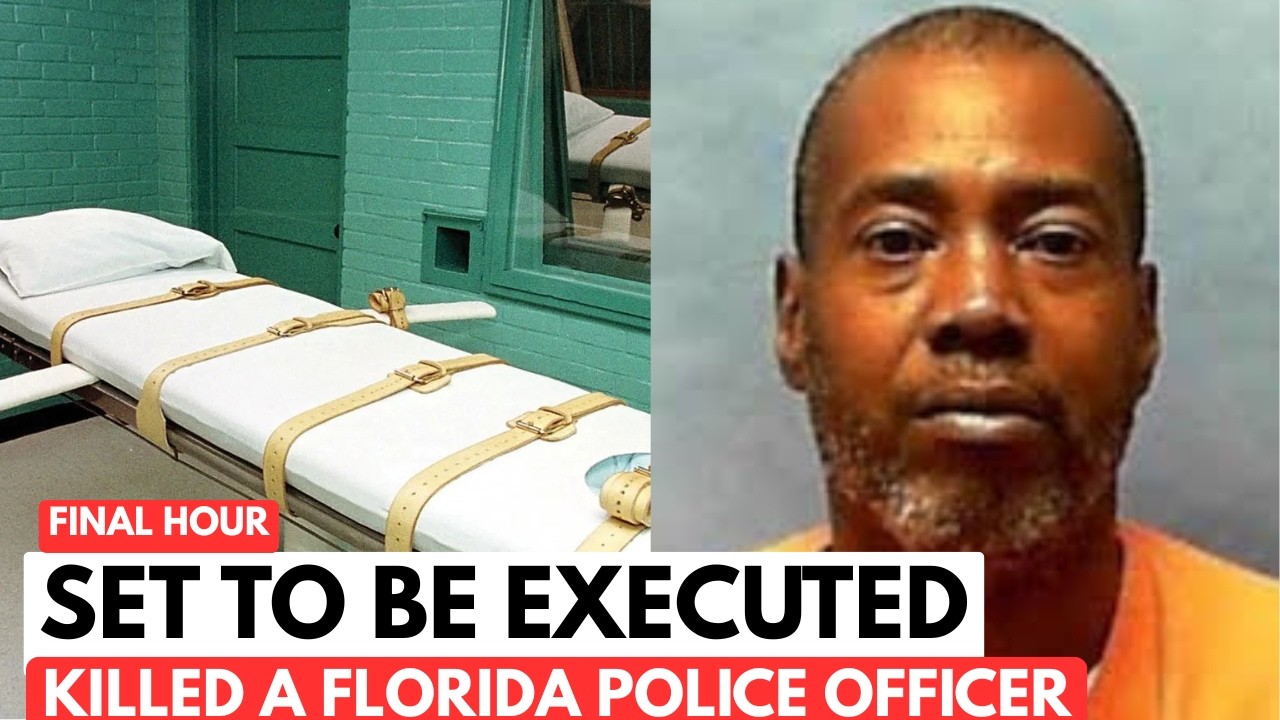 Florida has become a focal point for capital punishment, with Governor Ron DeSantis signing death warrants at an alarming rate. Kearse’s case, in particular, has drawn intense scrutiny due to the complexities surrounding his conviction and the implications of executing someone with a purported intellectual disability.
On the night of January 18, 1991, Kearse, then an 18-year-old, was pulled over by Sergeant Danny Parish for driving the wrong way down a one-way street. What began as a routine traffic stop escalated into tragedy as Kearse shot Parish 14 times, resulting in the officer’s death and a life sentence for Kearse.
 The legal saga that followed has been convoluted. Kearse was initially sentenced to death in 1991, but the Florida Supreme Court overturned the sentence in 1995 due to jury instruction errors. A retrial led to a unanimous death sentence in 1996, and Kearse has since fought through the courts for nearly three decades without success.
As the date of execution approaches, Kearse’s legal team has filed a final motion, alleging juror misconduct and raising concerns about his mental capacity. Advocacy groups argue that executing someone with an intellectual disability violates the Eighth Amendment, a claim the state vehemently disputes.

Adding to the 𝒹𝓇𝒶𝓂𝒶, two sitting justices from the Florida Supreme Court have publicly expressed their belief that Kearse’s case is not a death case, citing his age at the time of the crime and his cognitive limitations. These letters to the clemency board have fueled further debate, showcasing a fracture within the judicial system itself.
 Meanwhile, the family of Sergeant Parish is resolute in their pursuit of justice. To them, Kearse’s execution is not merely a matter of law but a moral imperative, a necessary step to honor the life of a dedicated officer taken too soon. The tension between the pursuit of justice for a fallen officer and the ethical implications of capital punishment creates a charged atmosphere surrounding this case.
As the sun sets on March 3, the world will be watching Florida State Prison. The outcome of this case could resonate far beyond the prison walls, influencing the future of capital punishment in America. Whether Kearse’s execution will proceed as planned remains uncertain, with the courts yet to issue a stay.
In a society grappling with the complexities of justice, Kearse’s impending execution serves as a stark reminder of the moral dilemmas inherent in the death penalty. As the clock ticks down, the questions surrounding Kearse’s fate demand attention, stirring a national dialogue on the nature of justice, accountability, and human rights.