In a profound exploration of Jesus’s final days, new insights reveal the ten significant locations he touched before his crucifixion, each steeped in spiritual and historical significance. From the intimate setting of Bethany to the harsh reality of Golgotha, these sites serve as silent witnesses to his journey of sacrifice and redemption.
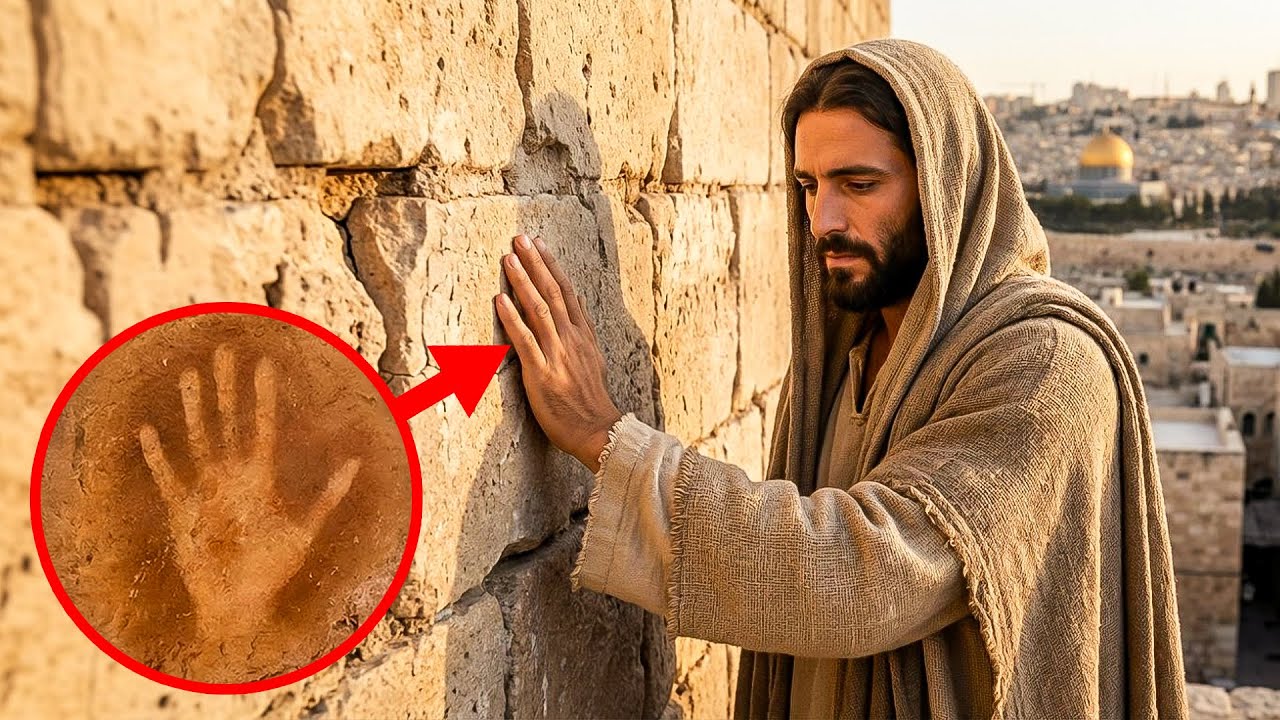
Bethany, a quiet village near Jerusalem, became a pivotal stop just days before Jesus’s death. Here, he found solace among friends, Martha, Mary, and Lazarus, who recognized the gravity of his impending sacrifice. The act of Mary anointing his feet with perfume foreshadowed his burial, marking Bethany as the first acknowledgment of his fate.
The road from Bethage to Jerusalem saw Jesus’s triumphant entry, where he rode a donkey amidst a throng of pilgrims celebrating Passover. This act was not merely ceremonial; it fulfilled ancient prophecies and proclaimed his messianic identity. Yet, amid the cheers, he wept for Jerusalem, understanding the rejection that awaited him.
At the heart of Jewish life, the Temple in Jerusalem was a site of confrontation. Jesus boldly expelled money changers, challenging the corruption that had overtaken worship. His actions declared that true spirituality could not be commodified, marking a decisive moment that made his rejection by the religious leaders inevitable.
The Mount of Olives offered Jesus a vantage point to deliver prophetic teachings about Jerusalem’s future. This location symbolized judgment and hope, emphasizing the need for spiritual vigilance among his followers. Here, he prepared his disciples for the trials ahead, knowing his time was running short.
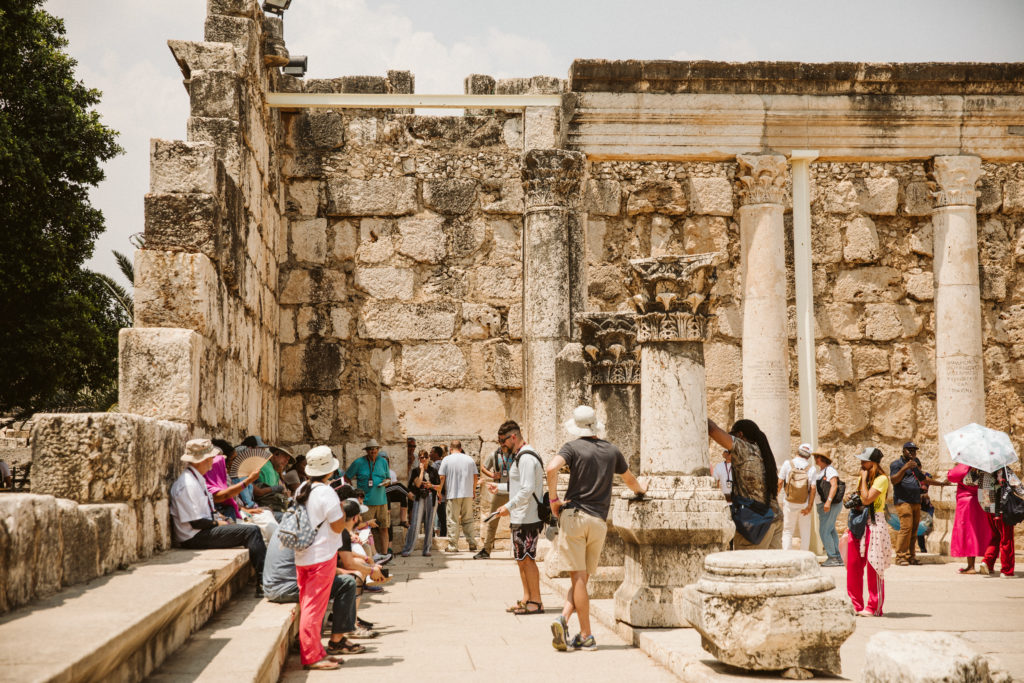
The Upper Room became the setting for the Last Supper, where Jesus instituted the New Covenant. He washed his disciples’ feet, redefining leadership through service, and foretold his betrayal. This intimate gathering was a poignant reminder of the community he was forming, even in the face of impending betrayal.
Gethsemane marked the climax of Jesus’s internal struggle. Here, he prayed fervently, experiencing profound anguish over the path ahead. His submission to the Father’s will in this garden set the stage for the events that would soon unfold, emphasizing the weight of his sacrifice.
The High Priest’s house witnessed the unjust trial of Jesus, where he was condemned without valid accusations. Caiaphas’s rejection of the truth highlighted how organized religion could fail to recognize the Messiah. This moment sealed Jesus’s fate, as he faced humiliation and violence at the hands of those who should have known better.

At the Roman Ptorium, the political machinations surrounding Jesus’s trial came to a head. Pilate, 𝒄𝒂𝓊𝓰𝒉𝓉 between his duties and the clamoring crowd, ultimately chose to condemn an innocent man to appease the masses. This decision showcased the moral decay of the time, as the true King was mocked and beaten.
Finally, Golgotha became the site of the crucifixion, where Jesus was executed between two criminals. This public display of humiliation served as a stark reminder of the world’s rejection of righteousness. Yet, even in his suffering, Jesus offered forgiveness, demonstrating the depth of his love and the fulfillment of his mission.
These ten locations are more than mere historical sites; they encapsulate the profound journey of Jesus from life to death. Each place reveals layers of meaning, sacrifice, and hope, inviting us to reflect on the significance of his actions and the eternal impact of his love.