Timothy McVeigh was executed at 7:21 a.m. on June 11, 2001, ending the life of the man responsible for America’s deadliest act of domestic terrorism. His lethal injection concluded years of torment for the victims of the 1995 Oklahoma City bombing, which claimed 168 lives, including 19 children. The nation watched history close a painful chapter.
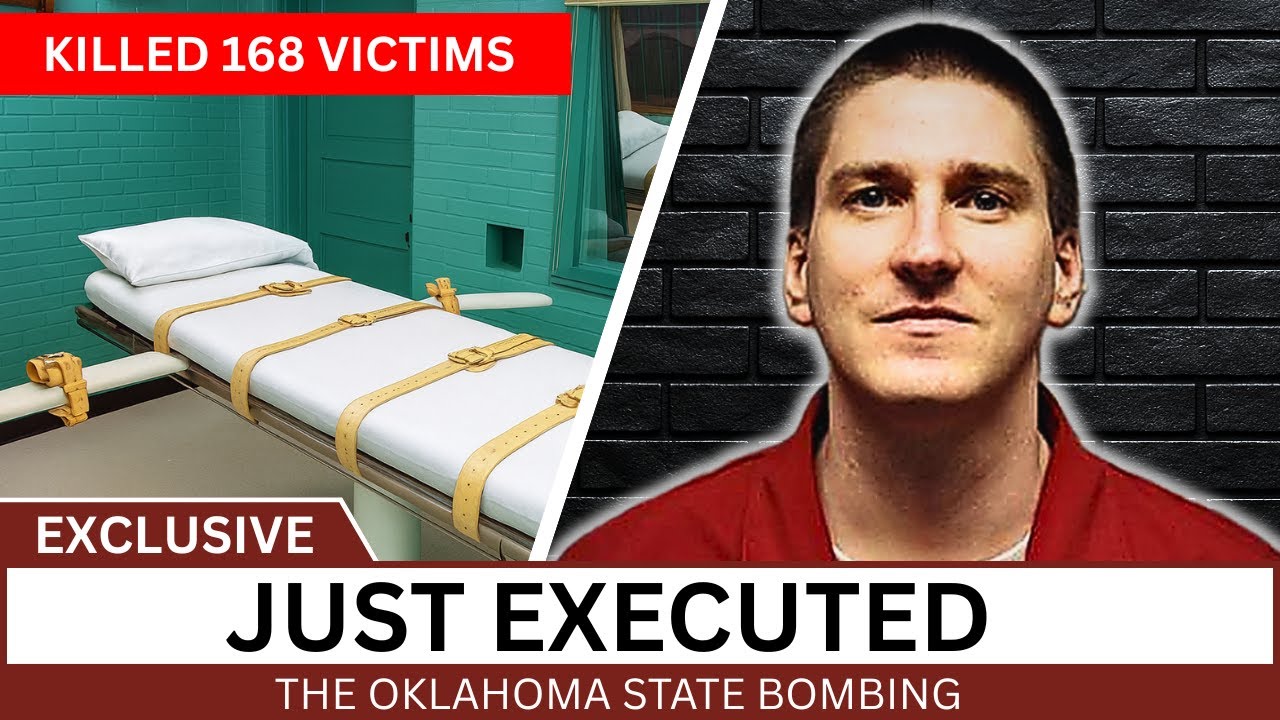
At the United States Penitentiary in Terre Haute, Indiana, the execution was swift and clinical. McVeigh, the infamous architect of the bombing, showed no remorse as he faced death. His composed demeanor, final meal of mint chocolate chip ice cream, and written last words sealed his unbroken defiance until the end.
The Oklahoma City bombing on April 19, 1995, remains one of the darkest tragedies in U.S. history. McVeigh detonated a 7,000-pound ammonium nitrate truck bomb outside the Alfred P. Murrah Federal Building, obliterating nine floors. Among the 168 dead were 19 innocent children, their lives extinguished in a flash of brutal violence.
In the moments following the blast, a haunting photograph captured a firefighter cradling Bailey Alman, a lifeless one-year-old, symbolizing lost innocence. Families screamed names no longer answered as rescue teams sifted through the rubble. McVeigh calmly fled the scene, his cold calculation imprinted in America’s memory forever.
Born in 1968 in Lockport, New York, McVeigh’s life spiraled from a seemingly ordinary boy to a radicalized man driven by extremist ideologies. A Gulf War veteran decorated for precision under pressure, McVeigh’s bitter disenchantment with government policies and violent events like Waco and Ruby Ridge reshaped his psyche.
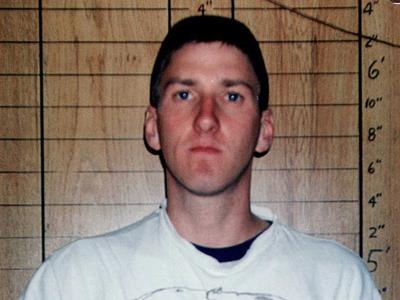
After military discharge in 1991, McVeigh drifted between odd jobs and militia circles, nurturing his hatred for federal overreach. His obsession with the incendiary novel The Turner Diaries fueled his revolutionary fantasies. He partnered with Terry Nichols, plotting over months to craft a meticulously planned bomb that would inject terror into the nation’s heart.
McVeigh’s persecution pathway involved renting storage units, purchasing massive quantities of fertilizer and racing fuel, and assembling explosive devices with chilling precision. His selection of the Murrah building, particularly targeting a daycare center within, underscored his ruthless disregard for life. Children, he later callously described as “collateral damage.”
The attack unfolded on a quiet spring morning as parents dropped off children and workers welcomed the day. At 8:57 a.m., McVeigh ignited the timer and abandoned his truck bomb under the daycare. Five minutes later, devastation wrought by the blast shattered the building and its occupants’ lives, leaving a city numbed by horror.
McVeigh’s arrest was ironically mundane—a routine traffic stop for a missing license plate hours after the bombing. Despite carrying a loaded handgun, he remained poised, only later arrested on unrelated firearm charges. The FBI rapidly connected the dots, tracing truck rental records and forensic evidence straight to him.
His trial in 1997 was a national spectacle, held in Denver to ensure impartiality. Overwhelming evidence, including survivor testimonies and physical proof, portrayed McVeigh as a cold, remorseless terrorist motivated by extreme anti-government sentiments. His own letters and admissions confirmed premeditation and pride in his deadly act.
The defense’s claims of a government conspiracy and an unidentified accomplice lacked credibility, collapsing under the weight of facts. Attempts to humanize McVeigh through his military background failed as his detached demeanor and denial of guilt painted a man devoid of empathy, unwilling to acknowledge the horror he caused.
On June 2, 1997, a unanimous jury convicted McVeigh on eleven counts, followed by a sentencing phase where victim families delivered heartbreaking testimonies. The jury imposed the death penalty on June 13, 1997. McVeigh accepted his sentence with cold acceptance, apparently anticipating his own execution as a final act of defiance.
His years on federal death row in Terre Haute were marked by isolation and continued ideological resolve. McVeigh read extensively, corresponded with supporters, and maintained a calculated narrative of martyrdom. He rejected faith, refused counseling, and forged a detached existence, sharing limited camaraderie with infamous inmates like Ted Kaczynski.
Legal appeals tried to challenge his conviction based on trial fairness and media influence but ultimately failed. The Supreme Court declined to intervene, leaving the path toward execution clear. McVeigh expressed readiness for death, framing it as the final step in his crusade against what he deemed government tyranny.
On the morning of June 11, 2001, McVeigh’s final minutes were devoid of ceremony or remorse. His last meal was simple, his final statement a handwritten copy of “Invictus,” declaring himself master of his fate. As the lethal injection drugs cou
rsed through his veins, the nation witnessed the quiet end of a catastrophic chapter.

Witnesses included victims’ family members and media representatives, sitting in tense silence as McVeigh’s breathing slowed and ceased. Outside, reactions were mixed—some grieved, others quietly celebrated the resolution of justice. The scattering of McVeigh’s ashes ensured no shrine arose to glorify his violent legacy.
The execution closed a horrific saga but could do little to erase the trauma inflicted on hundreds of families and a grieving nation. The Oklahoma City bombing remains a stark reminder of domestic terrorism’s horror and the disturbing potential for hatred to erupt from within familiar communities.
McVeigh’s story challenges Americans to confront difficult truths about radicalization and the impact of violence cloaked in ideological fervor. His lethal act tore through the fabric of ordinary lives, forever scarring Oklahoma City and the conscience of a nation determined to remember the victims over the perpetrator.
In the echoes of that tragic morning, the question remains: can justice ever fully heal wounds carved by a man who destroyed innocence with calculated cruelty? McVeigh’s execution underscored society’s demand for accountability even as it 𝓮𝔁𝓹𝓸𝓼𝓮𝓭 the enduring scars left on the human heart and the fragile peace of everyday life.
Source: YouTube