In a harrowing culmination of a nearly decade-long legal battle, Napoleon Beasley, executed on May 28, 2002, became one of the last juvenile offenders to face the death penalty in the United States. His chilling last words and final meal offer a disturbing glimpse into the complexities of justice and redemption.

Beasley, just weeks shy of his 18th birthday, committed a brutal crime on April 19, 1994, when he shot 63-year-old businessman John Lutig in a carjacking gone horribly wrong. The motive? A luxury Mercedes-Benz. The act shocked the community and ignited a national debate about the morality of executing minors.
The crime unfolded in Lutig’s garage, where Beasley, accompanied by accomplices Cedric and Donald Coleman, ambushed the victim and his wife. While Mrs. Lutig survived by playing dead, her husband was tragically killed. The brutality of the act raised questions about how a teenager could commit such violence for a car.
Following the murder, police quickly identified Beasley through Mrs. Lutig’s testimony and evidence from the scene. The Coleman brothers, facing serious charges themselves, cooperated with authorities, strengthening the prosecution’s case against Beasley. Their testimonies were pivotal in securing a conviction.
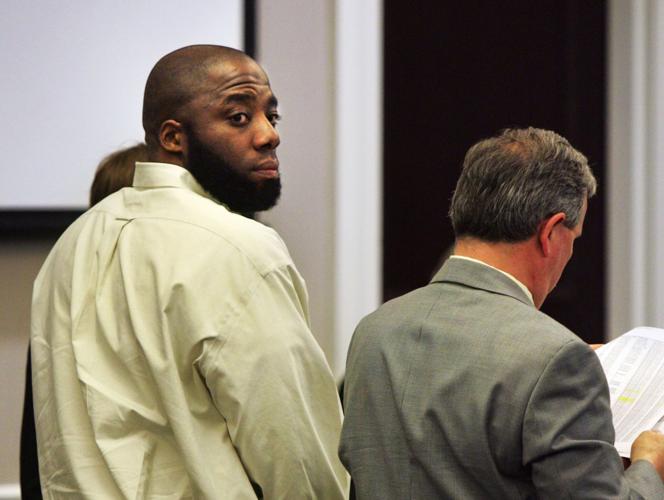
Beasley’s trial was a protracted legal ordeal, complicated by the victim’s familial ties to the judicial system. John Lutig’s son, J. Michael Lutig, was a respected federal judge, creating an unusual dynamic in the courtroom. Beasley’s appeals reached the US Supreme Court, where several justices recused themselves due to conflicts of interest.
Despite his youth and lack of prior criminal history, Beasley was sentenced to death. His appeals were met with rejection at multiple judicial levels, culminating in his execution date being set for August 15, 2001. However, a last-minute stay postponed the execution, only to be rescheduled for May 28, 2002.
In his final hours, Beasley reflected on his life, expressing remorse and philosophical musings about justice and forgiveness. His last meal remains partly unverified, with reports suggesting he requested simple comfort food. These choices, though mundane, carried significant emotional weight as he faced his fate.
As he entered the execution chamber, Beasley delivered a powerful statement that resonated with witnesses, including Lutig’s family. He lamented the loss of life and the flaws within the justice system, calling for second chances for others like him. His haunting words highlighted the moral complexities surrounding capital punishment.
Ultimately, Beasley was executed by lethal injection, sealing his fate and reigniting the debate over the death penalty for juvenile offenders. His case became emblematic of the struggle between justice and mercy, particularly as it influenced the landmark 2005 Supreme Court ruling that abolished the death penalty for minors.
The tragic story of Napoleon Beasley serves as a stark reminder of the human stories behind brutal crimes and the ongoing societal struggle to find a balance between punishment and compassion. As the nation reflects on his case, it grapples with the broader implications for justice and rehabilitation in the criminal system.