In a chilling conclusion to a decades-long saga, Texas executed former Missouri City police officer Robert Alan Fratta tonight at Huntsville prison. Convicted for masterminding the 1994 murder of his wife Farah, Fratta died without a final statement, maintaining innocence until the end amid a case steeped in manipulation and tragedy.
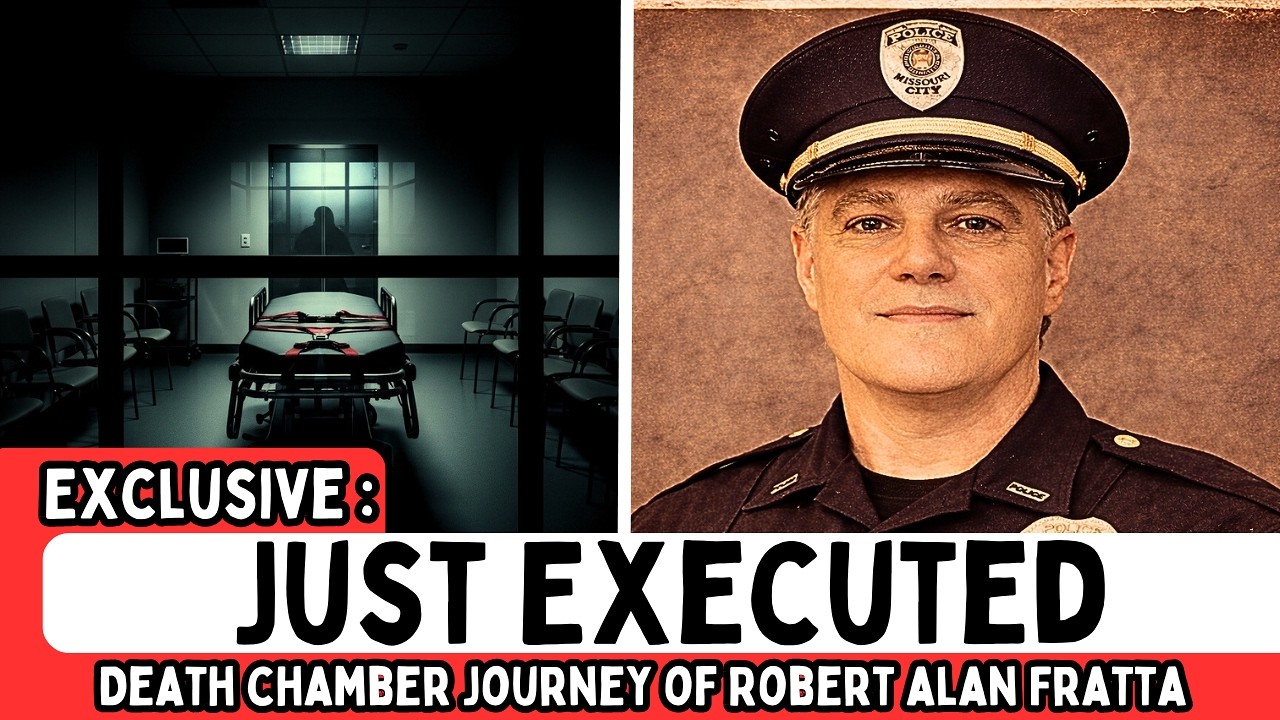
Robert Alan Fratta, once a figure sworn to uphold the law, was executed after nearly 30 years on death row for a crime that shocked a community. Fratta’s wife Farah was fatally shot in their Atascocita home while he maintained a seemingly ironclad alibi at church, sparking fierce controversy and detailed investigations.
Farah Bacher Fratta was a beloved figure—her life abroad, vibrant social character, and career at American Airlines—all painted a picture of normalcy shattered by brutal violence. Her 1994 murder was not random but orchestrated from within, exposing a dark fissure behind the facade of family and duty.
The disturbing narrative reveals Robert Fratta’s blatant and chilling talk of killing Farah, openly discussing his intentions at the gym and social venues, perhaps naively believing such openness would shield him from suspicion. His arrogant recklessness ignited suspicion early on, but physical evidence tied him to the crime years later.
Farah’s murder weapon—a 38 caliber revolver bought years earlier by Fratta and stored by Farah’s father—became the linchpin in the eventual conviction. The revolver’s ballistic match to the bullets found embedded in Farah’s body cemented proof of premeditation and conspiracy orchestrated by the former officer.
Multiple witnesses, including gym acquaintances and a key informant who initially stayed silent out of fear and apathy, came forward to reveal the plot. Their testimonies, alongside physical evidence, dismantled Fratta’s attempts to build an alibi and obfuscate the truth, exposing cold calculation beneath his calm exterior.
Farah was shot twice in her garage on a seemingly ordinary evening, a scene witnessed and immediately reported by a neighbor whose quick action spurred the investigation. Meanwhile, Fratta’s suspicious phone calls from the church during the time of the murder raised immediate red flags for those paying close attention.
Though Fratta maintained innocence, his behavior—smiling before cameras and refusing to express genuine grief—fueled widespread doubts. Investigators noted his disturbing attitude and lack of remorse, underscoring a troubling reality behind the uniform: a man capable of cold-blooded orchestrated murder.
The murder shook the community and dragged the family through years of heartbreak. Farah’s children were placed in the care of their grandparents following a court ruling that branded Robert unfit, a rare move driven by the extraordinary circumstances surrounding Farah’s death and Fratta’s mounting legal troubles.

Fratta’s legal battles were grueling and complex. After the initial death sentence, his conviction was overturned due to procedural issues, only to be retried and convicted again based on new witness testimonies and irrefutable forensic evidence. His second death sentence stood firm, ending a long legal odyssey.
His execution day was fraught with last-minute legal challenges concerning lethal injection drugs, briefly halting the process. Yet, all barriers fell swiftly as appeals failed and the Supreme Court declined intervention. On January 10th, 2023, the state of Texas carried out the ultimate sentence for a man branded a coward and monster.
In the final moments inside the execution chamber, Fratta refused to address relatives of his victim or anyone present, choosing silence over reconciliation. His eldest son and Farah’s brother witnessed the somber scene, a quiet testament to fractured family ties left irreparably broken by a ruthless act.
Fratta’s co-conspirators faced varying fates. Joseph Price Stash died on death row in 2025, never executed, while Howard Paul Gidri remains incarcerated without a set execution date. The legacy of the crime continues to reverberate, marked by the tragic loss of Farah and the fractured lives of those left behind.
Farah’s life insurance payout was never collected by Fratta; instead, the proceeds supported the children raised by their grandparents. Lex Bacher, Farah’s father, who had long awaited justice, died in 2018, never seeing the final execution of the man responsible for his daughter’s death.

The case stirred extraordinary 𝒹𝓇𝒶𝓂𝒶 beyond the courtroom, including the arrest—but eventual acquittal—of a separate law enforcement officer who sought permission to 𝓀𝒾𝓁𝓁 Fratta, underscoring deep layers of vengeance and justice entwined in this tragic narrative.
Robert Alan Fratta’s execution closes a dark chapter in Texas criminal history — a complex tale of betrayal, law enforcement corruption, and grim justice served after relentless pursuit. Farah’s murder revealed not only a husband’s deadly scheme but also systemic chal
lenges in untangling truth from deceit.
Tonight’s execution resonates as a stark reminder of the long, agonizing road to justice for victims and their families. It spotlights how perseverance, forensic science, and brave witnesses can eventually pierce through decades of silence and manipulation surrounding violent crime.
Fratta’s final days unveiled haunting truths about the 𝓪𝓫𝓾𝓼𝓮 of power and the consequences of choosing self-interest above all else, culminating in a death sentence carrying echoes of sorrow, unresolved pain, and the relentless pursuit of accountability.
The tragedy has left an indelible impact on the community, law enforcement, and the families 𝒄𝒂𝓊𝓰𝒉𝓉 in this nightmare. Each moment—from Farah’s final day to Fratta’s execution—remains seared in the collective memory, a testament to loss and the relentless quest for justice.
This case serves as a powerful example of the complexities surrounding criminal investigations, legal rights, and the enduring scars left by crime that tears families apart. As Texas carried out its sentence, many reflected on the balance between punishment and the human cost behind headlines.
Tonight marks a grim milestone in one of Texas’s most harrowing murder cases. Robert Alan Fratta’s death brings closure to a story marked by horror, manipulation, and tragedy, underscoring the relentless work of justice systems striving to uphold truth in the face of fierce denial and denial.

The execution is not just the end of one man’s life but a somber chapter closing on years of pain endured by Farah’s family, whose voices refused to be silenced. Justice, long delayed, has finally been rendered, albeit with scars that time may never heal.
As the sun set over Huntsville prison, the shadows of this saga lingered—a reminder of how betrayal within a family and the 𝓪𝓫𝓾𝓼𝓮 of authority can lead to devastating consequences. Tonight, Texas drew its line in the sand, signaling the final reckoning for Robert Alan Fratta.
The community now faces the long task of healing, remembering a beloved mother lost too soon and a family forever altered. Farah’s story will endure, not as a footnote, but as a solemn lesson on the cost of violence and the pursuit of justice in the face of darkness.