A single lethal dose of pentobarbital ended the life of Joseph Edward Corcoran at 12:44 a.m. today inside the Indiana State Prison. The 49-year-old was executed for the 1997 murders of four men, closing a case that exposed catastrophic failures in mental health care and the justice system spanning decades.
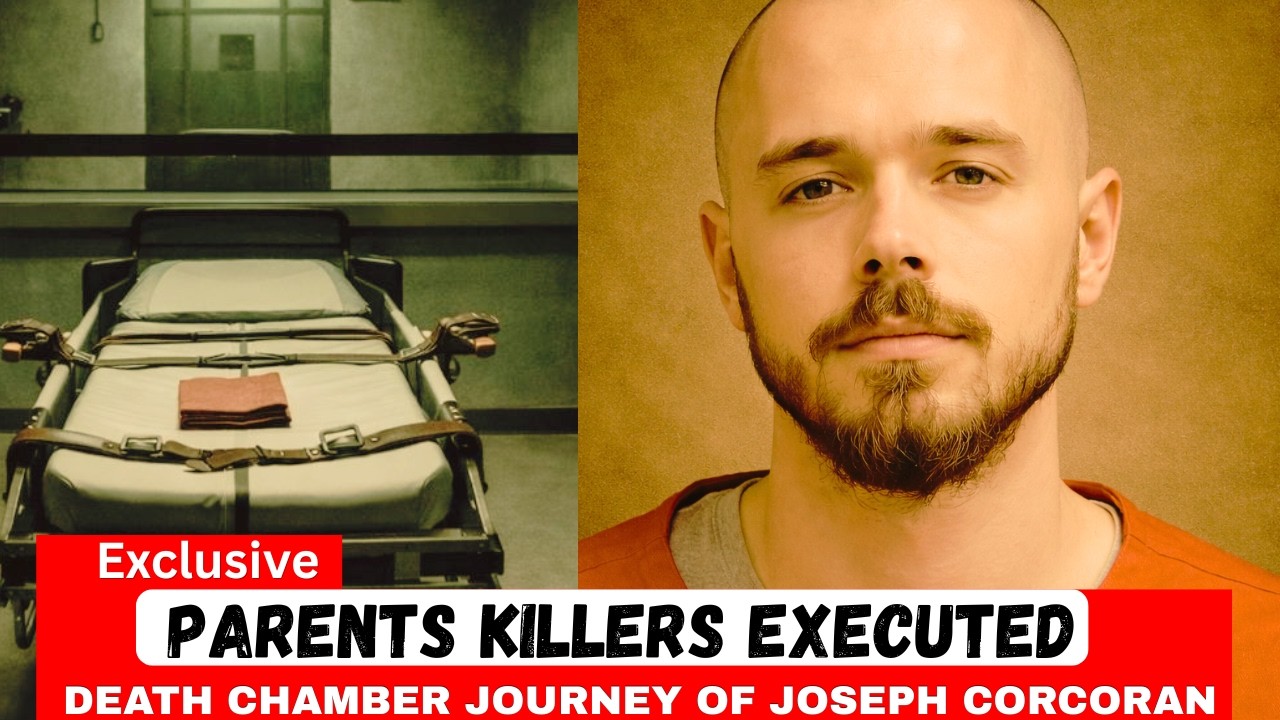
His death marks Indiana’s first execution in 15 years, ending a de facto moratorium caused by drug shortages. The state resumed capital punishment after securing a supply of the barbiturate, often used in animal euthanasia. Corcoran’s final words were, “Not really. Let’s get this over with.”
The execution proceeded with extreme secrecy. Only four witnesses observed through a one-way window: his attorney, a reporter, and two family members. Indiana law bars independent media from executions, a policy shared only with Wyoming. The blinds were closed for the final two minutes of the procedure.
Corcoran spent 25 years on death row, diagnosed with paranoid schizophrenia. He believed prison guards tortured him with ultrasonic sound waves. His legal team argued his desire to waive appeals was an irrational bid to escape this imagined torment, not a rational understanding of his punishment.
The story begins not in the death chamber, but in 1992. A 16-year-old Joseph Corcoran stood trial for murdering his parents, Jack and Catherine, with a shotgun in their Steuben County home. Classmates testified he had offered them money to kill his parents.
A doctor diagnosed him with prodromal schizophrenia, the disease’s earliest stage. This critical diagnosis was never shared with his family. The jury acquitted due to circumstantial evidence and a missing murder weapon. Jurors later confessed they believed he was guilty but lacked proof.

Freed, Corcoran moved in with his siblings. His untreated illness festered. By July 1997, he lived in Fort Wayne with his sister Kelly, her fiancé Robert Turner, and his brother James. Tensions rose as plans for Kelly’s wedding meant he would have to move.
On July 26, he lay upstairs, hearing voices from the living room. He believed the men below—James, Robert, and their friends Timothy Bricker and Douglas Stillwell—were conspiring against him. In a chilling act of premeditation, he first escorted his seven-year-old niece to a safe room.
He then retrieved a semi-automatic rifle. The killing took six seconds. He shot the four men as they sat watching TV. Stillwell fled to the kitchen, where Corcoran executed him with a final shot to the head. Corcoran then calmly asked a neighbor to call the police and confessed.
Police found an arsenal in his room: over 30 firearms and extremist literature. At his 1999 trial, the evidence was overwhelming. He was convicted and sentenced to death. Timothy Bricker’s mother placed a Bible before him, urging him to find forgiveness.
For years, Corcoran fought his lawyers and insisted on execution. “I believe the death penalty is a just punishment for murder,” he wrote in 2003. His legal team contended this desire was a symptom of his severe mental illness, not a rational choice.

Final appeals and clemency pleas flooded courts this month. His sister Kelly, who lost her parents, brother, and fiancé to his violence, publicly forgave him and begged for mercy. His wife and three Fort Wayne churches joined the call. All pleas were denied.
Protesters gathered outside the prison last night, ringing a bell of mourning. Inside, Corcoran ate Ben & Jerry’s ice cream as his last meal. His pastor, who knew him as a withdrawn child, stood by his side as the drug was administered.
Governor Eric Holcomb defended the execution, noting exhaustive judicial reviews. Attorney General Todd Rokita said Corcoran paid his debt. His lawyers called it a tragic restart of executions “a week before Christmas, a season intended for life and joy.”
This case forces a brutal reckoning. A missed diagnosis, an uncommunicated warning, and an acquittal based on reasonable doubt set a timer on four innocent lives. The state’s ultimate punishment was carried out on a man whose grasp of reality was shattered by untreated illness.
Six people are dead. A family is obliterated. A sister’s world was destroyed twice over. The execution leaves unresolved whether justice was served or the system simply completed a cycle of failure it began 32 years ago. The bell’s echo in the cold Michigan City air asks a question with no answer.
Source: YouTube