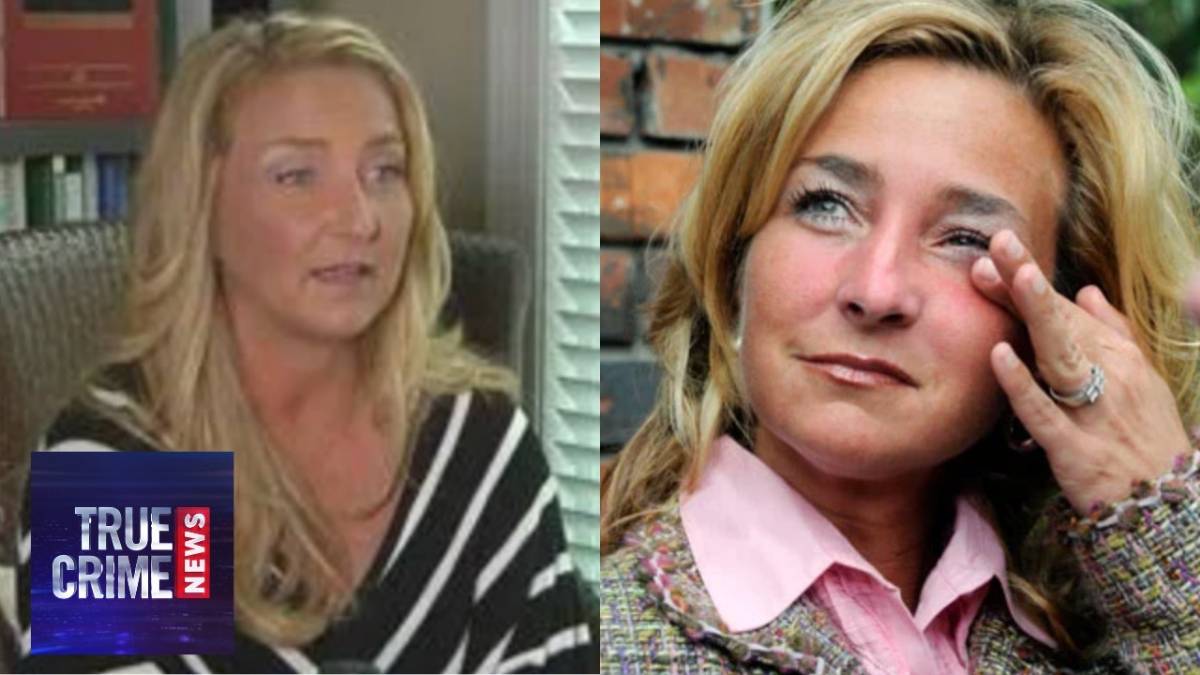
A Georgia kindergarten teacher has been found not guilty on all 22 counts of child molestation after a two-year legal battle that tore apart her family and shattered her small-town community. The verdict, delivered in a Chickamauga courtroom, brings a stunning end to a case the defense characterized as a malicious “witch hunt” built on coerced testimony and personal vendettas.
 Tanya Craft, a mother of two and a veteran educator with nearly 20 years of experience, was arrested in a dramatic fashion just as the summer break began. Detectives arrived at her door accusing her of molesting three young girls, a list that included her own daughter. “They started throwing accusations,” Craft recalled, describing the moment her world collapsed. Despite her immediate request for an attorney, she was accused of non-cooperation.
The prosecution’s case rested heavily on the testimonies of the three young children, all under seven years old. Craft’s defense team, however, argued the allegations were the product of relentless and suggestive questioning by adults, including one mother described as a powerful local figure with a grudge. “They want to please the person they’re talking to,” argued one of Craft’s attorneys, suggesting the children’s stories evolved under pressure.
The indictment was staggering in its scope and graphic detail, alleging 22 separate acts. “Reading the indictments make me nauseated,” Craft stated. “The things that they claimed in there are just disgusting… But I did not.” Facing a potential maximum sentence of 400 years, Craft maintained her innocence from the outset, even volunteering to take a polygraph test—an offer she says authorities sidestepped by securing an arrest warrant instead.
 Her arrest was a deeply humiliating ordeal. “They took my clothes off… I was crying so hard I was shaking,” she described of the booking process. The subsequent trial forced her to listen as the horrific charges were read aloud to the jury: aggravated child molestation, aggravated sexual battery, and child molestation.
A pivotal moment came when Craft, against the advice of some on her legal team, chose to testify in her own defense. “I’m here because I have been falsely accused,” she told the court. Under intense cross-examination, prosecutors probed her personal life, from her underwear choices to past relationships, attempting to construct a damaging portrait. Craft remained steadfast, telling the jury, “I didn’t molest any children.”
Jurors were visibly affected by the proceedings, particularly the sight of young children on the witness stand. One juror, Luther Lawson, expressed discomfort with the prosecution’s tactics. “It just seemed like they were trying to drag something out of them,” he said. He found Craft credible, stating she “seemed like she was a pretty honest person.”

After five weeks of testimony, the jury deliberated and returned with a swift and unanimous decision. As the clerk read “not guilty” 22 consecutive times, Craft nearly collapsed with relief. “I about passed out,” she said. The victory, however, was profoundly bittersweet. The collateral damage was immense, most painfully the loss of custody of her children for two years.
Her own daughter, who had been named as a victim, testified against her. Their reunion after the verdict was supervised and emotionally charged. “It was bittersweet,” Craft described. “I knew that my daughter had been told things that weren’t true… I had to let her come to me.” She has since been reunited with her children.
 The case has left permanent scars. Craft did not return to teaching. Instead, she authored a book about her experience titled “Accused” and pursued a radical career change, entering law school. She now works for a prosecutor’s office in a neighboring state, a poignant twist given her ordeal.
Legal analysts debate how the case proceeded so far. Former prosecutor Lonnie Kums pointed to the initial evidence: “They had not one little girl, not two little girls, but three little girls come forward.” Defense attorney Mike Cavalluzzi, however, emphasized that all three children initially denied any wrongdoing. “The lesson we need to learn… is that children are easily suggestible,” he argued.
Craft has filed a multi-million dollar federal civil lawsuit against many involved in the investigation. The prosecutors, along with the parents who made the initial complaints, including Sandra Lamb, declined to comment on the verdict or the ongoing civil matter. For Tanya Craft, the not guilty verdicts were less a celebration and more a hard-won affirmation of a truth she held for two agonizing years. “I couldn’t believe it,” she said, “because I had prepared myself for the worst.”
Source: YouTube