At 6:00 p.m. on April 21, 2026, Florida prepares to execute Chadwick Willacy, a death row inmate convicted of a horrific 1990 murder. After 35 years of legal battles and intense scrutiny over lethal injection protocols, this case ignites fierce debate over justice and transparency in Florida’s capital punishment system.

Chadwick Willacy’s impending execution marks a climactic moment in one of Florida’s most chilling criminal cases. Convicted of burning his elderly neighbor, Marla Saether, alive inside her own home, Willacy’s brutal crime shocked Palm Bay in 1990. Now, over three decades later, the state moves forward amid controversy and tension.
The victim, Marla Saether, was a 56-year-old widow known for her quiet, orderly life. She trusted her young neighbor enough to let him mow her lawn. That trust was brutally shattered when Willacy invaded her home, initiating a violent spree that would end her life in the most horrifying manner imaginable.
What distinguishes this case is the calculated savagery of the attack. Willacy wasn’t a stranger or hardened criminal. At 22, he was the next-door young man, familiar and seemingly harmless. Yet, on that September afternoon, he inflicted prolonged, deliberate torment on Saether, demonstrating a cold, methodical cruelty.
On the day of the crime, after Saether left for lunch, Willacy entered her home uninvited. The initial encounter escalated with a savage 𝒶𝓈𝓈𝒶𝓊𝓁𝓉. He used household items to deliver severe blunt force trauma to her head, then restrained her tightly before inflicting life-𝓉𝒽𝓇𝑒𝒶𝓉𝑒𝓃𝒾𝓃𝑔 strangulation, nearly crushing her skull as documented in court.
Even after Saether was gravely injured but still alive, Willacy’s cruelty escalated. He stole her car keys and ATM information, withdrawing cash in cold calculation. Returning to her home, he gathered possessions before committing an act of terrifying finality—he doused her with gasoline, disabled smoke detectors, and set her ablaze.
Marla Saether’s death was confirmed as smoke inhalation. Her body, discovered by her son-in-law after a missed return from lunch, revealed the extent of the horror she endured. The crime scene and evidence left no doubt about the identity and actions of her attacker—Willacy’s fingerprints, eyewitness testimony, and ATM photos sealed his fate.
The investigative trail was meticulous. Willacy’s fingerprints appeared on critical items used in the crime. Witnesses saw him driving Saether’s stolen car. Crucially, his girlfriend found Saether’s check register among his possessions and alerted authorities, leading to the arrest that ended Willacy’s fragile freedom.
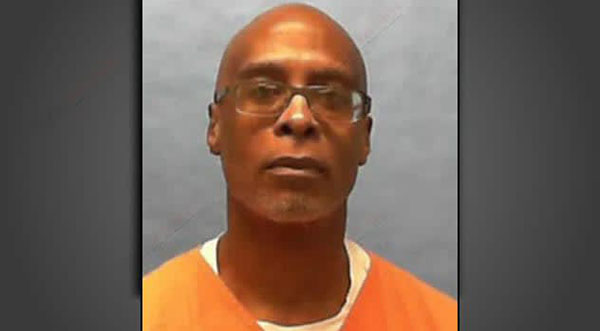
In 1991, Willacy was tried and convicted on multiple severe charges—first-degree murder, premeditated murder, burglary with 𝒶𝓈𝓈𝒶𝓊𝓁𝓉, robbery with a firearm, and arson. Though the jury recommended the death penalty, legal wrangling overturned his initial sentence, prolonging the process through multiple retrials and appeals.
Over the last three decades, Willacy’s sentence was reaffirmed amid extended litigation. The Florida Supreme Court reversed and then reinstated his death penalty after a second sentencing jury’s recommendation. Federal courts repeatedly denied his appeals, and his case became emblematic of the drawn-out complexity of capital punishment legal proceedings in America.
The landscape shifted in early 2026 when Willacy’s lawyers demanded transparency on Florida’s lethal injection protocols. 𝒶𝓁𝓁𝑒𝑔𝒶𝓉𝒾𝓸𝓃𝓈 of expired drugs, incomplete dosages, and unapproved substances raised serious ethical and legal questions. The state’s silence to public records requests intensified scrutiny just days before Governor Ron DeSantis signed Willacy’s death warrant.
Legal advocates argue the timing of the death warrant signing, so close to the records request, raises profound concerns. The refusal to provide information necessary to verify the execution’s lawfulness raises critical constitutional issues under the Eighth Amendment. Willacy’s attorneys have petitioned the Florida Supreme Court to compel transparency.
Florida’s aggressive execution pace adds urgency to this case. In 2025, the state shattered records with 19 executions, surpassing all others. In 2026 alone, six death warrants have been signed, including for Ronald Heath, Melvin Trotter, Billy Leon Curse, Michael King, and now Chadwick Willacy—each case stirring public debate on justice and fairness.
Willacy, who now identifies as Khaliil, is described by advocates as a changed man, transformed by decades of prison, faith, and rehabilitation programming. His defense highlights this evolution in the face of an inexorable system gearing up for a lethal injection that will test Florida’s handling of justice and human rights.
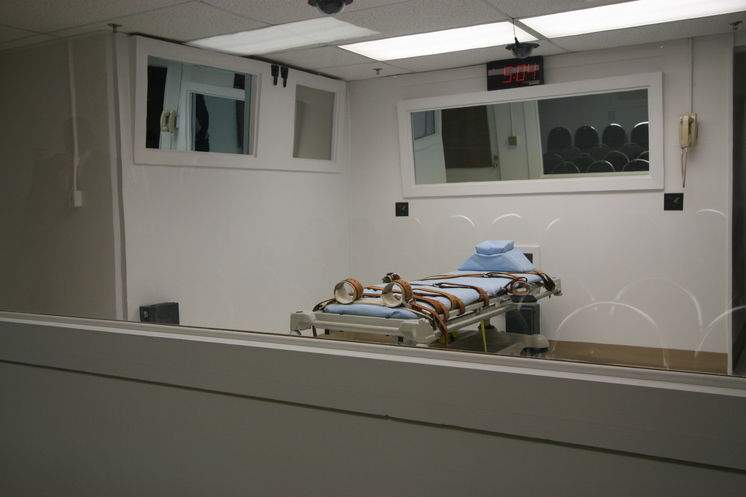
By 6:00 p.m. EDT on April 21, 2026, unless halted by the courts, Florida will carry out Chadwick Willacy’s execution at the State Prison in Starke. This moment culminates a harrowing legal saga enveloped
in wider controversies over the death penalty, leaving families, communities, and the nation grappling with profound moral and legal questions.
The pain of Marla Saether’s family, who waited 35 years for closure, remains palpable. The brutal nature of her death, her life cut short by a trusted neighbor, fuels the call for justice from those who knew her. Yet, debates over fairness, transparency, and humane treatment persist in the shadow of this case’s grim facts.
This case crystallizes the complexity of capital punishment today—the quest for justice versus process integrity, the victims’ enduring trauma versus the condemned’s rights. Florida’s deaths row system and lethal injection protocols face heightened scrutiny as the clock ticks toward a pivotal and controversial execution.
When the hour strikes, the eyes of the nation will turn to Starke, Florida. The execution of Chadwick Willacy is more than a legal proceeding—it’s a flashpoint in a continuing national dialogue on the death penalty, accountability, and the limits of the justice system in delivering true closure.

As the scheduled execution draws near, voices on all sides urge reflection on justice served and justice denied. What this case leaves behind is a painful legacy of violence, a family’s loss, decades of fighting in courts, and unresolved questions about fairness and humanity in ultimate punishment.
The final chapter for Chadwick Willacy approaches amid a rapidly evolving legal and ethical battleground. Whether justice will be served, and at what cost, remains uncertain. What is clear is that the impact of this case will reverberate beyond Florida, shaping conversations about capital punishment for years to come.
Source: YouTube