Wade Wilson, infamously dubbed the “Deadpool Killer,” is set to face execution after being convicted of brutally murdering two women in Cape Coral, Florida, in October 2019. The heinous acts shocked the community, leading to a lengthy legal battle that culminated in a death sentence amid widespread media attention.
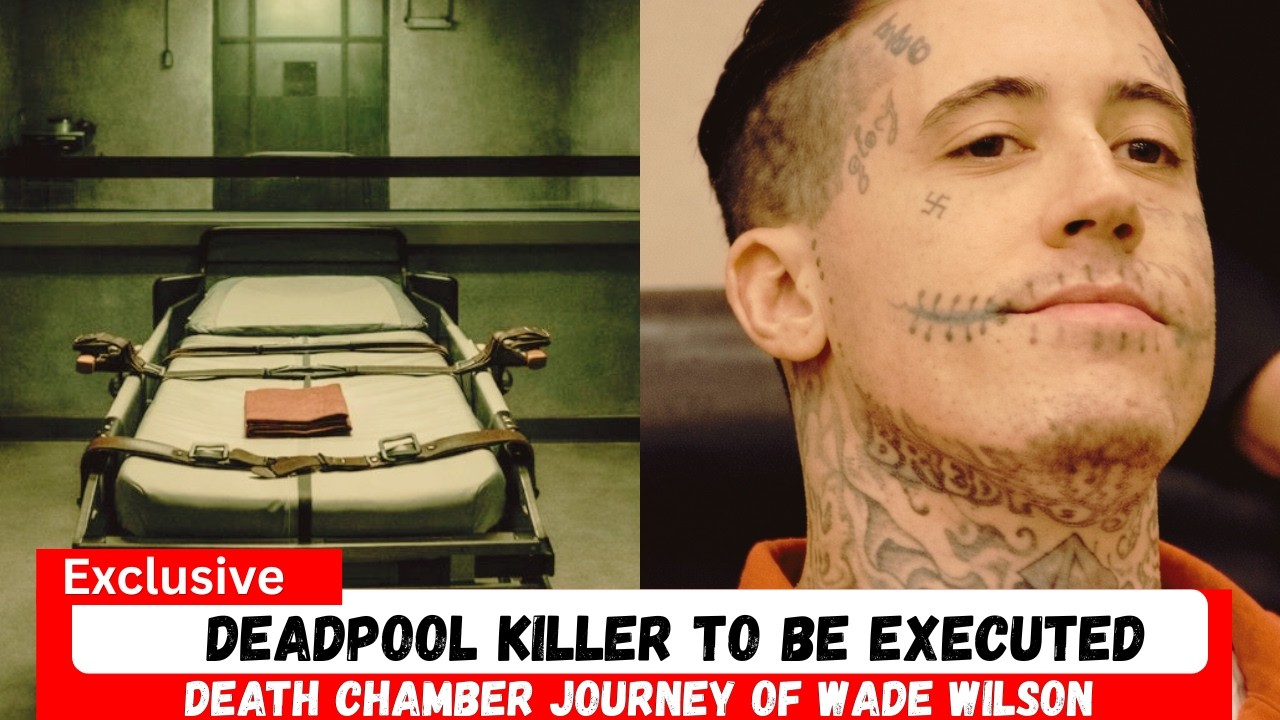 On October 6, 2019, the vibrant nightlife of Fort Myers masked the darkness that would soon unfold. As laughter and music filled the air at Buda Live, two women, Christine Melton and Diane Ruiz, unknowingly crossed paths with Wilson, a man whose violent tendencies had been previously overlooked by the justice system.
Christine, a beloved waitress, was known for her warmth and loyalty, while Diane, a dedicated bartender, was the heart of her workplace. Both women were vibrant figures in their community, yet their lives were tragically cut short by Wilson’s violent impulses, leading to a chilling narrative of murder and betrayal.
The night began innocently enough, with Christine and her friend Stephanie enjoying a night out. They met Wilson, who charmed them with his easy confidence, unaware of the chaos he was about to unleash. After leaving the bar, the trio ended up at Christine’s home, where the horror began.
 In the early hours of October 7, Wilson strangled Christine as she slept, a brutal act that left her fighting for her life. Despite her desperate struggle, she succumbed to his violence, her body found the following day, bound and lifeless. The medical examiner later confirmed the cause of death as asphyxia due to neck compression.
Wilson, undeterred by his first crime, then stole Christine’s car and drove to find his next victim. Later that morning, he encountered Diane Ruiz, who was simply walking to work. Luring her into the vehicle, he attacked once more, ultimately running her over multiple times in a horrific display of violence.
The aftermath of these murders sent shockwaves through Cape Coral. Wilson’s chilling confessions to his father and witnesses painted a portrait of a man devoid of remorse, boasting about his actions with a disturbing nonchalance. He was arrested days later, but the community was left grappling with the brutality that had unfolded.
As the trial approached, the evidence against Wilson was overwhelming. Eyewitness accounts, DNA evidence, and his own admissions painted a clear picture of guilt. Yet, the legal proceedings also highlighted the complexities of Florida’s death penalty laws, particularly the recent changes allowing non-unanimous jury recommendations for capital punishment.
In June 2024, after a swift deliberation, the jury found Wilson guilty on multiple counts, including first-degree murder. The families of Christine and Diane, devastated yet resolute, attended the trial, seeking justice for their loved ones. Their emotional testimonies underscored the profound loss felt by the community, as they recounted the vibrant lives that were extinguished too soon.
 Wilson’s sentencing took place in August 2024, where he received two death sentences. The courtroom erupted in a mix of relief and sorrow as families embraced, knowing that justice had been served, albeit in a deeply flawed system. The implications of his case, however, extend beyond his crimes, raising questions about the fairness of retroactive laws in capital punishment.
As Wilson now resides on death row, awaiting an uncertain future, the families of his victims continue to grapple with their loss. Christine’s mother, battling Alzheimer’s, is unaware of her daughter’s fate, while Diane’s family strives to remember her spirit amidst the tragedy.
The case of Wade Wilson serves as a stark reminder of the complexities of justice, the fragility of life, and the darkness that can lurk behind a charming facade. As the community reflects on the events of that fateful night, the question remains: Did Florida’s legal system uphold justice, or did it compromise its integrity in the pursuit of a seemingly necessary outcome?