King Charles III has just confirmed that Catherine, Princess of Wales, will become the first princess in 115 years to hold royal warrants, officially granting her the authority to endorse British businesses. This historic move signals a monumental shift in royal duties and commercial influence set to transform the British monarchy’s relationship with industry.

The announcement sent shockwaves through royal circles and business communities alike. For the first time since Princess Mary of Teck’s era in the early 20th century, a Princess of Wales will wield the formal power to grant royal warrants. This authority, previously reserved for the reigning monarch and select royals, marks Catherine’s unprecedented elevation.
Royal warrants have long symbolized the crown’s seal of quality and trustworthiness. Awarded to companies supplying goods or services to the royal household, these warrants are a prestigious endorsement underpinning Britain’s heritage of craftsmanship and commercial excellence. Catherine’s involvement brings fresh relevance to this centuries-old tradition.
King Charles’s decision integrates the Princess of Wales into a historic system that profoundly affects British commerce. Starting in 2026, both Prince William and Catherine will have the power to grant royal warrants, enabling them to recognize businesses that meet the rigorous standards demanded by the crown. Applications open May to June 2026.
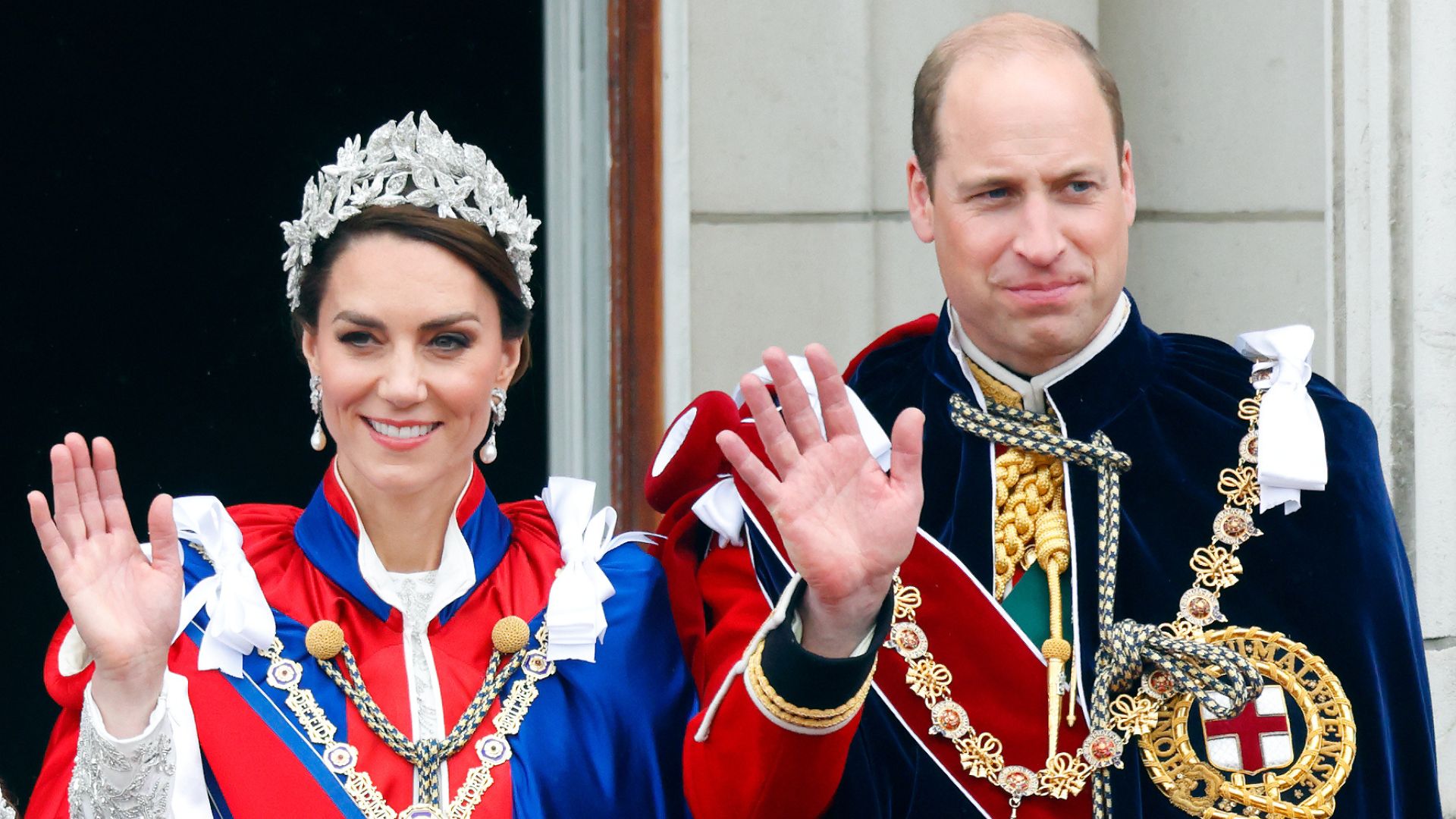
This structural change is about more than ceremony. It empowers Catherine with a tangible role in shaping which British companies receive one of the highest endorsements in the nation. Her established cultural influence, often dubbed the “Kate effect,” now gains formal authority, blending historic prestige with modern economic impact.
Until now, Catherine’s influence on fashion and consumer trends was informal—her choices causing products to sell out rapidly worldwide. The royal warrant authority transforms this popularity into official endorsement, offering companies not only exposure but the solid backing of the royal institution, vital for business growth and reputation.
Historically, the system has maintained exclusivity and careful control. The monarch alone decides which royals can grant warrants. Queen Camilla currently holds this power, but Catherine’s addition introduces a new dynamic, positioning two women from different generations with overlapping spheres of royal influence, signaling a significant shift in palace hierarchy.
The last Princess of Wales to hold similar authority was Princess Mary of Teck, before Queen Mary. Since then, this role remained vacant despite the high public profile of figures like Princess Diana. Catherine’s appointment breaks this century-long gap, highlighting a purposeful modernization and generational transition in royal responsibilities.
For British industries, this change promises substantial economic and cultural benefits. Royal warrants can transform small artisans and regional companies into nationally and internationally recognized brands. Catherine’s elevated role means her endorsement will carry unparalleled prestige, amplifying the traditional benefits of royal warrants with her global visibility.
King Charles’s move clearly prepares the monarchy’s future leadership by delegating significant institutional responsibilities to the next generation. While Prince William already manages extensive duties, Catherine’s new authority through the royal warrant system complements this, blending ceremony, commerce, and cultural identity into her royal portfolio.
This adjustment reflects a broader royal strategy to maintain relevance in modern Britain. It bridges historic practices with today’s socio-economic landscape, empowering royal figures to engage actively with British industry while preserving heritage. The system’s evolution demonstrates how the crown plans to sustain influence amid contemporary challenges.
Within the palace, this development reflects a subtle power redistribution. The inclusion of Catherine alongside Queen Camilla in the warrant granting capacity hints at an evolving internal balance. It underscores the rise of William and Catherine as pivotal figures shaping royal protocol, tradition, and Britain’s international image in the decades ahead.
Catherine’s role extends beyond fashion or charitable endeavors; it grants her a formal, institutional link to British commerce. She will help uphold standards of excellence that define national identity and global perceptions of British craftsmanship. This formalization of influence signals a new era of royal engagement with the economy.
Royal experts note this historic reintroduction of the Princess of Wales to the royal warrant system as a profound constitutional moment. It exemplifies a transition from ceremonial symbolism to active responsibility, enhancing how the monarchy supports traditional industries and crafts vital to Britain’s economic and cultural fabric.
The royal warrantsystem itself dates back centuries, enduring as a cornerstone of the monarchy’s connection to British businesses. Receiving a warrant has always been more than honor—it’s a powerful economic endorsement that reassures consumers of unparalleled quality and royal trust. Catherine’s authority revitalizes this historic institution.
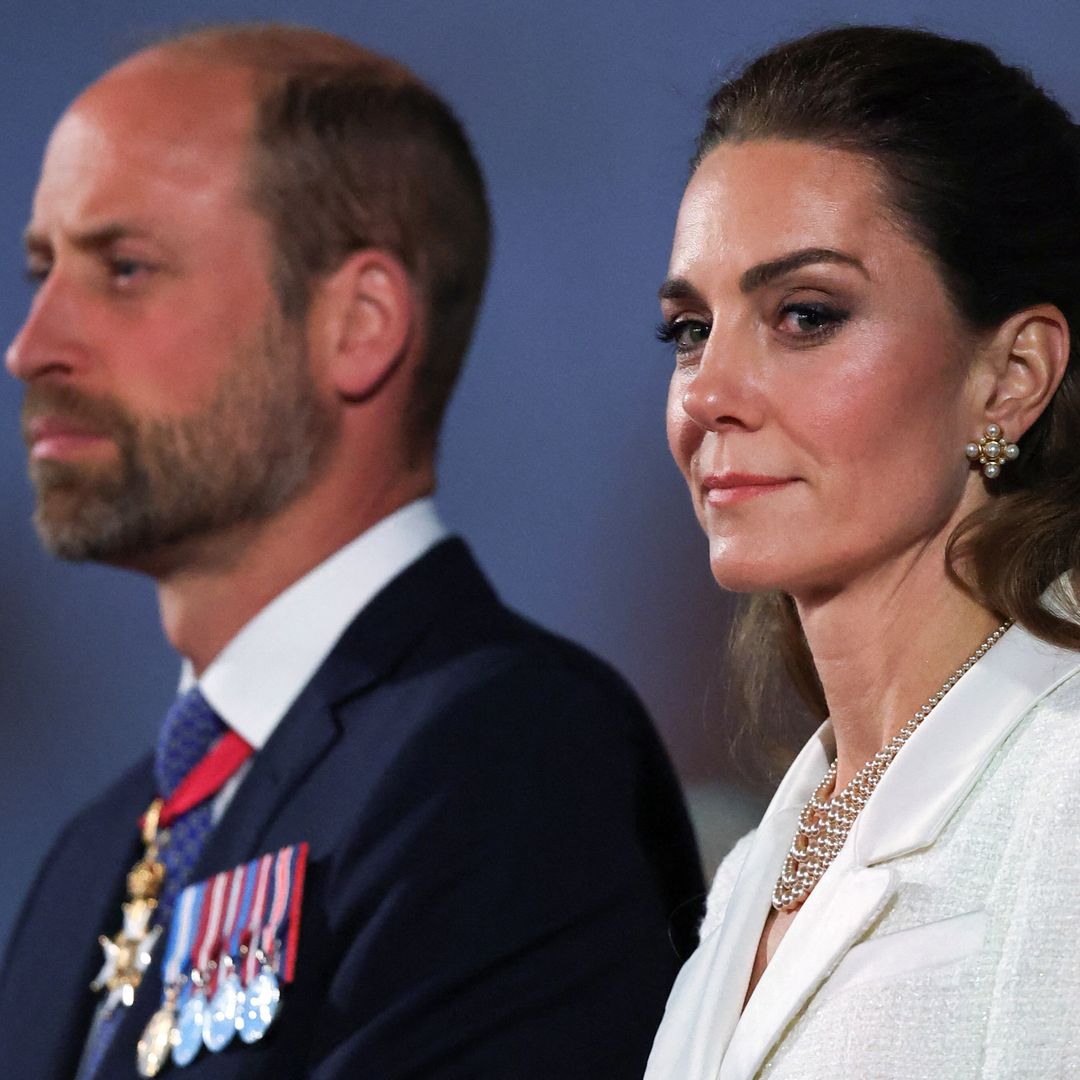
The extended royal warrant powers granted to Catherine come at a time when her public role has matured considerably. Once recognized mainly for style and charity, she now gains a structured role influencing commercial endorsement. This marks an evolution in modern monarchy where influence blends visibility with formal responsibility.
Businesses aspiring to royal recognition will soon apply through a system open from May to June 2026. This structured application process ensures only those meeting exacting standards receive warrants. Catherine’s participation in this rigorous review underscores the seriousness and prestige associated with the royal warrant, safeguarding the crown’s dignity.
Analysts expect this move to amplify the impact of the so-called Kate effect. Now, Catherine’s endorsement will carry institutional weight, potentially accelerating the rise of British brands domestically and worldwide. This fusion of royal tradition and contemporary culture elevates the monarchy’s role as both symbolic and active driver of economic influence.
Catherine’s royal warrant authority promises significant benefits for artisans, craftsmen, and manufacturers, particularly those embodying British heritage. This role allows her to highlight excellence across industries from fashion to furniture, agriculture to artisan foods, reinforcing the crown’s historic mandate of promoting national craftsmanship and quality.
This decision also symbolizes a broader generational handover. King Charles delegates key elements of monarchical engagement to William and Catherine, smoothing the transition toward their future reign. It conveys confidence in Catherine’s judgment and marks her as a principal figure within the monarchy’s evolving hierarchy, tasked with sustaining royal prominence.
The historical significance of this announcement cannot be overstated. After more than a century, a Princess of Wales joins the ranks of royal warrant granters, rekindling a dormant royal tradition. This carefully considered revival reasserts the monarchy’s connection to Britain’s rich commercial heritage and provides a blueprint for future royal duties.
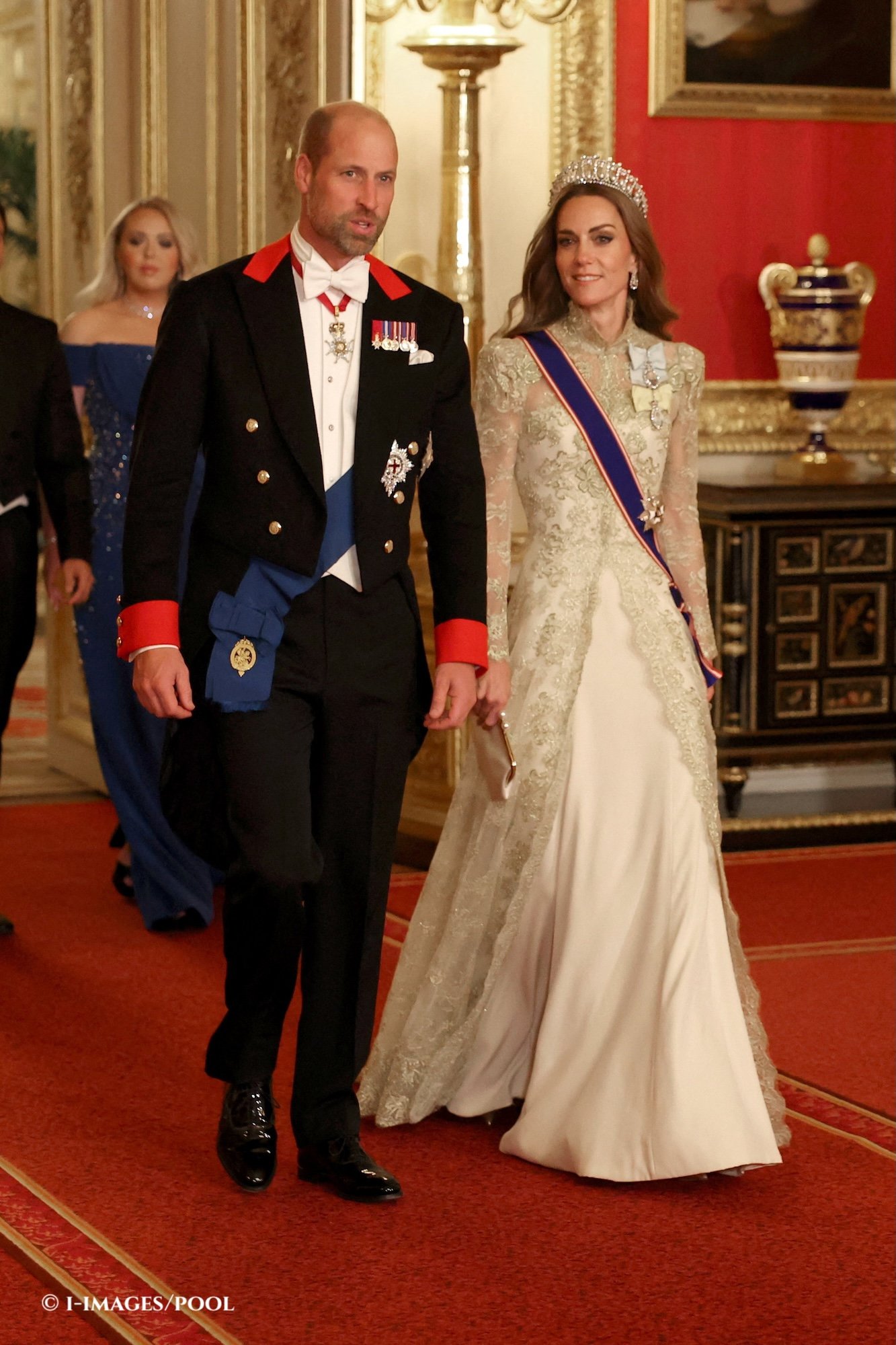
In sum, King Charles’s confirmation of Catherine’s royal warrant power redefines her role within the monarchy and the nation. It weaves centuries-old royal traditions with the dynamic influence of contemporary royalty, ensuring the crown’s active presence in British commerce while heralding a transformative chapter in royal history.
As Britain anticipates the opening of the new royal warrant application process in 2026, the eyes of the world remain fixed on how this historic empowerment of Catherine, Princess of Wales, will reshape both the royal institution and the economic fortunes of those privileged to bear the royal seal of approval.
Source: YouTube