Major new claims are emerging from a detailed analysis of decades-old Apollo mission data and recent lunar observations, reigniting fierce debate over humanity’s historic journeys to the moon. A comprehensive review of video transcripts, photographic evidence, and scientific data points to a series of unresolved anomalies that prominent skeptics argue challenge the official narrative.
The central question fueling this resurgence is the fifty-year hiatus in crewed lunar missions. Following six successful landings between 1969 and 1972, human boots have never again touched the regolith. NASA has consistently cited shifting budgetary priorities and a focus on other celestial targets, but this prolonged absence continues to seed doubt among a significant segment of the public.
One of the most persistent controversies involves the original high-quality telemetry tapes of the Apollo 11 moonwalk. NASA confirmed in 2006 that these master recordings were lost, later stating they were among 200,000 tapes magnetically erased and reused. Critics find the accidental destruction of such pivotal historical records implausible, suggesting it conveniently obscures the raw, unaltered footage from independent analysis.
Photographic evidence from the lunar surface is under renewed scrutiny. Conspiracy theorists highlight the iconic visor reflection in Buzz Aldrin’s helmet, which shows Neil Armstrong apparently without a camera, raising questions about who operated the equipment. NASA maintains the camera was mounted on Armstrong’s chest bracket, but the angle in the reflection remains a focal point for skeptics.
Further allegations point to physical artifacts. Following the Apollo 11 mission, the U.S. Ambassador to the Netherlands presented a “moon rock” to the Dutch Prime Minister. Subsequent analysis revealed the specimen to be petrified wood, a revelation the U.S. Embassy could not explain. This incident is frequently cited as evidence of disingenuous relic distribution.
The behavior of the planted American flag also remains a topic of debate. Video clearly shows the flag appearing to wave and ripple after being planted. With no atmosphere or wind on the moon, NASA physicists explain this was caused by the inertia from the astronauts manipulating the horizontal rod and the flag’s own rigid construction, but the visual continues to provoke questions.
Technical inconsistencies in imagery are a major pillar of the hoax argument. Several photographs, including those from Apollo 15, appear to show identical backdrops despite being allegedly taken miles apart. NASA attributes this to the moon’s smaller size and lack of atmospheric haze, making distant objects appear similarly positioned, a phenomenon unfamiliar to the human eye accustomed to Earthly horizons.

More subtle details are also in question. The reticle crosshairs imprinted on camera lenses for scaling are seen in some images to appear behind objects, such as the flag or lunar rover, suggesting potential photo compositing. Additionally, the complete absence of stars in all lunar surface photos is cited, with NASA explaining the bright lunar surface and short camera exposure times washed them out.
The tragic 1967 Apollo 1 fire that killed astronauts Gus Grissom, Ed White, and Roger Chaffee is woven into darker narratives. Grissom was a known critic of the program’s preparedness, famously hanging a lemon on the simulator. Some alternative theories suggest the fire was not an accident but a deliberate act to silence dissent, though no credible evidence supports this.
Questions extend to the astronauts’ safety during transit. The journey required passing through the Van Allen radiation belts, zones of intense trapped solar radiation. Skeptics argue the aluminum spacecraft hull would have been insufficient shielding, but NASA maintains the high-speed trajectory limited exposure to a safe, cumulative dose.
The astonishing photographic quality achieved by astronaut-amateurs under extreme duress is also noted. Compared to typical family photos of the era, the clarity, composition, and lack of motion blur in the lunar images are striking. Detractors suggest these points to a controlled studio environment with professional-grade lighting and direction.
This theory directly implicates filmmaker Stanley Kubrick, whose 1968 film “2001: A Space Odyssey” demonstrated unparalleled visual realism. Conspiracy lore suggests NASA enlisted Kubrick to stage the landings. Proponents point to alleged symbolism in his later film “The Shining,” including a character wearing an Apollo 11 sweater and the ominous Room 237, a reference to the moon’s average distance of 237,000 miles from Earth.
Motivation for a potential hoax is framed within the intense pressure of the Cold War. After President Kennedy’s 1961 pledge, beating the Soviet Union to the moon became a paramount national security and prestige objective. The staggering cost and technological hurdles, some argue, could have motivated an elaborate deception to claim victory.
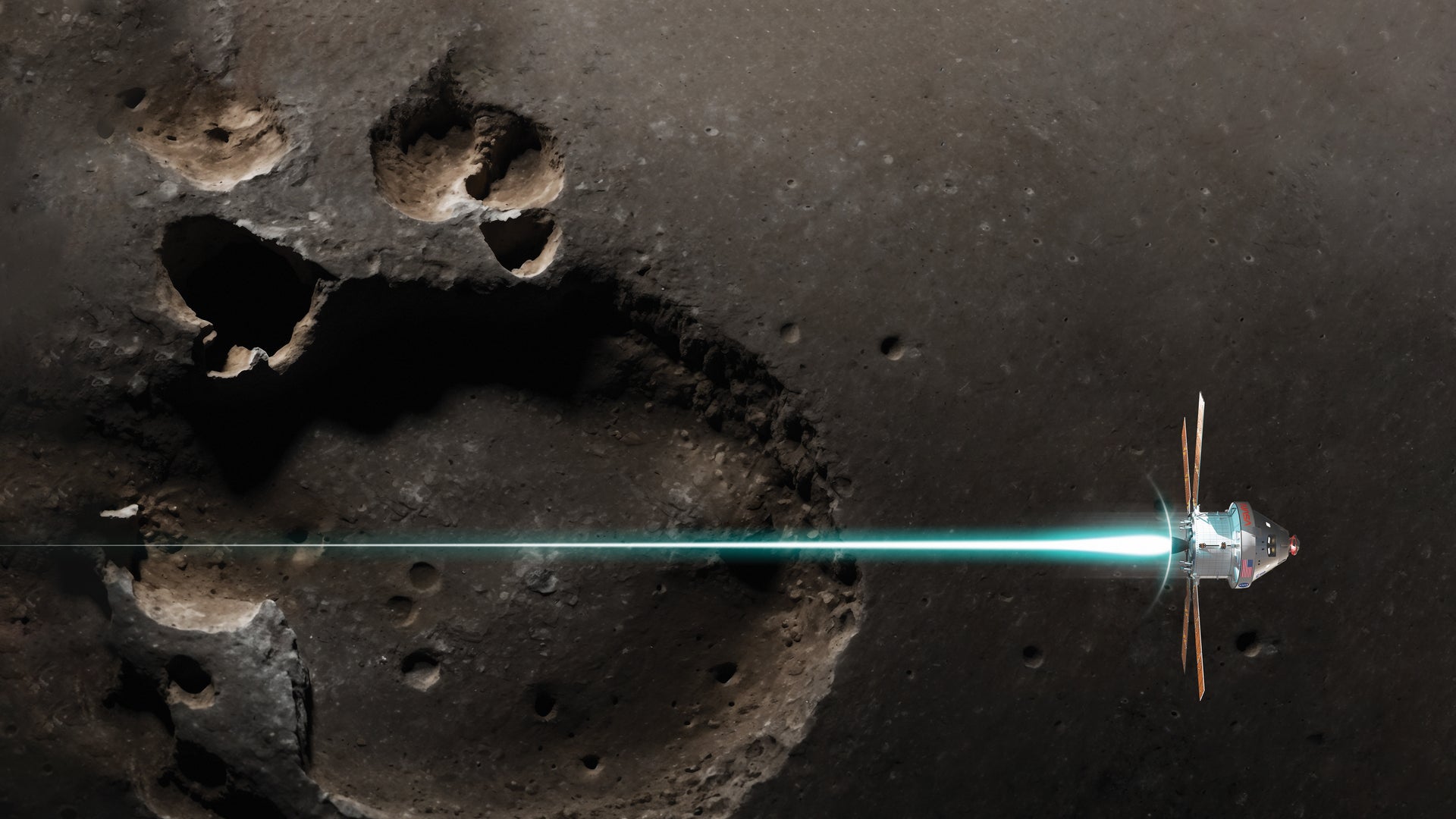
Beyond hoax theories, other anomalies suggest hidden lunar secrets. Astronauts reported unexplained “strange radio signals” during the Apollo 11 mission, which NASA dismissed as interference. Images allegedly show unusual, geometrically perfect structures and shadows resembling pyramids or domes, which scientists attribute to pareidolia—the human tendency to see familiar patterns.
The concept of a “Hollow Moon” gained traction after Apollo 12 astronauts intentionally crashed their lunar module ascent stage. Seismic sensors recorded vibrations lasting over an hour, described as the moon “ringing like a bell.” While geologists state this indicates a dry, rigid interior structure, others interpret it as evidence of vast hollow spaces.
Recent data from China’s Chang’e missions adds new layers. The Yutu-2 rover discovered a mysterious “gel-like” substance in a crater, later identified as impact melt glass. Its ground-penetrating radar also revealed complex, layered subsurface structures down to 300 meters, suggesting a violent volcanic history and potential subsurface cavities.
A 2024 paper from researchers affiliated with Harvard University’s Human Flourishing Program controversially discussed the “cryptoterrestrial” hypothesis. It posits that Unidentified Anomalous Phenomena (UAP) could be explained by beings residing in hidden lunar bases or even underground on Earth, a theory that, while fringe, has entered academic discussion.
Practical dangers may also deter return. Lunar dust, or regolith, is sharp, abrasive, and chemically reactive. Astronauts experienced “lunar hay fever,” and studies show it can destroy lung and brain cells. Furthermore, the moon experiences deep “moonquakes” that can last for hours, posing a serious risk to any permanent habitat.
China’s ongoing lunar exploration continues to yield puzzling finds. The Yutu-2 rover imaged a distant cubic object dubbed the “Mystery House,” though it was later identified as a boulder. The far side also hosts the massive South Pole-Aitken basin and the Compton–Belkovich Thorium Anomaly, a region of unexplained radioactive heat and suspected volcanic activity.
The enduring mystery of the “Lunar Swirls”—bright, swirling patterns on the surface that correlate with magnetic anomalies—remains unsolved. Simultaneously, astronomers have cataloged thousands of Transient Lunar Phenomena (TLP), fleeting flashes and glows that defy easy explanation, hinting at possible outgassing or other dynamic processes.
With NASA’s Artemis program aiming to return humans to the lunar surface by 2026, these decades-old questions are reaching a fever pitch. The new missions promise higher-resolution data and prolonged stays, which could either finally lay these conspiracy theories to rest or uncover truths far more astonishing than anyone has dared to imagine. The world watches, waiting for the next chapter in the moon’s enduring story.
Source: YouTube