In a harrowing culmination of justice, U.S. Army veteran Jeffrey Hutchinson was executed on May 1, 2025, for the brutal 1998 murders of his girlfriend and her three children in Crestview, Florida. Pronounced dead at 8:15 PM, Hutchinson’s case raises profound questions about mental health and accountability.

The chilling events unfolded on September 11, 1998, when Hutchinson, after a domestic argument, shot his girlfriend, Renee Flaherty, and her children, Jeffrey, Amanda, and Logan. A 911 call revealed his confession: “I just shot my family,” a stark admission that would haunt the community for decades.
Hutchinson’s defense hinged on claims of PTSD and Gulf War-related mental health issues, arguing that his military experience altered his psyche. Despite these claims, the evidence against him was overwhelming: gunshot residue on his hands, his weapon at the scene, and a voice identification from the 911 call.
The prosecution painted a clear picture of guilt, asserting that Hutchinson’s changing narrative—initially claiming intruders—was a desperate attempt to evade responsibility. The jury found him guilty of four counts of first-degree murder in 2001, leading to a life sentence and three death penalties.
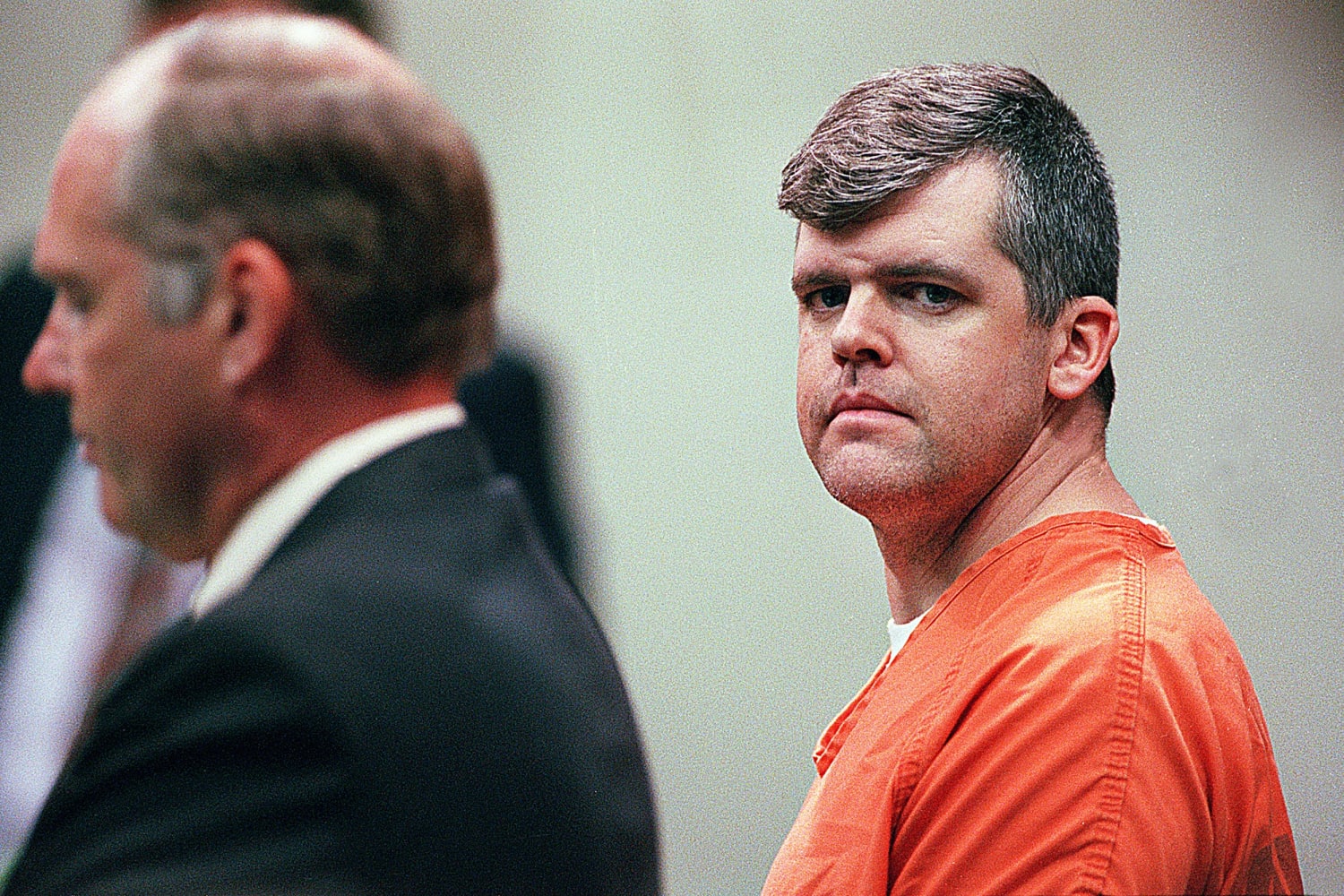
As Hutchinson’s appeals continued for over two decades, advocates for veterans’ rights rallied around him, arguing that his mental state deserved more scrutiny. However, Florida courts consistently rejected his appeals, culminating in Governor Ron DeSantis signing his death warrant in 2025.
In the final days leading up to his execution, Hutchinson’s lawyers argued he was not mentally competent to be executed, claiming he believed he was being persecuted rather than punished. However, the courts ruled he understood the reasons for his execution, clearing the way for the lethal injection.

Witnesses reported that Hutchinson mumbled to himself as the execution began, offering no final statement. The process lasted just over 15 minutes, marking the end of a case that has left lasting scars on a community and deep questions about justice, mental health, and the impact of war.
The tragic loss of Renee and her children remains a painful memory for their family, who have stated that no legal outcome can restore what was taken from them. Hutchinson’s execution closes a chapter, but the broader conversation about trauma and accountability continues, leaving a complex legacy that will resonate for years to come.