A military jury has sentenced the Fort Hood gunman to death, finalizing a legal saga that exposed catastrophic institutional failures and left a nation grappling with the preventable murder of thirteen service members and civilians.
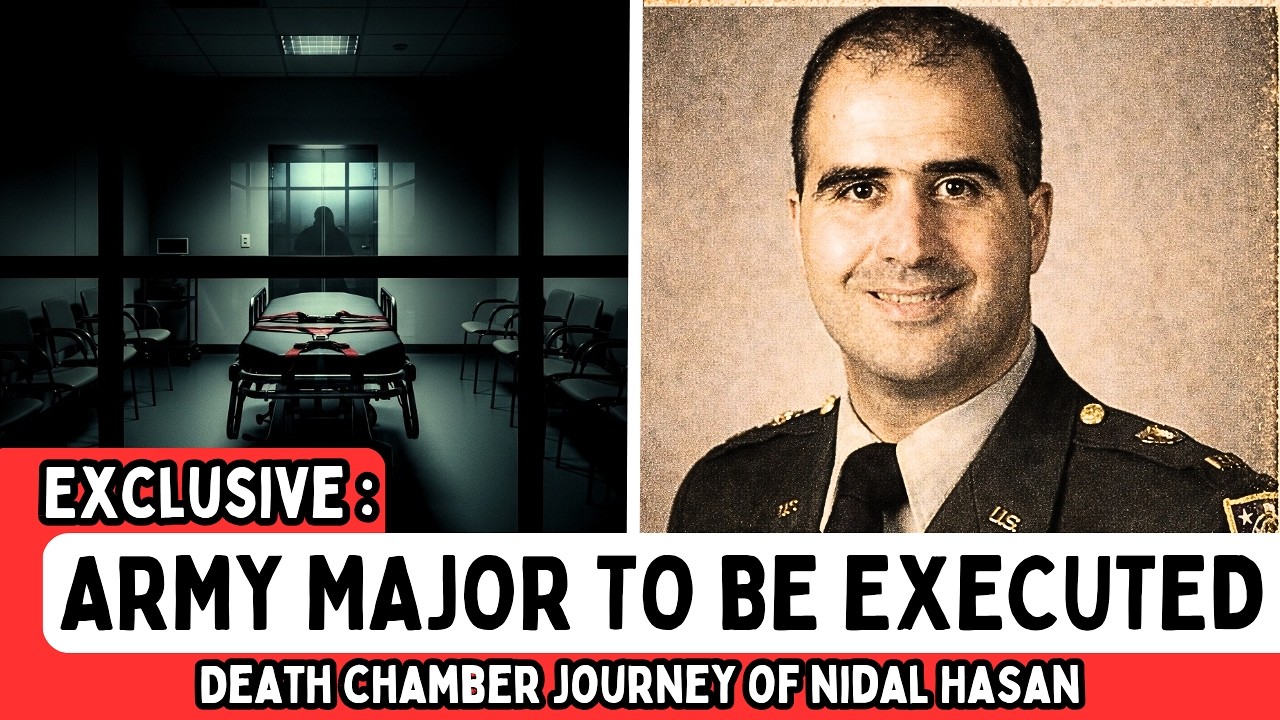
Major Nidal Malik Hasan, the U.S. Army psychiatrist who carried out the 2009 massacre, will be executed by lethal injection. The sentence, upheld by the Supreme Court, marks the first U.S. military execution in over six decades.
The verdict closes the courtroom chapter but reopens profound questions about accountability. A Senate investigation later concluded the attack was “preventable,” citing a trail of ignored warnings within both the Army and the FBI.
Hasan opened fire inside the Soldier Readiness Processing Center at Fort Hood on November 5, 2009. He killed thirteen and wounded more than thirty others in a meticulously planned assault, shouting “Allahu Akbar” as he shot.
For over ten minutes, he moved methodically through the crowded medical building. Survivors testified he targeted uniformed personnel, pausing to reload his FN 5.7 semi-automatic pistol with chilling calm amid the chaos.
The victims included soldiers preparing for deployment, seasoned officers, and civilian healthcare workers. Among them was Private Francheska Velez, 21, who had returned from Iraq three days earlier and was three months pregnant.
Hasan’s path to violence was documented in official files years before the attack. During his psychiatry residency at Walter Reed Army Medical Center, supervisors filed formal memos citing his lack of professionalism and patient safety concerns.
He introduced religion into therapy sessions and presented an academic talk arguing that Muslim soldiers should not deploy to Muslim nations. A review board discussed whether his behavior indicated psychosis, but took no action.
Perhaps the most glaring failure involved the FBI. From December 2008, Hasan sent 18 emails to Anwar al-Awlaki, the radical cleric already under intense U.S. surveillance. He asked if it was religiously permissible to kill American soldiers.
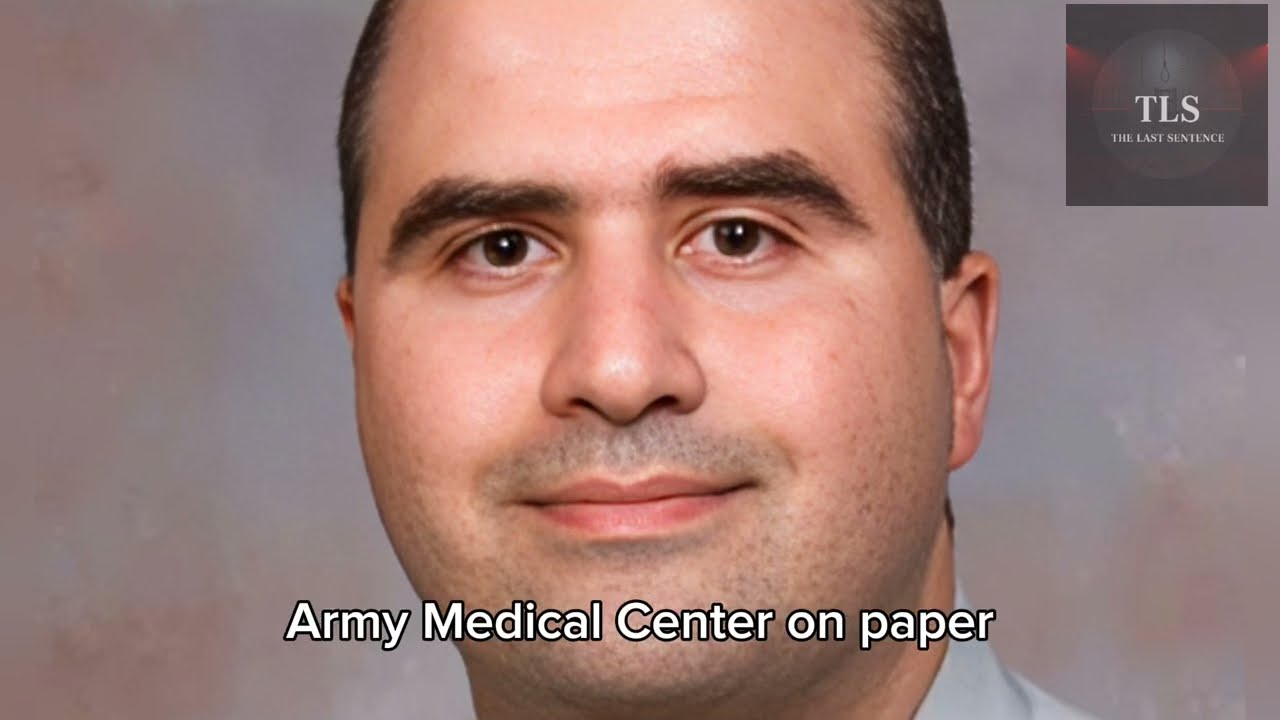
The FBI’s Washington Field Office intercepted the communications. Agents conducted an assessment, but in a critical error, never coordinated with the San Diego office monitoring al-Awlaki. They deemed the emails consistent with research.
His file was closed. No one connected the online inquiries to the alarming reports in his Army personnel file. Eleven months later, Hasan attacked.
Army procedures equally failed. Despite his documented performance issues and extremist leanings, Hasan was promoted to Major in May 2009. His concerning evaluation was forwarded to his new command, which assigned him anyway.
In the weeks before the attack, Hasan purchased a high-capacity pistol and over 3,000 rounds of ammunition. He practiced at a local range, achieving consistent accuracy. Neighbors reported him giving away all his belongings.
The Department of Defense initially classified the massacre as “workplace violence,” not terrorism. This denied survivors Purple Hearts and full combat-related benefits, a decision that sparked outrage and a years-long legal fight.
Congress ultimately intervened, authorizing the awards in 2015. For many families, the bureaucratic struggle compounded their grief, representing a second betrayal by the institution their loved ones served.
At his 2013 court-martial, Hasan represented himself, admitted he was the shooter, and stated he had “switched sides” to become a “Mujahid.” He called no witnesses, offered no defense, and expressed no remorse.
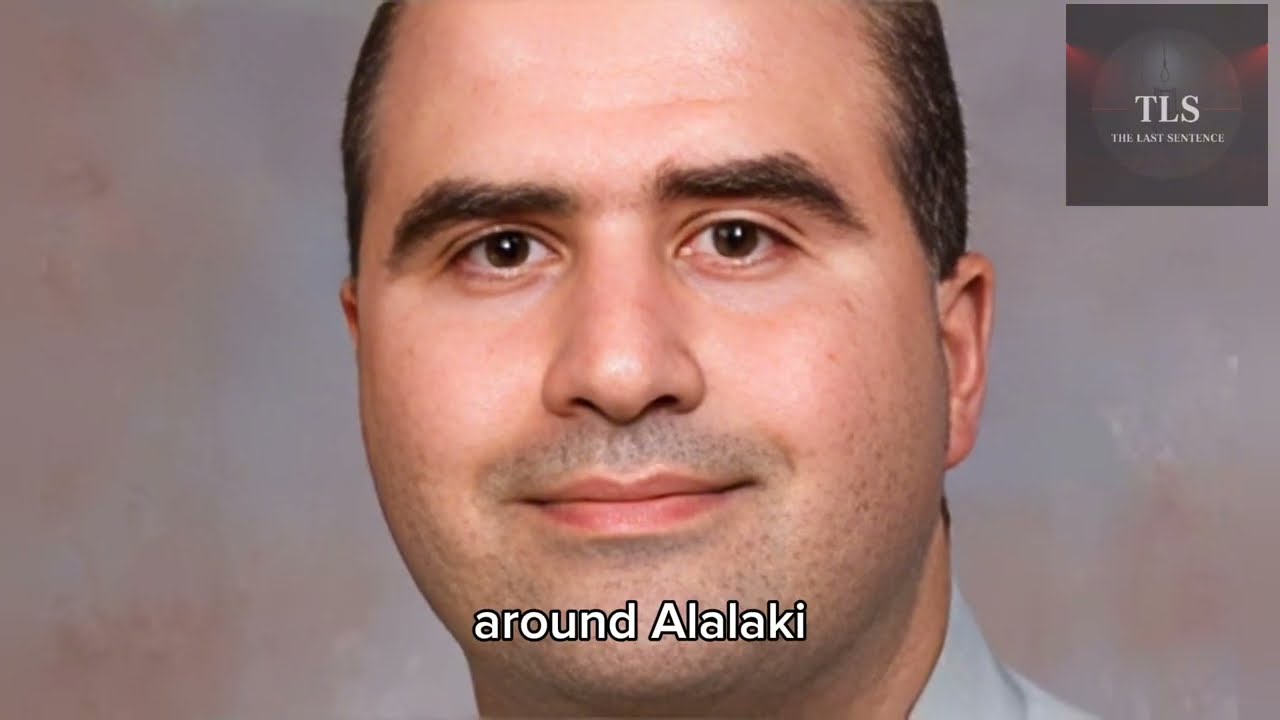
The jury convicted him on 45 counts of murder and attempted murder. They deliberated for seven hours before returning a unanimous death sentence. He was incarcerated at the U.S. Disciplinary Barracks at Fort Leavenworth.
The legal appeals process stretched for twelve years. The Supreme Court finally denied his last petition in March 2025, clearing the final hurdle. The Secretary of Defense is now seeking formal approval for execution from the President.
Survivors and families of the fallen have been unequivocal in their response. Many argue the execution is a necessary conclusion, though some contend true justice requires an official terrorism designation.
Staff Sergeant Alonzo Lunsford, shot seven times, stated Hasan doesn’t deserve to breathe.” The sentence brings a measure of closure but cannot erase the systemic failures that allowed a known threat to proceed unchecked.
The Fort Hood massacre stands as a brutal testament to the cost of institutional silos and miscommunication. Thirteen lives were lost not to a hidden enemy, but to one whose radicalization was seen, documented, and ultimately ignored.