A Texas inmate was executed by lethal injection Tuesday evening for the 2009 murders of his wife and her six-year-old daughter, a crime prosecutors said was a premeditated act of vengeance after she sought to end their brief marriage. Gary Green, 51, received a lethal dose of pentobarbital at the state penitentiary in Huntsville and was pronounced dead at 7:07 p.m., nearly 14 years after the brutal killings that orphaned two young boys.
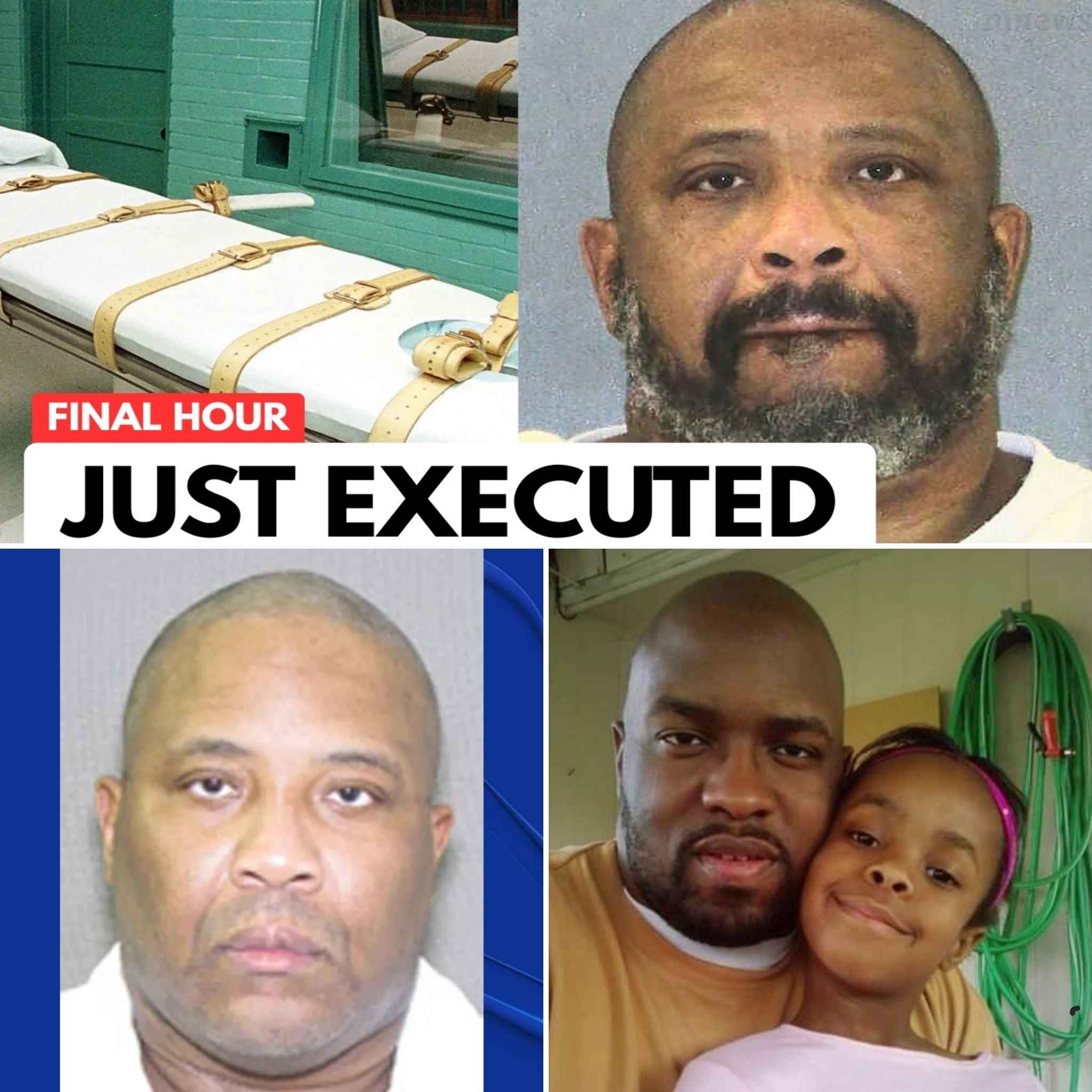
The execution culminated a long legal battle where defense attorneys argued Green’s severe, untreated mental illness and borderline intellectual functioning should have spared him the death penalty. Courts at every level, including the Texas Court of Criminal Appeals, rejected those appeals in recent weeks, allowing the state’s fourth execution of 2023 to proceed.
Green’s final words were an apology directed at the victims’ family members watching through the execution chamber glass. “I ask that you forgive me, not for me, but for y’all,” Green said, according to official transcripts. “I want to make sure you don’t suffer. You have to forgive me to heal and move on.”
The crime that placed Green on death row was described by prosecutors as a calculated massacre born of paranoid rage. In September 2009, Green discovered his wife, 32-year-old Lovetta Armstead, was seeking an annulment. The marriage, which included her three children from a previous relationship, had deteriorated rapidly.
On the morning of September 21, Green wrote a letter outlining his intent. “You asked to see the monster. So here he is, the monster you made me,” he wrote. “There will be five lives taken today. Me being the fifth.” He detailed a plan to kill Armstead, her three children, and then himself.
That afternoon, he carried out part of that plan. After picking up Armstead’s two sons, ages 9 and 12, from church, he brought them home to a scene of horror. Their mother had been stabbed more than two dozen times. Green had then drowned their six-year-old sister, Jasmine Montgomery, in a bathtub.
Confronting the traumatized boys, Green held them at knifepoint and stabbed the younger boy in the abdomen. He forced them to look at the bodies of their mother and sister. Then, in a desperate act of persuasion, the two children talked him out of killing them. Green fled, later attempting suicide before turning himself in to the police.

At his 2010 trial, prosecutors presented a straightforward case, highlighting Green’s premeditated letter and his history of violence against women. Before Armstead, Green had stabbed and strangled one ex-girlfriend and strangled another to unconsciousness. The jury found he would pose a future danger, a necessary finding for a death sentence under Texas law.
The defense argued Green was in the grip of a severe psychotic episode at the time of the murders. Expert testimony indicated he likely had schizoaffective disorder, a condition blending schizophrenia and mood disorder symptoms, which profoundly distorted his reality. He had received a diagnosis just weeks before the killings, but could not afford the prescribed medication.
In the years following his conviction, Green’s appellate lawyers centered their appeals on his mental capacity and illness. They argued his original trial team failed to adequately present the depth of his mental illness to the jury. They also contested that his intellectual functioning, with an IQ score recorded as low as 78, should have made him ineligible for execution.
Those efforts continued until the final days. Less than two weeks before the execution, his attorneys wrote to Dallas County District Attorney John Creuzot, asking him to support a delay. Creuzot, who had previously expressed concern for defendants with cognitive challenges, did not respond or intervene.

The execution process itself took longer than usual, lasting approximately 33 minutes from the start of the drug administration. Officials reported difficulty finding veins, eventually using one in his right arm and another on the top of his left hand. As the drug took effect, Green thanked prison staff and referred to his fellow death row inmates as “beautiful human beings.”
In the witness room, family members of the victims watched. Jasmine Montgomery’s father, Ray Montgomery, attended and later spoke to reporters. He said he did not cheer the execution but saw it as the justice system doing what it was supposed to do.
The two surviving sons, Jerome and Jarrett, now adults, carry the memory of that day. As children, they faced the man who killed their mother and sister and pleaded for their own lives. Their experience stands as a stark testament to the crime’s enduring trauma, separate from the legal proceedings that ended tonight.
Green was the 63rd person convicted in Dallas County to be executed since 1982, making the county second only to Harris County in Texas for total executions carried out. He received no special last meal, as the state eliminated that tradition in 2011. His final dinner was the same as that served to the general prison population.
With his death, the state closed a case that lay bare the catastrophic intersection of domestic violence, untreated mental illness, and the finality of the death penalty. The execution provided a form of closure for the state, while the family’s journey toward healing, as Green’s last statement acknowledged, remains a private and ongoing process.