A seismic decision by Israeli authorities has sent shockwaves through the religious world, as the Church of the Holy Sepulchre in Jerusalem—the revered site of Christ’s crucifixion and resurrection—has been ordered closed indefinitely. This unprecedented move comes just weeks before the annual Holy Fire ceremony, a miraculous event central to Orthodox Christian faith, plunging Easter observances into uncertainty and igniting fervent prophetic speculation.
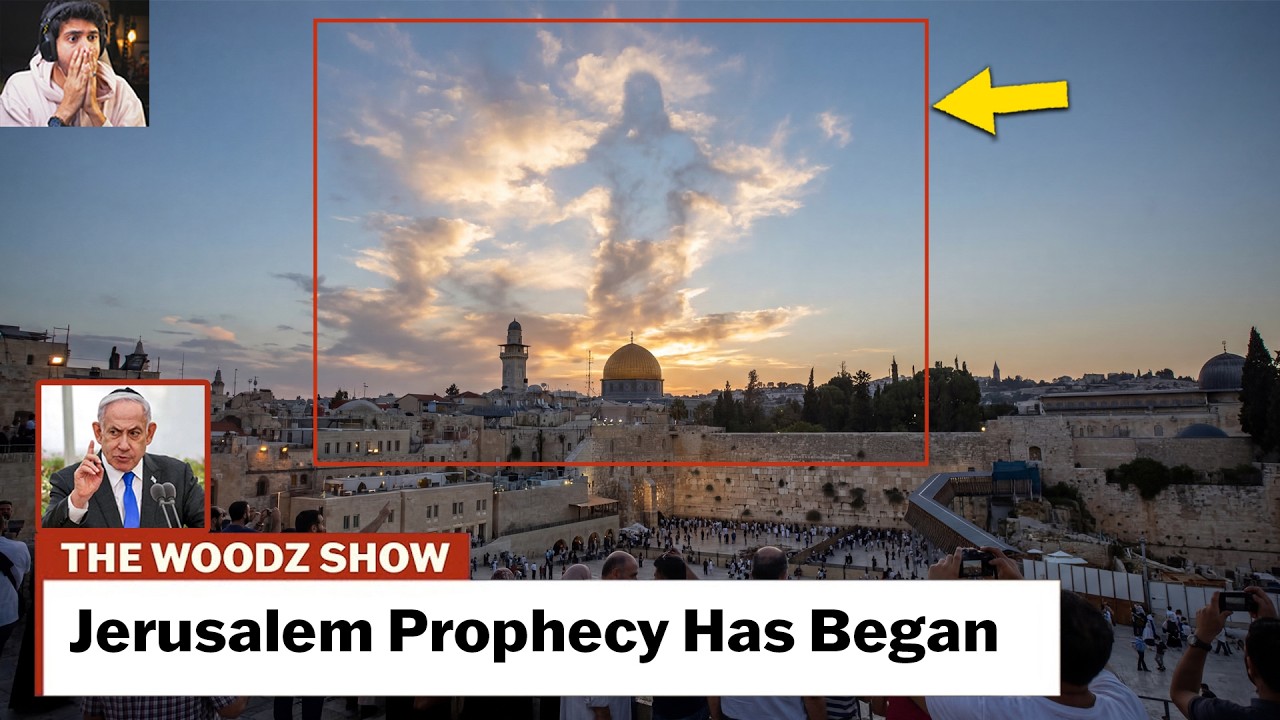
The closure, announced without a reopening date, directly impacts the ceremony scheduled for April 11. During this ancient rite, the Patriarch enters the Edicule, the tomb of Christ, to emerge with a flame that believers hold is lit by divine intervention. Pilgrims test the fire’s properties, claiming it does not burn the faithful. The Israeli government has not provided detailed public reasoning for sealing one of Christianity’s most sacred sites.
This development coincides with a dramatic escalation in regional tensions, following a direct Iranian missile barrage on Jerusalem. While Israel’s air defenses intercepted the projectiles, falling shrapnel caused significant damage in the Old City. Fragments struck near the Western Wall and the Al-Aqsa Mosque compound, and critically, blasted open a section of an ancient pathway and gate.
For many observers, these events are not merely geopolitical but deeply theological. Online commentators and some religious circles are drawing direct lines to biblical prophecy. They cite Luke 21:20, which states, “When you see Jerusalem being surrounded by armies, you will know that its desolation is near,” often interpreted as a precursor to the Second Coming.
Further focus has turned to the damaged gate. Some point to Ezekiel 44:1-2, which describes a shut gate through which only “the prince” may enter. The historic Eastern Gate, sealed by Ottoman Sultan Suleiman the Magnificent in 1541, remains walled shut. The recent missile damage to nearby structures has fueled claims that prophetic conditions are being physically manifested, with some suggesting the “breaking” of barriers precedes a messianic entry.

The confluence of events—the shuttering of the Sepulchre, the attack on Jerusalem’s holy basin, and the gate damage—has created a potent narrative among apocalyptic groups. They argue that preventing the Holy Fire ceremony, a direct link to the resurrection, during a time of war and prophetic signs, is of monumental significance. The question now haunting the faithful is whether the fire will appear in an empty, sealed tomb.
Meanwhile, broader strange phenomena are being woven into this narrative. Reports and videos of unexplained aerial sights over cities like Miami are circulating online, with some dismissing them as AI-generated or part of known conspiracy theories like “Project Blue Beam,” while others see them as the “signs in the heavens” mentioned in scripture.
Theological scholars and mainstream religious leaders urge caution, noting the Church of the Holy Sepulchre has faced closures before due to sectarian disputes or security concerns. They emphasize that historical interpretations of prophecy are complex and warn against literal, alarmist readings of current events. The Israeli government maintains its actions are solely based on immediate security assessments following the Iranian attack.

Yet, for pilgrims who have journeyed for Easter and for millions watching globally, the spiritual and symbolic weight is undeniable. Jerusalem, a city sacred to three faiths, stands at a dangerous geopolitical crossroads and a moment of profound religious anticipation. The sealed tomb, the damaged stones, and the heightened war footing have fused into a single, urgent question: are these the birth pangs of a prophesied new age, or a tragic collision of faith and conflict?
The world now watches a tense April. Will the fire descend upon a silent, empty chapel? Will the fragile peace around Jerusalem’s holy sites hold? The answers will resonate far beyond the ancient stone walls, testing the limits of faith, politics, and prophecy in a city that has long been the epicenter of humanity’s deepest hopes and fears. The coming weeks promise to be a defining chapter in the eternal story of Jerusalem.