A series of profound and alarming discoveries at the United States’ Grand Canyon is forcing a global scientific and environmental reckoning, challenging historical timelines and revealing immediate ecological threats. Geologists and paleontologists have unearthed evidence that rewrites chapters of evolutionary history, while concurrent studies expose a river system in crisis and radioactive contamination risks at this iconic World Heritage site.
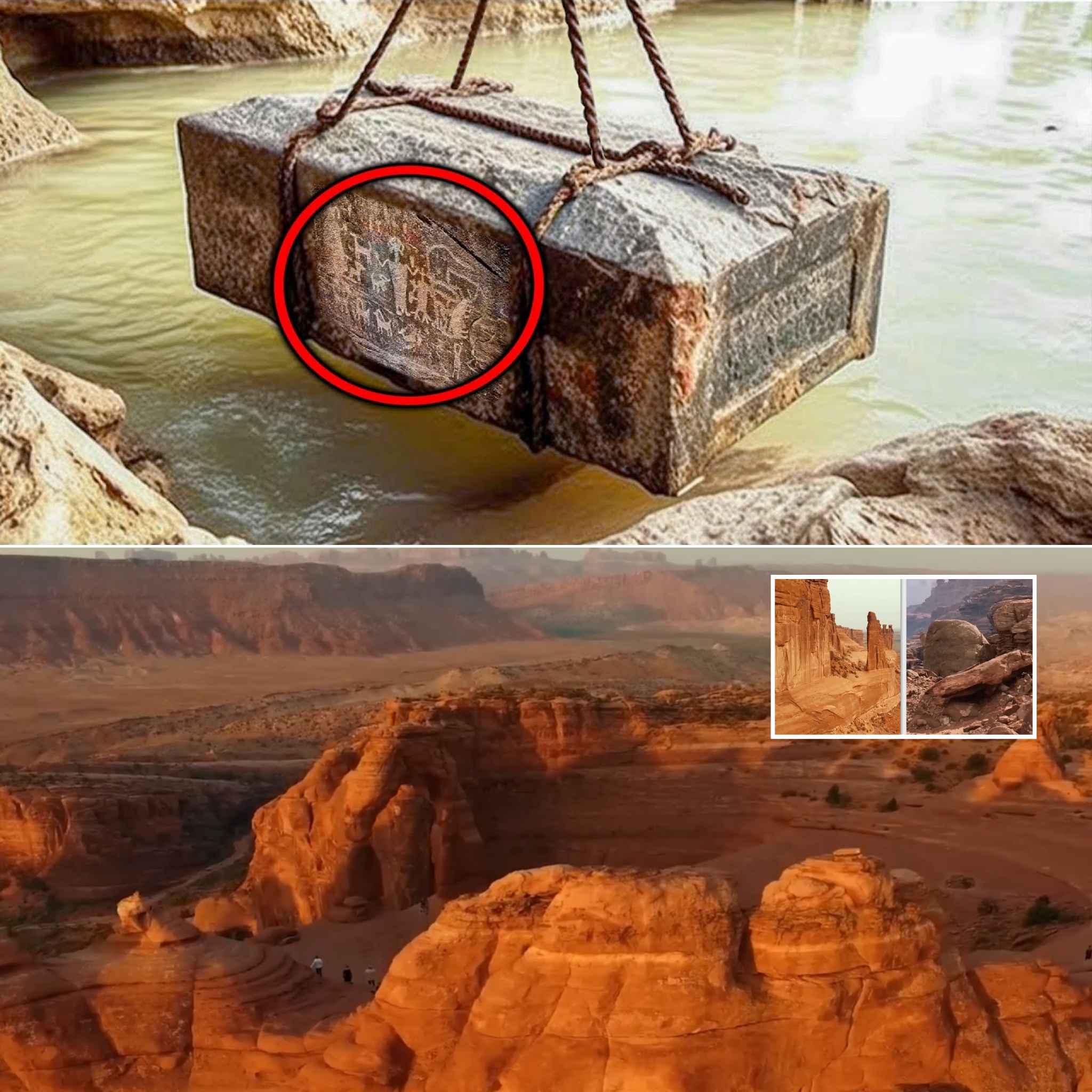
The first shock emerged from a fallen boulder along the Bright Angel Trail, where geologist Alan Krill spotted unusual markings. Paleontologist Stephen Rowland identified them as 313-million-year-old fossilized footprints, the oldest vertebrate tracks ever found in the canyon. The tracks, from reptilian amniotes, predate previous evidence by eight million years and preserve a rare diagonal walking pattern, offering an unprecedented snapshot of life in ancient dunes.
This find, while monumental, is mired in scientific controversy. Experts within the paleontological community are deeply divided over the interpretation of the tracks and the methods used to date the surrounding rock. The disagreement highlights the challenges of extracting definitive history from the canyon’s immense and complex geological record.
Separately, explorations of the canyon’s hidden caves have opened a window into the Ice Age. Remarkably preserved deposits, including piles of giant sloth dung and mummified bat remains, have been found in a pristine state due to the region’s arid climate. Analysis of 40,000-year-old plant matter in fossilized feces details the ecosystem that supported now-extinct megafauna.
More pressing than ancient history, however, is a modern-day catastrophe unfolding along the canyon floor. Scientists warn that the Colorado River, the lifeblood of the Southwest and the sculptor of the canyon itself, is rapidly approaching a state of collapse. Decades of overallocation, drought, and climate change have pushed major reservoirs like Lake Mead and Lake Powell to critically low levels.
The Glen Canyon Dam, a key piece of infrastructure, now faces a severe operational threat. Water levels have fallen so drastically that the hydropower generation capacity is compromised. Environmentalists urgently call for a re-engineering of the dam’s systems to preserve the river’s flow, vital for millions of people and the canyon’s fragile ecosystems.

Compounding the water crisis is the discovery of significant uranium deposits threatening the canyon’s aquifer. Hundreds of active mining claims surround the park, with the Pinyon Plain Mine operating near the South Rim. Tribal nations, particularly the Havasupai who live deep within the canyon, fear mining operations will poison the sacred springs that are their sole water source.
A temporary 20-year mining ban on one million acres provides limited protection, but nearly 600 claims persist on nearby lands. This has sparked a fierce political battle, with tribal and conservation groups demanding permanent protection against radioactive contamination of this natural wonder.
The human history of the canyon also reveals dark chapters. Recent recoveries of missing persons’ remains have been attributed to the vast, complex topography, where gaps in the rock strata can conceal objects for years. In one incident, the search for a missing man in 2021 led to the unexpected discovery of another individual missing since 2015, both previously hidden in the treacherous landscape.
Adding to the mystique are enduring legends like that of the Mogollon Monster, an ape-like cryptid reported in the forests of the rim. While dismissed by science, such tales contribute to the aura of mystery that surrounds the region. More tangible is the hidden luxury suite cave, built during the Cold War as a presidential bunker, now a tourist curiosity showcasing the area’s perfect preservation conditions.

The canyon’s deep human history is anchored at sites like the Tusayan Ruins, an 800-year-old Puebloan settlement. Archaeological work here, including the discovery of ancient split-twig figurines, underscores a continuous Indigenous presence spanning thousands of years, long before European contact.
That connection is embodied by the Havasupai Tribe, guardians of Supai village within the canyon. Their fight for sovereignty and land rights culminated in the 1975 return of 185,000 acres of their ancestral homeland, a testament to their enduring resilience in the face of displacement and change.
Together, these findings paint a portrait of the Grand Canyon as a living archive under siege. From revelations about the planet’s distant past to urgent warnings about its future, the discoveries emanating from these stratified red walls are a sobering call to action for the international community. The canyon’s story is still being written, and its next chapters depend on decisions made today.