A profound spiritual awakening is reportedly sweeping through the Muslim-majority regions of Gaza and Iran, with an estimated one million individuals experiencing visions of Jesus Christ and converting to Christianity despite severe persecution. This movement, characterized by personal supernatural encounters, is challenging centuries of religious tradition and geopolitical reality, suggesting one of the most significant religious transformations in the modern Middle East. Eyewitness testimonies and reports from ministries on the ground describe a consistent pattern of dreams and visions leading to mass conversions.
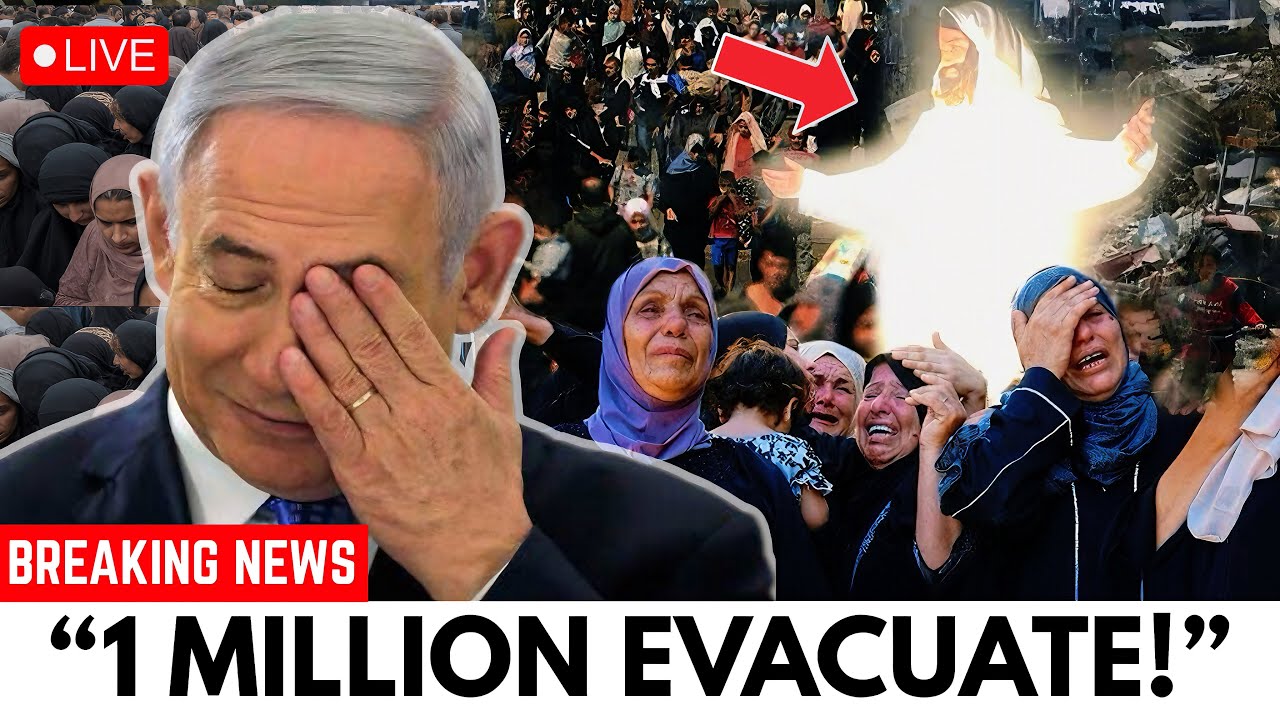
In the war-torn Gaza Strip, a remarkable event unfolded as approximately 200 residents, with no prior exposure to Christian teaching, independently experienced identical visions. They later gathered, embraced, and wept upon realizing they had all encountered the same divine figure. Taysir Sa, a former aide to Yasser Arafat turned Christian evangelist, shared this account with CBN News, describing a spontaneous gathering of new believers. These Gazans identified the figure as Jesus, referring to him by the Arabic names ‘Yesua’ and ‘Isa al-Masih’.
The descriptions provided by these new converts bear a striking resemblance to biblical accounts, specifically the depiction of Christ in the Book of Revelation. Many described a radiant man with hair “white like wool, as white as snow” and eyes “like a flame of fire,” mirroring the language of Revelation 1:14. This scriptural alignment has fueled belief among observers that a divine visitation is occurring amidst the rubble and despair of the coastal enclave, where only about a thousand Christians remain among 2.2 million people.
Simultaneously, Iran is witnessing what researchers are calling the fastest-growing underground church in the world. A widespread, clandestine movement sees thousands of Iranians abandoning Islam for Christianity after reporting dreams of a man in shining white garments. These are not isolated incidents but a burgeoning phenomenon from Tehran to remote desert villages, transforming the nation’s spiritual landscape from the ground up despite severe governmental crackdowns.
One compelling testimony comes from a former leader of a violent movement whose life was dedicated to opposition. He described a dream where a figure in white declared, “I am Jesus of Nazareth. I am the only way to God.” The man awoke trembling, eventually surrendering his life to Christ, his transformation from hatred to peace echoing the biblical conversion of Saul on the road to Damascus. His story exemplifies the personal revolution driving this larger trend.

The consistency of these visions is a critical detail. Jesus consistently appears in luminous white robes, a color deeply symbolic of holiness and purity in Islamic culture, worn during prayer and pilgrimage. By using this culturally resonant imagery, the encounters communicate in a symbolic language already understood by the visionaries. Recipients universally describe an overwhelming presence of love and authority that calls them by name, fostering immediate and total life change.
This mass conversion carries extreme risks in both regions. In Iran, converts face potential arrest, torture, loss of employment, and disownment by family. In Gaza, new believers navigate immense social pressure and the threat of violence within a tightly-knit society. Yet, reports indicate the movement is multiplying, not diminishing, under persecution. Believers meet in secret home gatherings, sharing faith in whispers and finding courage in communal solidarity.
Conservative estimates suggest the collective underground Christian population across Gaza and Iran now exceeds one million souls. These individuals have not lost faith but have discovered a new one, choosing to follow Christ at tremendous personal cost. Their perseverance aligns with early Christian teachings to consider trials a reason for joy, as they participate in the sufferings of Christ, as noted in the First Epistle of Peter.

The phenomenon is expanding beyond these epicenters. Similar reports of Muslim conversions following dreams of Jesus are emerging from Iraq, Afghanistan, North Africa, and even among diaspora communities in Europe. Nizar Shaheen, host of Light for the Nations, asserts that the scale of what is occurring in the Muslim world is historically unprecedented, with entire families and even former imams turning to Christ.
Theological observers point to the biblical verse Matthew 24:14, which states the gospel will be preached to all nations before the end comes. Many interpret these widespread dreams as a divine strategy to reach closed regions where traditional evangelism is impossible. In the darkest corners of persecution and conflict, a spiritual light is breaking through with unexpected brilliance, suggesting a potential global harvest of faith.
This movement represents more than individual salvation stories; it signals a potential geopolitical and spiritual reordering. From Gaza’s battered streets to Iran’s secret house churches, narratives of despair are being rewritten into testimonies of hope. Fighters lay down weapons, the fearful find courage, and the silent discover a voice. The world watches as a spiritual revolution, born in dreams and sealed in sacrifice, continues to unfold against all odds.
The ultimate question posed by this breaking story is not only about its veracity but also its implications. If over a million people are risking everything for an encounter with the divine, it challenges external perceptions of faith and resilience in the Middle East. As heaven rejoices, according to believers, the earthly ramifications of this awakening remain to be fully seen, but its momentum appears unstoppable.