A Texas inmate was executed by lethal injection Thursday night for the 2001 murders of his two young daughters, a crime of staggering brutality that culminated in a final act of chilling mockery directed at their mother. John David Battaglia, 62, received the death penalty at the state penitentiary in Huntsville, nearly 17 years after shooting his daughters Faith, 9, and Liberty, 6, in his Dallas apartment.
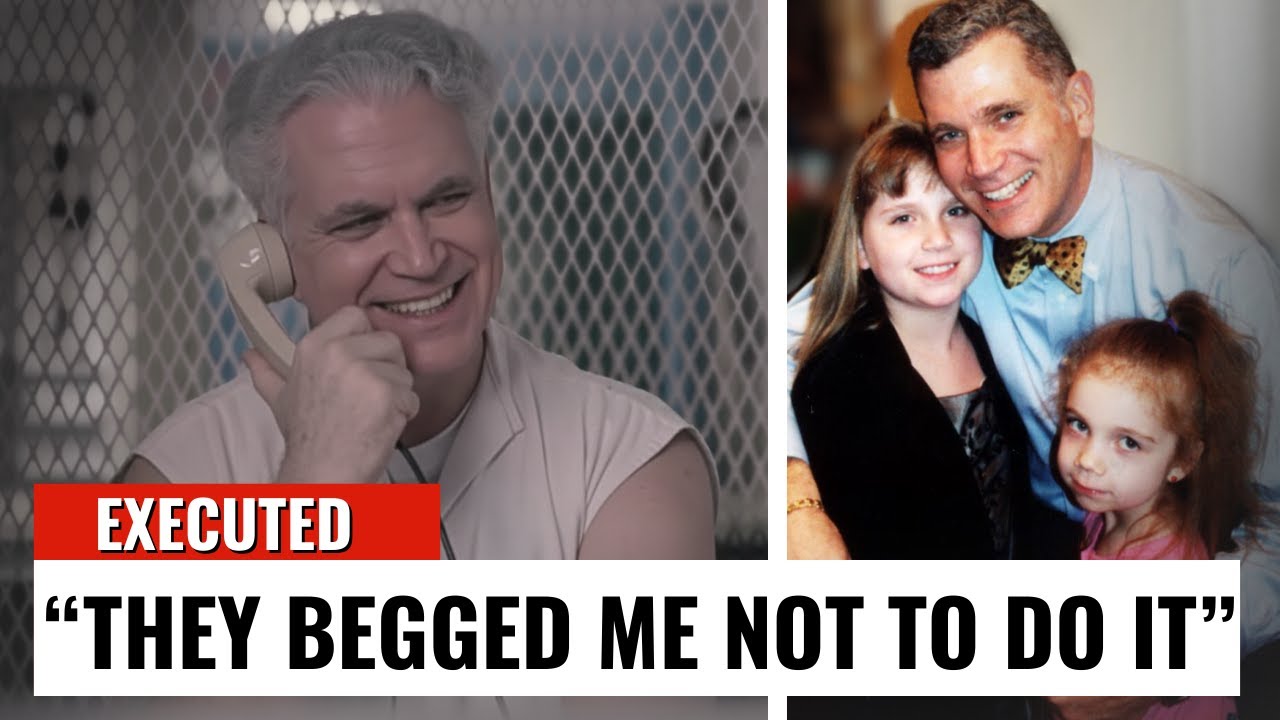
The execution proceeded after the U.S. Supreme Court rejected last-minute appeals, ending a legal saga that highlighted a long history of domestic violence. Battaglia spent his final hours in good spirits, according to prison officials, and consumed a last meal of fried chicken, mashed potatoes with gravy, green beans, corn, and cornbread.
His final words were reserved for his ex-wife, Mary Jean Pearl, the mother of the two girls, who witnessed the execution from the viewing gallery. As he was strapped to the gurney, Battaglia looked directly at her, smirked, and said, “Well, hi, Mary Jean. I’ll see y’all later. Bye.” He then told the guard, “Go ahead, please.”
The lethal injection of pentobarbital began at 9:18 p.m. Officials pronounced Battaglia dead at 9:40 p.m. Witnesses reported he briefly laughed and asked, “Am I still alive?” before the drug took effect. Mary Jean Pearl left the viewing window in tears after he stopped breathing, stating, “I’ve seen enough of him,” before returning to hear the official pronouncement.
The path to the execution chamber began on a horrifying afternoon in May 2001. Battaglia, a certified public accountant, was facing arrest for violating probation related to a prior assault on Pearl. He picked up his daughters for a scheduled dinner visit, violating a restraining order by taking them to his loft instead of a public place.
While the girls were with him, he forced them to call their mother. Faith, put on speakerphone, asked her mother, “Mom, why do you want Daddy to go to jail?” Mary Jean Pearl then heard her daughter plead, “No, Daddy. Please don’t. Don’t do it,” followed by a series of gunshots. Battaglia then picked up the phone and told Pearl, “Merry Christmas,” a cruel reference to a brutal beating he inflicted on her on Christmas Eve 1999.

Police found the girls’ bodies in Battaglia’s apartment in Dallas’s Deep Ellum district. Faith had been shot three times, Liberty five times. After the murders, Battaglia went to a bar with his girlfriend and then to a tattoo parlor, where he had two red roses inked on his arm in honor of his daughters.
His trial in 2002 laid bare a documented pattern of abuse spanning two marriages. Testimony revealed he assaulted his first wife, Michelle Ghetto, and subjected Mary Jean Pearl to years of verbal abuse and physical violence. The jury took only 19 minutes to convict him of capital murder.
During the penalty phase, defense attorneys argued Battaglia suffered from bipolar disorder and narcissistic personality disorder. The jury nonetheless sentenced him to death. His years on death row were marked by a lack of remorse; he mocked the murders and told other inmates he did not kill his “biological” daughters.
Appeals delayed his execution for years, including a last-minute stay in 2016 over questions of mental competency. Those appeals were ultimately exhausted, leading to Thursday’s execution. The process was delayed over three hours while the Supreme Court considered final petitions.
The case reignited debates over the death penalty and the judicial system’s handling of domestic violence. Prosecutors argued the murders were a final, calculated act of vengeance against Pearl, intended to inflict maximum psychological pain. The defense maintained that his mental illness should have precluded a death sentence.

For Mary Jean Pearl, the execution closes a chapter of unimaginable trauma. She survived his violence only to endure the murder of her children, a crime she heard unfold in real time over the telephone. Her testimony and unwavering pursuit of justice were central to the case.
The State of Texas has carried out its first execution of the year. Battaglia becomes the latest inmate executed for the murder of a child, a category of crime that typically draws strong public support for the death penalty. His final words, echoing the taunt he delivered after killing his daughters, offered no apology or explanation.
Corrections officials reported no complications during the procedure. Battaglia was the oldest inmate executed in Texas so far this year. His death leaves a legacy defined by familial violence and the tragic loss of two young lives, a case that shocked a community and tested the limits of legal redress.
As the curtains closed on the execution chamber, the legal and emotional reverberations of the case continued. Advocates for victims of domestic violence point to the murders as a catastrophic example of how abuse can escalate, while death penalty opponents question the state’s role in taking a life. The story of Faith and Liberty Battaglia remains a stark reminder of the devastating intersection of rage, control, and shattered innocence.