An investigation by Nepali police has uncovered a massive insurance fraud scheme involving Mount Everest guides who allegedly poisoned foreign climbers to trigger costly helicopter evacuations. The scheme, which spanned from 2022 to 2025, saw more than 4,700 climbers affected, resulting in a total of nearly $20 million in fraudulent claims. Police have arrested multiple individuals linked to mountain rescue companies and charged 32 people, including sherpas, trekking company owners, and hospital staff.
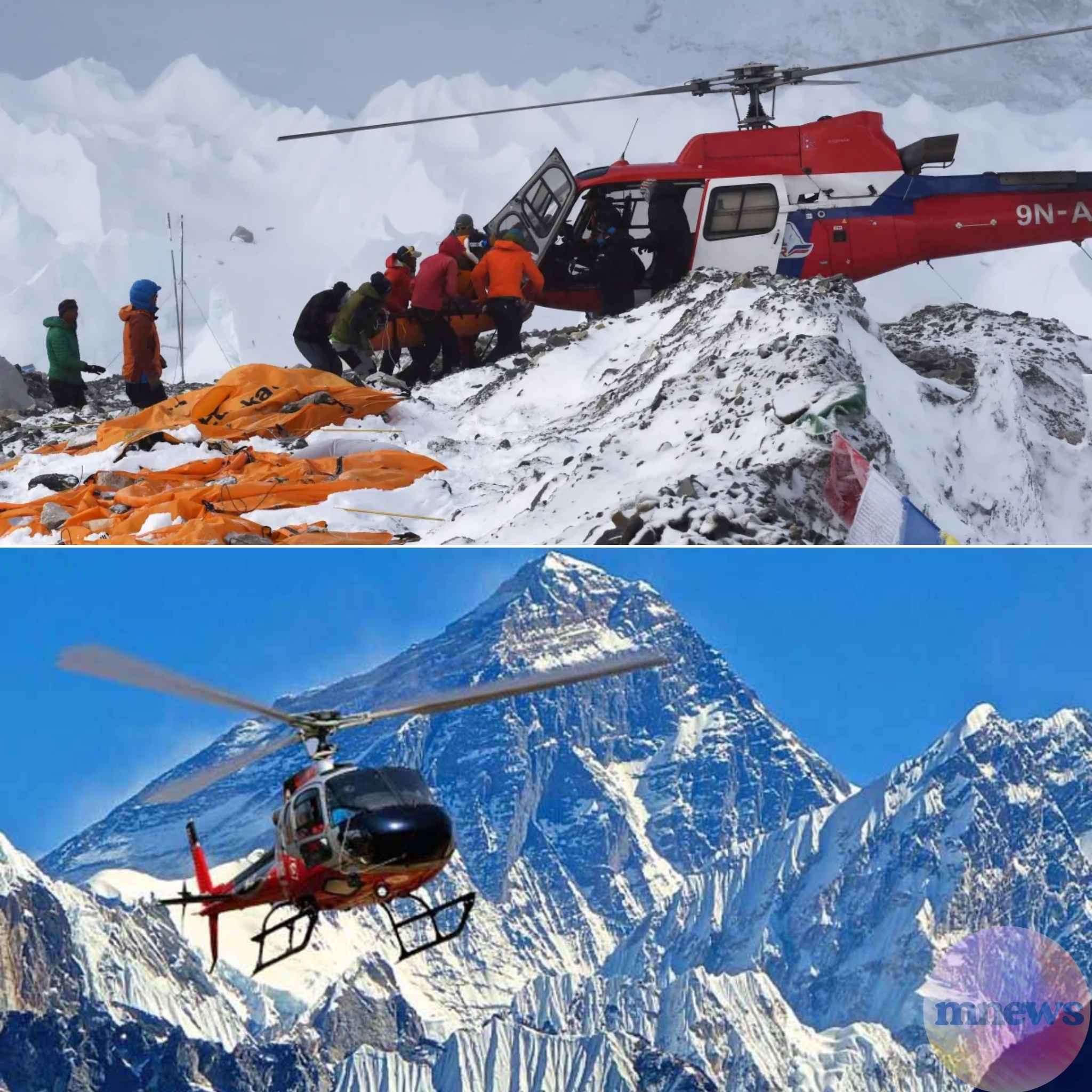
This shocking scam targeted foreign tourists attempting to summit Mount Everest and other peaks in the Himalayas. The fraudulent rescues were carried out by guides, who would intentionally cause climbers to become sick, using a variety of methods, including spiking food with baking soda to simulate altitude sickness. Once the climbers reported symptoms like nausea, dizziness, and abdominal pain, they were then falsely diagnosed, and expensive air rescues were initiated to inflate insurance claims.
How the Scam Worked: Fake Rescues and Inflated Insurance Claims
The operation involved guides, trekking companies, helicopter operators, and hospital executives working together to facilitate rescues. According to investigators, climbers were secretly drugged or made ill to simulate a medical emergency. Common methods included spiking food with baking soda to induce gastrointestinal distress, causing climbers to exhibit symptoms typical of altitude sickness.
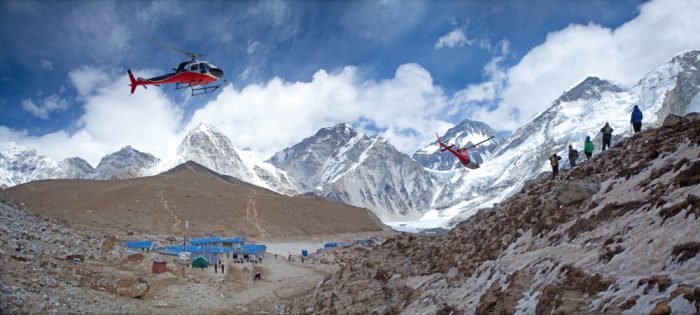
Once these “emergencies” were reported, helicopters would be dispatched to evacuate the climbers, with the associated costs billed to insurance companies. In many cases, the actual rescue would involve multiple climbers being flown together, but each was billed as an individual service, greatly inflating the costs. The scammers even forged medical documents and flight records to support these exaggerated insurance claims.
The scam was reportedly widespread, with 300 fake rescue cases uncovered, totaling nearly $20 million. The scale of the fraud has shocked the international travel community, particularly as Mount Everest is one of the most popular and well-visited destinations for climbers worldwide.
Impact on Tourists: Risks and Safety Concerns for Future Climbers
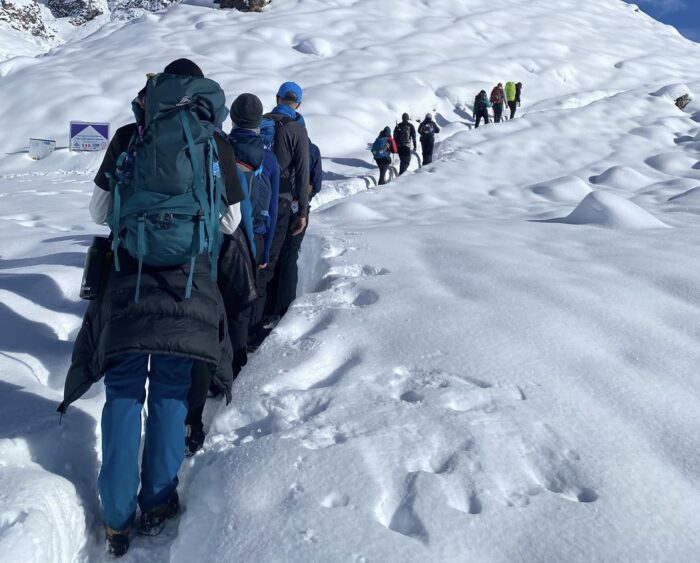
This scandal has raised serious concerns about the safety of tourists traveling to Nepal, particularly those planning to climb Mount Everest or other high-altitude peaks in the region. Tourists and climbers now face the uncertainty of whether their trekking experience will be tainted by similar fraudulent schemes.
In addition to the financial loss for climbers and insurance companies, the reputation of Nepal’s mountaineering industry has taken a significant hit. Many climbers now worry about the integrity of the services they are using, from guides to rescue operations. The broader impact on tourism could result in a decline in visitors to Nepal’s mountain regions, affecting local economies dependent on mountaineering and trekking tourism.
For business travelers who rely on Nepal’s travel and tourism sector, this fraud scandal could lead to a temporary downturn in bookings and business opportunities. Increased scrutiny and potential new regulations may disrupt the ease of conducting business in Nepal, particularly for companies involved in the tourism and adventure travel sectors.