In a harrowing culmination of a case that has polarized Missouri, Kevin Johnson was executed by lethal injection at 6:00 p.m. last night, 17 years after he was convicted of murdering police sergeant William McInty. Johnson’s final words echoed his remorse and transformation, but questions surrounding justice and systemic failures remain.
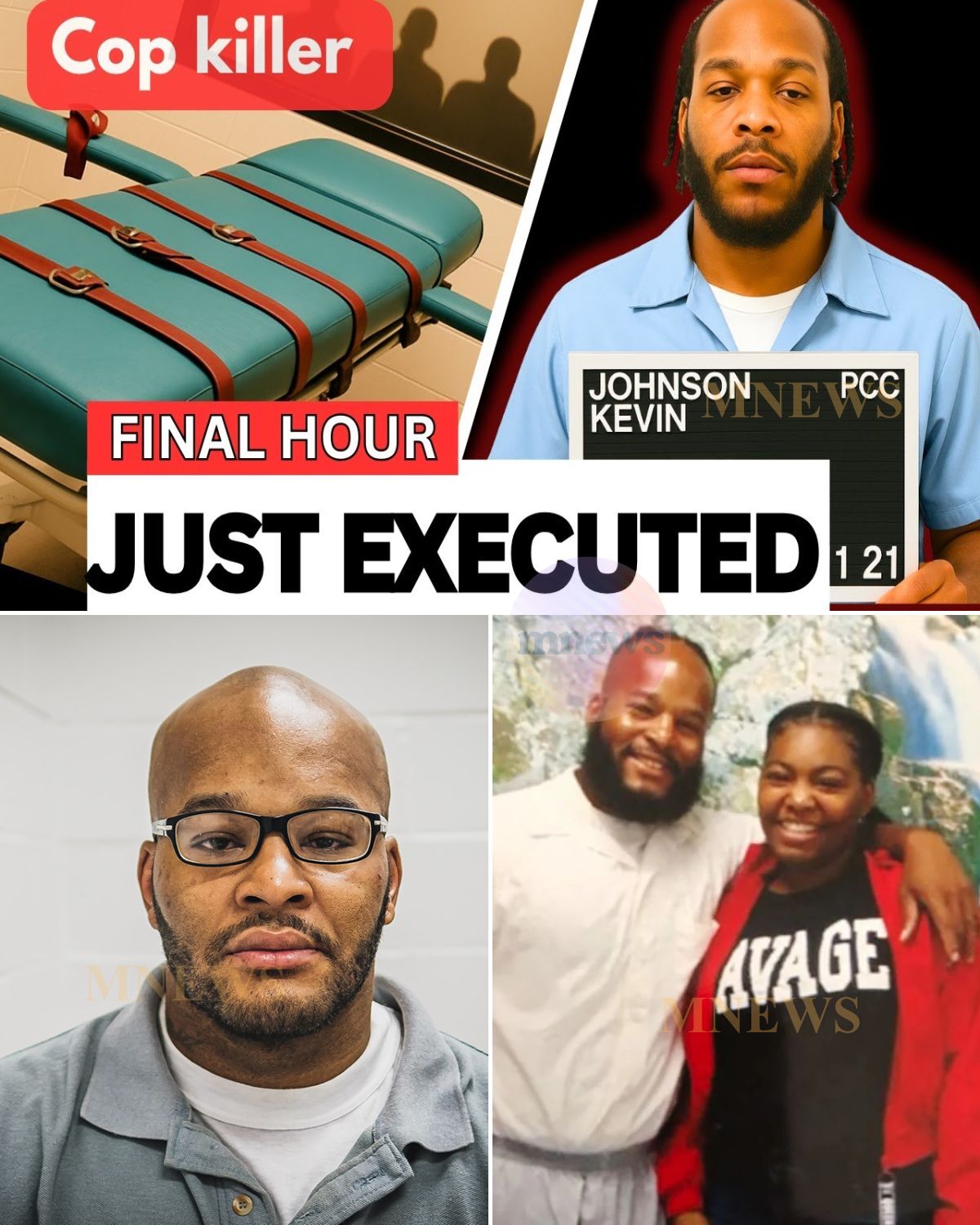
The execution took place at the Eastern Reception, Diagnostic, and Correctional Center in Bonterre, Missouri. Johnson’s crime—a brutal ambush of Sergeant McInty—has sparked intense debate about the implications of his actions, the circumstances leading to them, and the racial dynamics of the justice system.
On July 5, 2005, tragedy struck when Johnson’s younger brother, Joseph Bam Bam Long, collapsed in front of their home. As police responded to a warrant for Johnson, his brother’s medical emergency went unaddressed, leading to Bam Bam’s death. This heart-wrenching experience fueled Johnson’s rage, culminating in the shooting of McInty later that day.
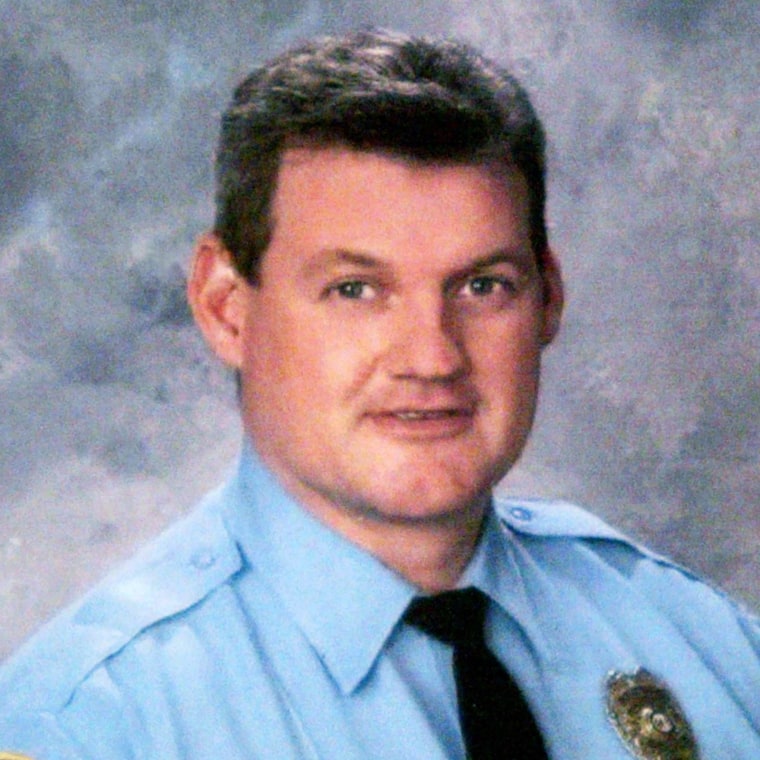
Witnesses described the chaotic scene as Johnson, consumed by grief, confronted McInty, blaming him for his brother’s death. Johnson fired multiple shots, first hitting McInty and then returning to deliver fatal blows as the officer lay helpless. The media quickly branded him a “cop killer,” a label that would haunt him through years of appeals and protests.
Johnson’s trial was contentious. The prosecution painted him as a cold-blooded murderer, while the defense argued he acted impulsively out of grief. Despite the jury’s deadlock on the death penalty, the judge imposed it, igniting controversy over alleged racial bias in the prosecution’s approach.
As Johnson awaited execution, his case drew attention from civil rights advocates and legal experts who argued that systemic issues had led to his death sentence. Protests erupted outside the prison, with supporters demanding justice not only for Johnson but for the systemic failures that contributed to his actions.
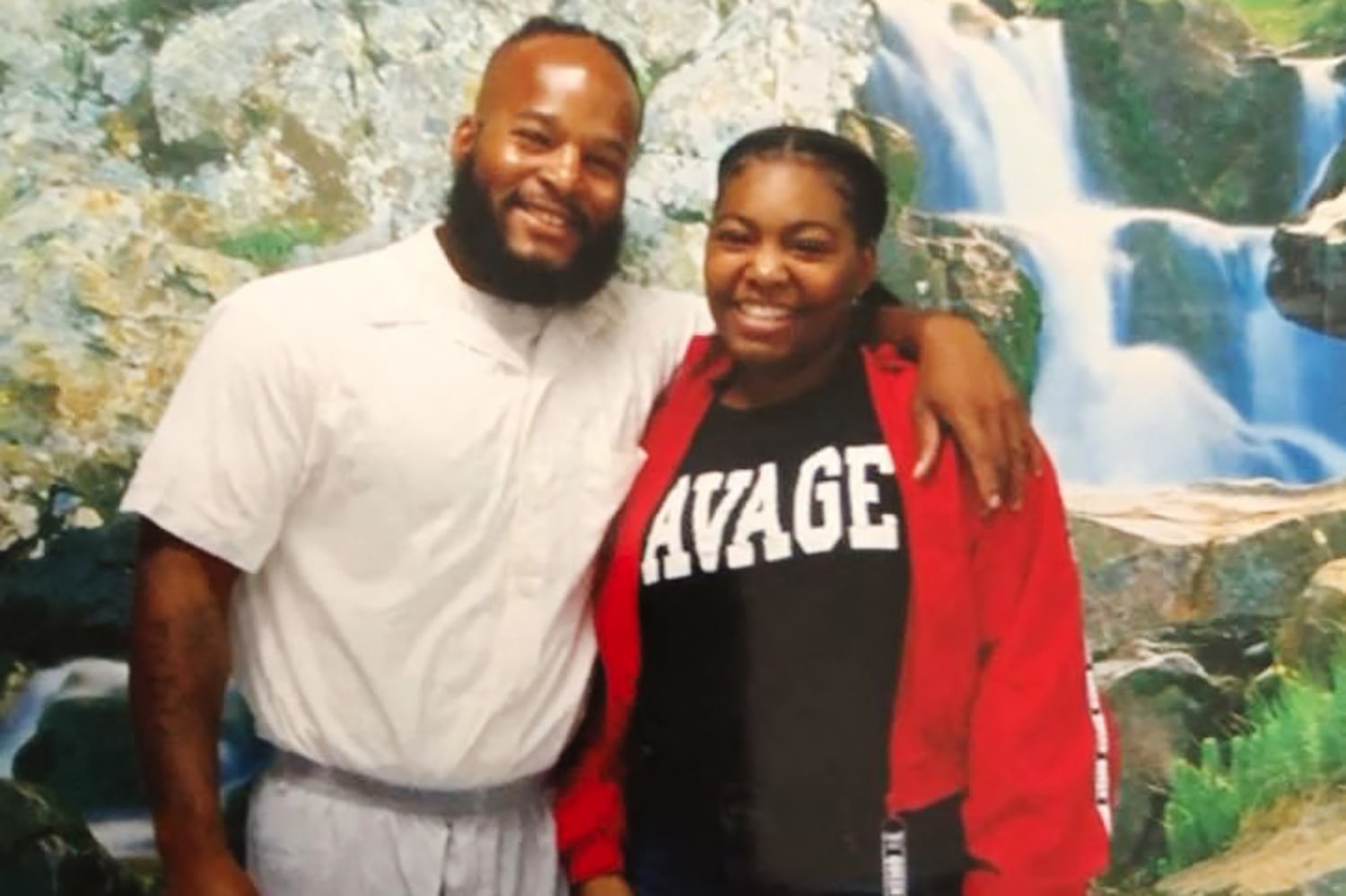
On the day of his execution, Johnson had a simple last meal—standard prison fare, reflecting his acceptance of fate. He expressed love for his daughter and supporters in his final words, emphasizing his personal growth and sorrow for the pain caused by his actions.
At 7:00 p.m., the lethal injection process began, and by 7:40 p.m., Johnson was pronounced dead. Outside the prison, emotions ran high as supporters held candles and chanted for justice, questioning the moral implications of his execution.
The case of Kevin Johnson raises profound questions about justice, grief, and the impact of systemic failures. As the sun set on that cold evening, the crowd outside the prison grappled with the reality of a system that often fails to deliver true justice, leaving lingering doubts about whether Johnson’s execution was an act of justice or a tragic consequence of a broken system.