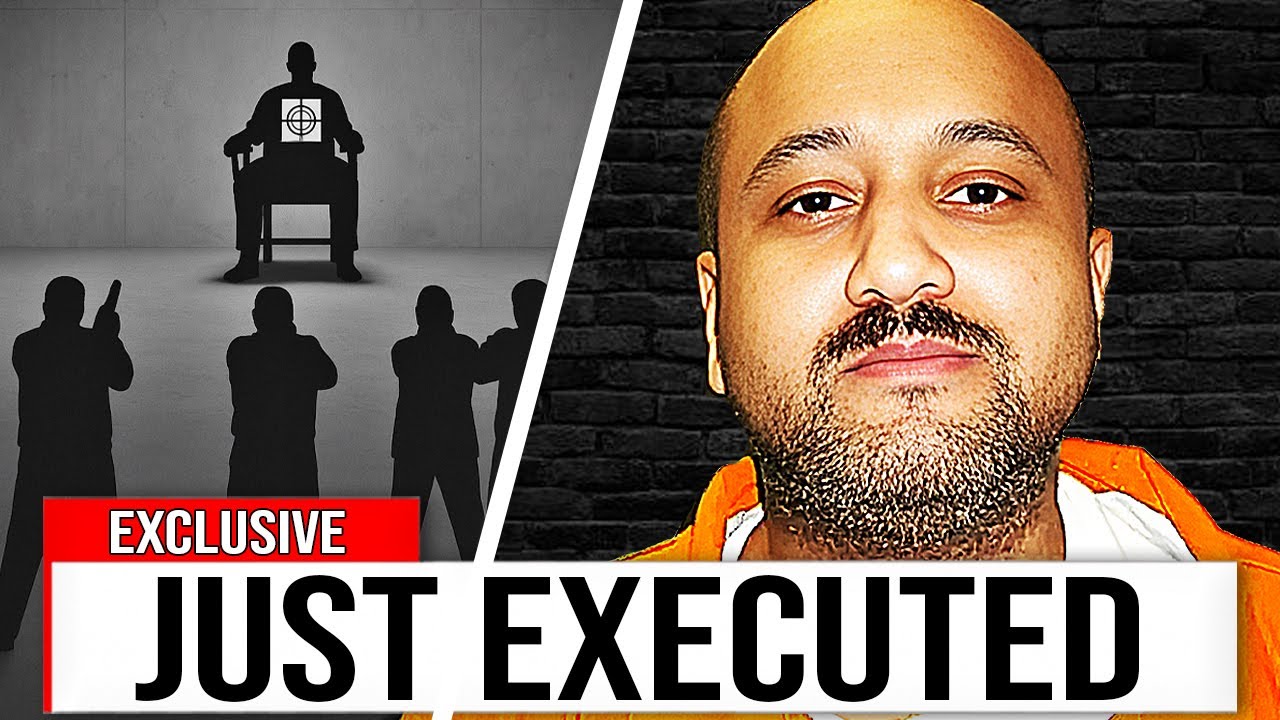
Breaking news: On April 11th, 2025, South Carolina executed Mikall Dean Madi by firing squad, marking only the second time this rare U.S. method was used. The 42-year-old’s choice of death followed a violent history that shocked the nation, ending with a chilling final meal and no last words.
Mikall Dean Madi’s violent spree began on July 14th, 2004, when he stole a pistol from his neighbor in Virginia. At just 21, his criminal path escalated rapidly, involving theft, murder, and evasion across multiple states. His deadly rampage soon crossed into North Carolina and South Carolina.
The very next day after stealing a vehicle and weapon, Madi shot convenience store clerk Christopher Jason Bogs twice at point-blank range in Winston Salem. Captured on surveillance, this brutal killing underlined a frightening disregard for life that would define Madi’s violent acts.
Days later, Madi’s violence intensified in Columbia, South Carolina. He carjacked a man, changed the car’s license plates, and attempted theft at a gas station before fleeing on foot after detection, setting the stage for a horrifying ambush on a family man and police captain.
On July 17th, 2004, Madi invaded the property of James Edward Meyers, 56, firing nine bullets and violently ending his life before dousing and burning the body. This ruthless act shattered a family celebration, leaving a wife and five children grieving a brutal murder closest to home.
Madi’s escape ended in Satellite Beach, Florida, after a reckless driving complaint led police to confront him. Despite brandishing a semi-automatic rifle, Madi discarded the weapon and fled on foot, initiating a statewide manhunt that captivated and horrified communities across several states.
Following his arrest, Madi faced multiple charges including burglary, grand larceny, and the cold-blooded murder of James Meyers. The legal fight dragged on, marked by revelations of Madi’s violent threats toward law enforcement and a troubled, traumatic past.
His defense relied heavily on his traumatic childhood—years of abandonment, institutionalization, and juvenile detention—but the jury remained unmoved. In 2006, at just 23, Madi pled guilty and was sentenced to death, sealing his fate after a history riddled with violence.
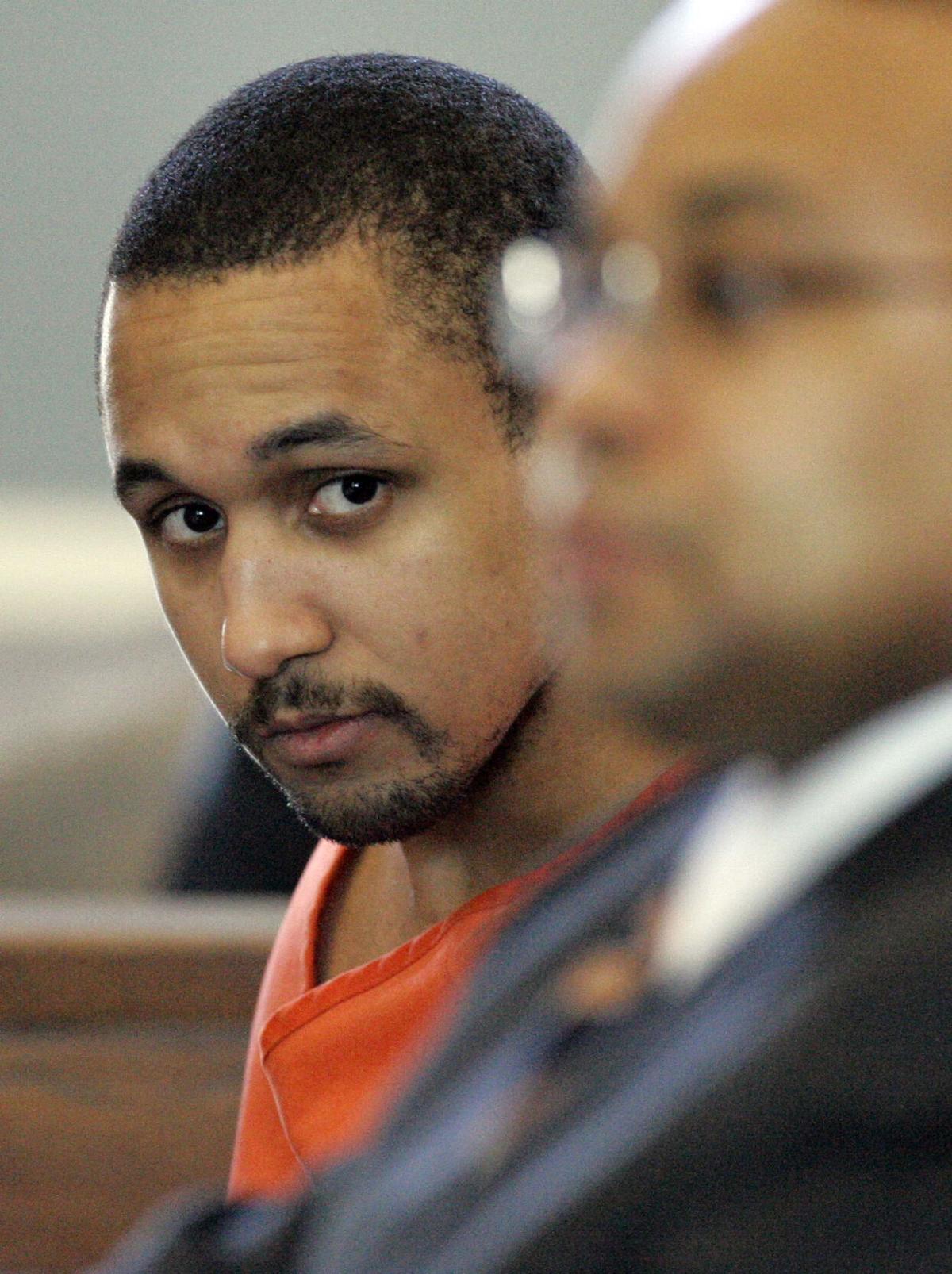
Further complicating his story, Madi was convicted for Christopher Bogs’ murder in North Carolina, receiving life without parole. Over the following years, relentless appeals and legal arguments challenged his sentence but repeatedly failed, leaving the death penalty firmly in place.
In 2009, while on death row, Madi engaged in a violent attack on a correctional officer with fellow inmate Quincy Allen. The stabbing left the officer scarred permanently, highlighting Madi’s dangerous, unrepentant nature even behind prison walls, reinforcing the severity of his sentence.
A decade of stalled executions followed due to 𝒹𝓇𝓊𝑔 shortages in South Carolina, prompting lawmakers to revive electrocution and introduce execution by firing squad, a method dating back centuries yet legally dormant until recent changes paved new paths to capital punishment.

By early 2025, court rulings cleared the way for executions to resume. On March 14th, Madi’s death warrant was signed. Given the choice between lethal injection, electrocution, or firing squad, Madi selected the firing squad, citing fears of slow suffocation or burning as reasons for his choice.
His final meal comprised a medium ribeye steak, mushroom risotto, broccoli, collard greens, cheesecake, and sweet tea—an ordinary meal before an extraordinary and violent end. On April 11th, Madi faced death strapped to a metal chair, a target pinned over his heart, hooded and silent.
The execution protocol demanded three officers fire simultaneously from behind a shielded barrier. Moments after the shots, witnesses described harrowing sounds of pain—groans and sharp yells—stretching painfully over nearly two minutes, defying expectations of instantaneous death.
A prison doctor confirmed death four minutes after the volley. Madi’s tumultuous life ended at 42, after spending over 68% of his years confined in juvenile or adult correctional facilities, a harsh life story closed with one of America’s rarest execution methods.
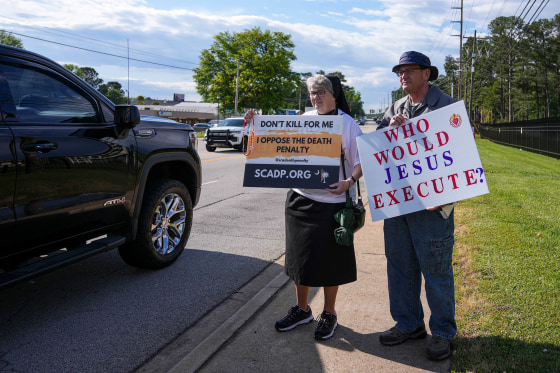
Madi’s death sparked renewed debates about capital punishment methods, the ethics of firing squads, and the justice system’s handling of violent offenders. As South Carolina moves forward, questions linger over how history will judge this rare and harrowing chapter in criminal justice.
This execution underscores tensions between evolving legal standards, public safety, and humane treatment, spotlighting a case marked by brutality, tragedy, and a chilling end that echoed deeper societal struggles with crime, punishment, and redemption.
Stay with us for continued coverage and expert analysis on this landmark execution and its broader implications across the United States’ justice system. This story is developing rapidly — more details will emerge as we track reactions from families, legal experts, and advocacy groups.