In a chilling culmination of two decades of appeals and anguish, Marian Bowman Jr., who vehemently proclaimed his innocence, was executed by lethal injection in South Carolina on January 31, 2025. This execution marks a somber milestone in one of the state’s most contentious and divisive murder cases.

Bowman’s case first erupted into public consciousness following the brutal death of 21-year-old Candy Louise Martin in 2001. Found deceased in the charred trunk of her car in Dorchester County, Martin’s murder sent shockwaves through the community. Bowman, a 20-year-old Black man from Branchville entangled in poverty and 𝒹𝓇𝓊𝑔 culture, was swiftly ensnared in a legal battle that would define his existence.
Convicted amid an atmosphere thick with racial tension and controversy, Bowman spent twenty years on death row. He consistently declared his innocence throughout, alleging a racially biased prosecution determined to punish a poor Black man for the death of a white woman. His defense claimed that coercion, witness tampering, and deals with key testifiers shaped a narrative that belied truth.
The Supreme Court of the United States denied Bowman’s last-ditch request for a stay of execution on January 30, 2025, crushing hopes for reprieve just a day before the lethal injection was administered. Governor Henry McMaster’s refusal to grant clemency sealed Bowman’s fate after meticulous review of the case.
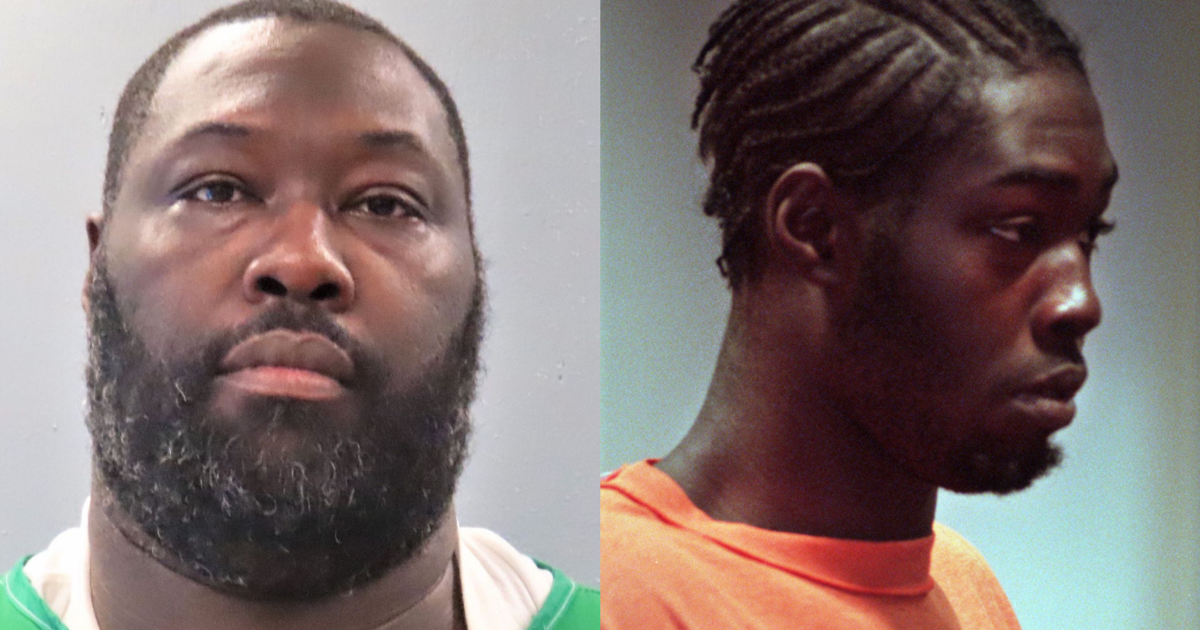
Bowman’s final hours were marked by solemn silence and quiet determination. He composed a heartfelt letter addressed to his daughter and a poignant last statement insisting on his innocence. As the execution team strapped him to the gurney and the chemicals coursed through his veins, Bowman’s last breath echoed a plea that justice was never truly served.
The prosecution’s portrayal of Bowman depicted a ruthless 𝒹𝓇𝓊𝑔 dealer who violently ended Martin’s life amid a toxic, controlling relationship fueled by drugs and desperation. Testimonies from his cousin James “Gap” Gadson and other witnesses painted a grim picture of a man who allegedly committed cold-blooded murder and attempted to erase evidence through arson.
Conversely, Bowman’s version told a vastly different tale of addiction, friendship, and betrayal. He recounted a relationship marked by fleeting camaraderie and tragic circumstances, putting forward Gap as the real perpetrator. He claimed his family was manipulated and threatened into testifying against him, condemning a justice system skewed by racial prejudice.
Critical evidence reportedly omitted from trial records and appeals included conflicting testimony and a jailhouse confession pointing blame away from Bowman. His legal defense highlighted the absence of direct physical evidence tying him to Martin’s murder. Yet, his pleas for a new trial were repeatedly dismissed, reinforcing a grim finality.
Bowman’s unwavering refusal to accept a plea deal sparing his life further deepened the rift between him and the judicial system. Fifteen offers purportedly made by prosecutors to avoid the death penalty were rejected by Bowman, whose integrity and desperation to clear his name defined his fight until the end.

The trial itself was swift. After hours of deliberation, the unanimous jury verdict sentenced Bowman to death. The courtroom fell into stunned silence as the final judgment was pronounced—death by lethal injection for murder, along with additional sentences for arson and obstruction.
Outside the prison walls, the execution reignited fierce debate among community members, activists, and legal experts. Protesters gathered, chanting for justice while others mourned quietly. The case spotlighted systemic issues—including claims of racial bias, flawed witness testimony, and the ethics of capital punishment.
Bowman became the third inmate executed in South Carolina since the state resumed executions after a long hiatus, highlighting ongoing challenges with obtaining lethal injection protocols. His was also a rare publicly defiant execution, refusing clemency and asserting the state’s demand for closure over truth.
As the fatal injection was administered and life slipped away, an all-encompassing silence fell. Some hailed justice for Candy Martin; others mourned what they perceived as the death of an innocent man, crushed by a system that never fully heard his voice.
Marian Bowman Jr.’s execution closes a harrowing chapter marked by pain, controversy, and unanswered questions. The echoes of his final words will linger as a haunting reminder of the fraught intersection between race, justice, and capital punishment in America’s legal landscape. The debate over his guilt and the fairness of his trial is far from over.