In a harrowing culmination of a 13-year legal saga, Michael Dewayne Hall was executed in Texas on February 15, 2011, for the brutal murder of 19-year-old Amy Robinson. His final moments were marked by an apology to her family, but the haunting details of his crime remain etched in memory.
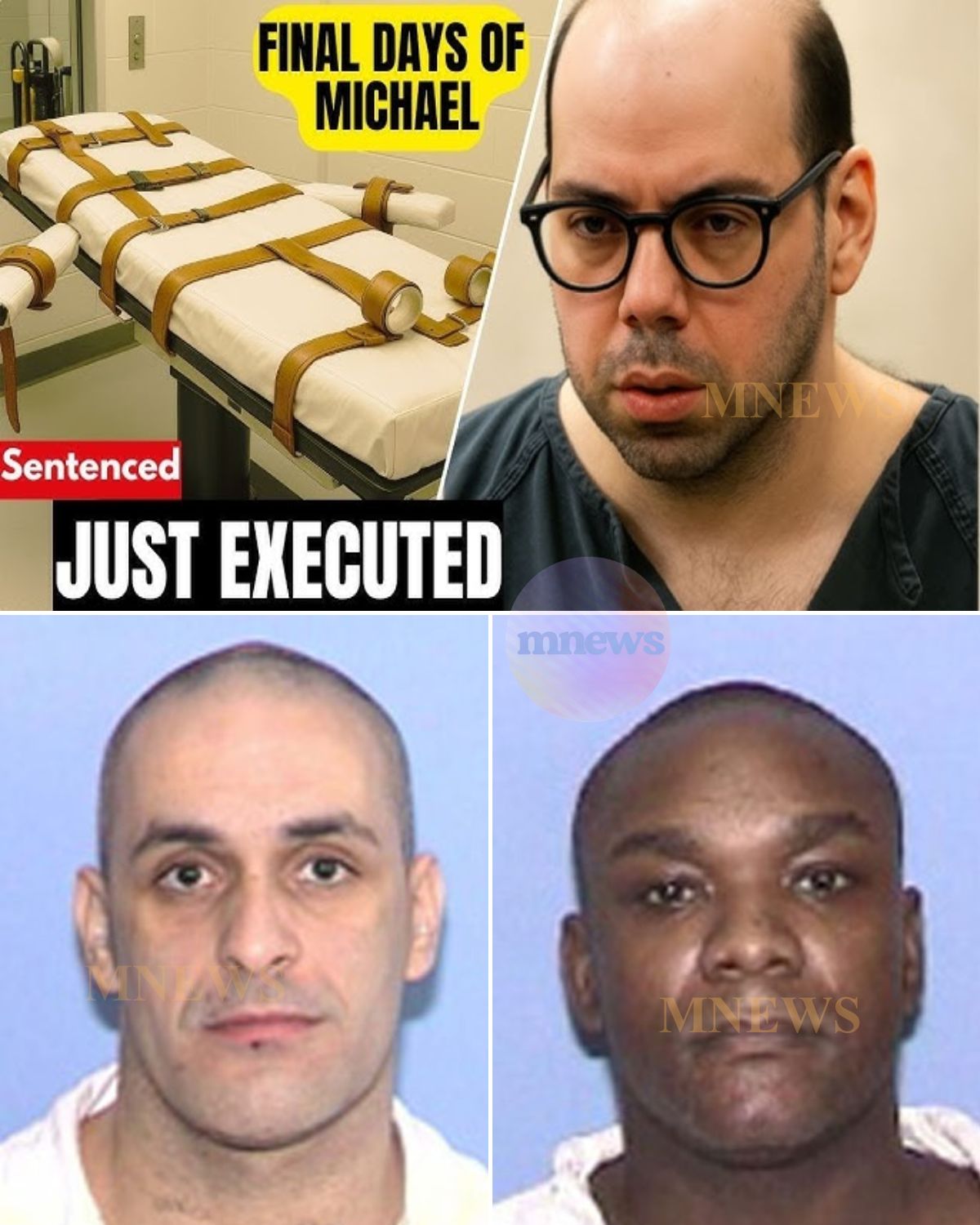
Hall, just 18 at the time of the crime, and his accomplice, Robert Neville, lured Robinson into a deadly trap in Arlington, Texas, on February 15, 1998. Armed with a rifle and a crossbow, they turned a routine bike ride into a horrifying hunt, showcasing a chilling indifference to human life.
The murder was not born of desperation but of a sadistic thrill. Hall and Neville bragged about their heinous act, reveling in the attention it drew. Their chilling confessions, delivered with smirks and laughter, shocked a community that once trusted them, revealing a disturbing detachment from the gravity of their actions.

Robinson, a vulnerable young woman with developmental disabilities, was targeted by those she once considered friends. The brutality of her death, described in graphic detail during the trial, underscored the premeditated cruelty of Hall and Neville. They returned to the scene to desecrate her body, further demonstrating their lack of remorse.
As details of the case unfolded, the public was gripped by the sheer horror of the crime. Hall’s unstable upbringing and emotional turmoil were presented as mitigating factors, but the jury was unmoved. They convicted both men of capital murder, leading to their death sentences in a state known for its tough stance on crime.
The execution of Michael Hall was not just a legal formality; it was a grim reminder of the fragility of life and the consequences of unchecked malice. As he faced lethal injection, Hall expressed regret, yet many questioned the sincerity of his words, given his past demeanor.

Witnesses to the execution noted Hall’s calmness, a stark contrast to the chaos he had inflicted on Robinson and her family. His last meal request—a simple assortment of comfort foods—seemed to reflect a life marked by bitterness and brutality rather than remorse.
As the lethal dose took effect, the specter of Amy Robinson loomed large. Her name, once overshadowed by the gruesome details of her murder, now serves as a poignant reminder of the human cost of violence. While Hall’s life ended, the memory of Robinson’s light endures, urging society to confront the darkness within.
This case transcends mere headlines; it is a haunting narrative of innocence lost and the chilling capacity for evil lurking within. As discussions about justice and redemption continue, the legacy of Amy Robinson serves as a call to remember and reflect on the lives affected by such senseless acts.