In a harrowing conclusion to a 30-year legal battle, Emmanuel Antonio Little John was executed today at 10:17 AM at Oklahoma State Penitentiary. The governor’s rejection of a clemency recommendation has reignited fierce debates over justice, innocence, and the death penalty in America. Little John’s case epitomizes the complexities of the criminal justice system.
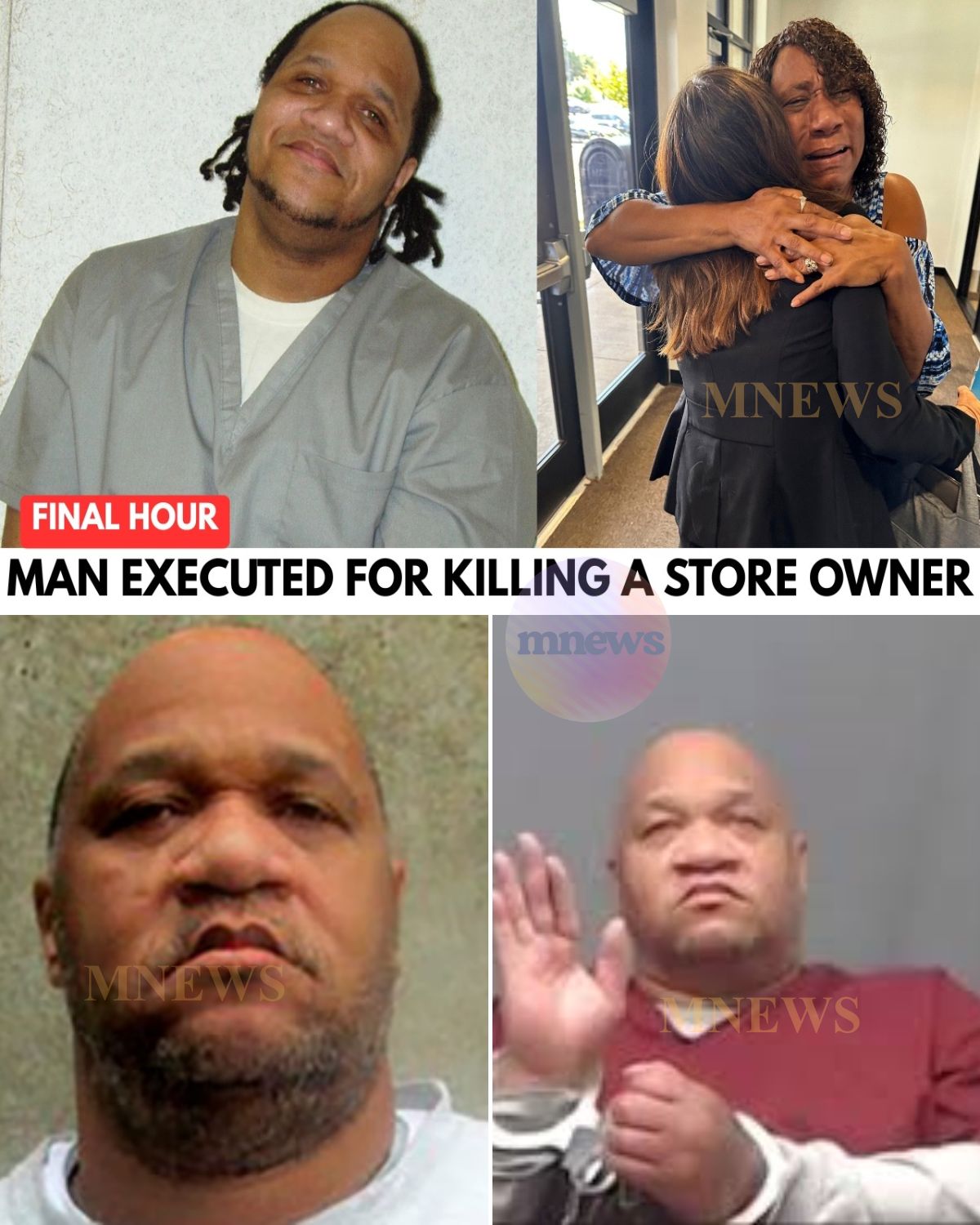
Little John, 52, spent three decades on death row, grappling with the weight of a conviction based on conflicting narratives presented by prosecutors. In 1992, he was implicated in a robbery that led to the fatal shooting of Kenneth Meers. Yet, two juries heard two contradictory stories about who actually pulled the trigger.
Despite maintaining his innocence, claiming that his accomplice Glenn Bethany fired the fatal shot, Little John faced a death sentence while Bethany received life in prison. The disparity in their sentences has raised questions about fairness and the application of justice in similar cases.
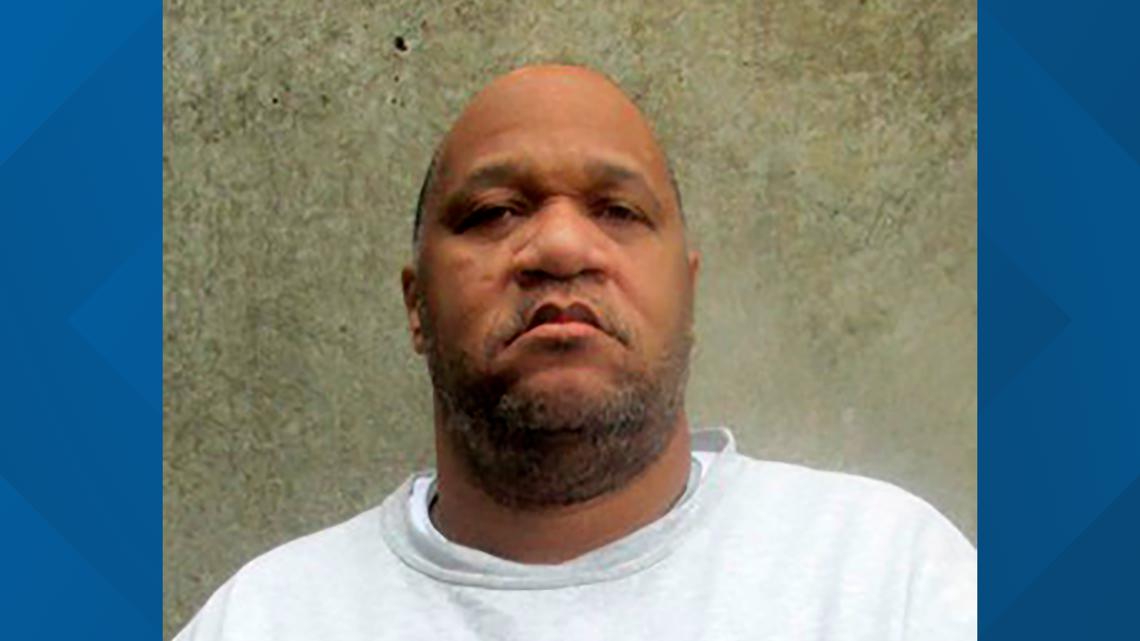
As the clock ticked down to his execution, Little John expressed profound fear, revealing the psychological toll of living under the shadow of death for so long. His last meal request was simple: a meat pizza, two slices of cheesecake, and a Coke—comfort food for a man about to face the ultimate punishment.
Witnesses described a heart-wrenching scene as his mother and daughter stood by, their grief palpable. In his final moments, Little John turned to his mother, assuring her he loved her, before the lethal injection began. The execution process unfolded with chilling precision, culminating in his death just 17 minutes later.
This execution marked a grim milestone in the U.S. criminal justice system, being the 1,600th since the death penalty was reinstated in 1976. It has reignited discussions about the ethical implications of capital punishment, especially when the state itself has presented conflicting evidence regarding guilt.
The case of Emmanuel Little John raises profound questions: How can justice be served when the facts are so murky? Should childhood trauma and mental health be more heavily weighed in capital cases? And what does it mean for a society to execute someone when uncertainty looms over their guilt?
As the dust settles on this tragic event, many are left to ponder whether justice was truly served or if another tragedy has been added to an already complex narrative. Little John’s story is a stark reminder of the human lives intertwined in the machinery of justice, leaving us to question the moral fabric of our legal system.