In a dramatic and controversial turn of events, Ivan Cantu, 50, was executed by lethal injection on February 28, 2024, in Texas after spending 22 years on death row. His case has raised profound questions about justice, innocence, and the reliability of evidence that led to his conviction for the murders of James Musceta and Amy Kitchen.
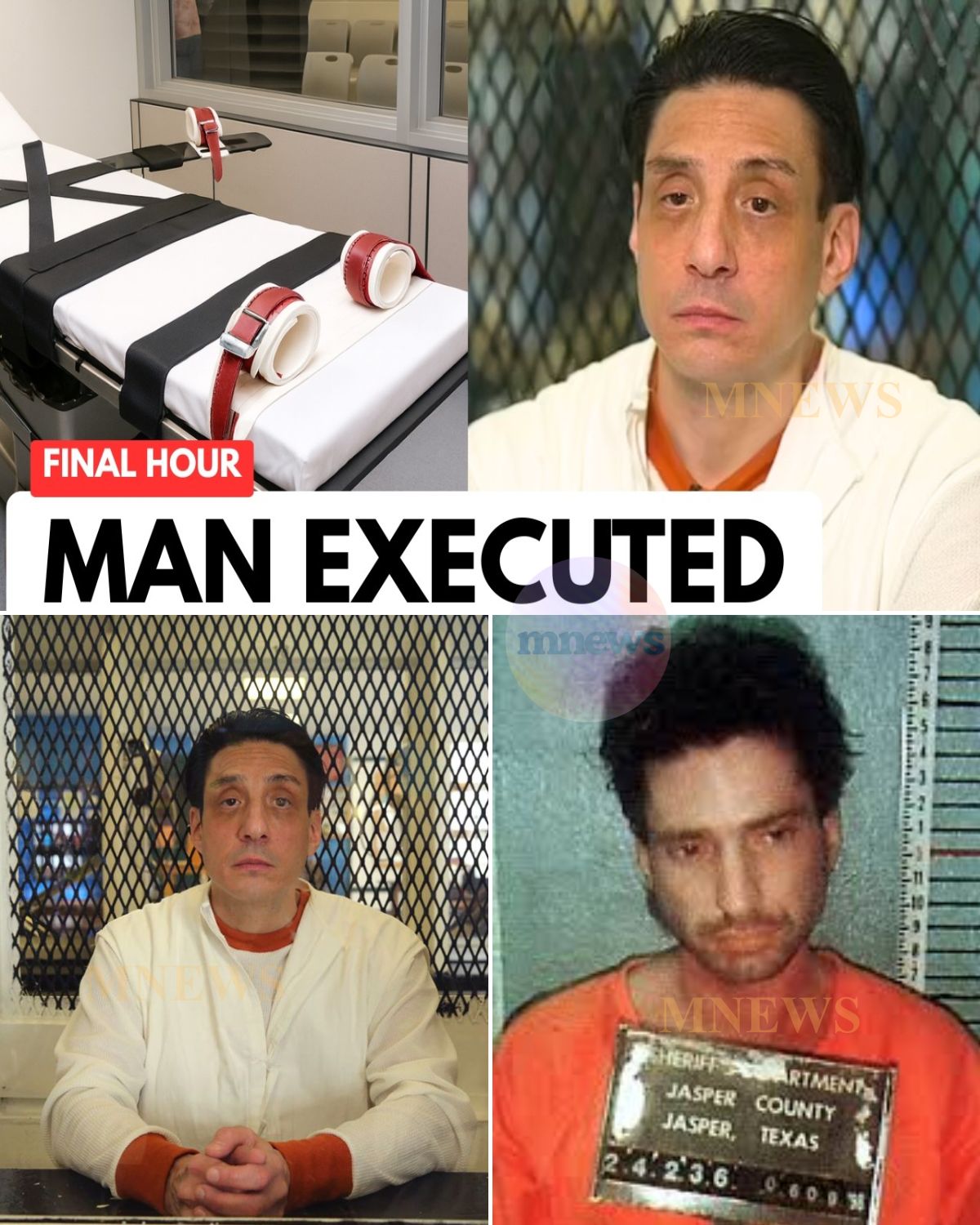
Cantu’s execution took place at the Huntsville unit, known for its high number of executions. As he faced death, he maintained his innocence, declaring to the victims’ families that he had not killed them. The haunting memories of the crime scene, where two young lives were brutally taken in 2000, lingered heavily over the proceedings.
The case against Cantu was built on circumstantial evidence, including blood-stained clothing found in his apartment and testimony from his then-fiancée, Amy Burcher, who claimed he confessed to the murders. However, over the years, significant doubts emerged regarding the integrity of this evidence, prompting calls for a re-examination.
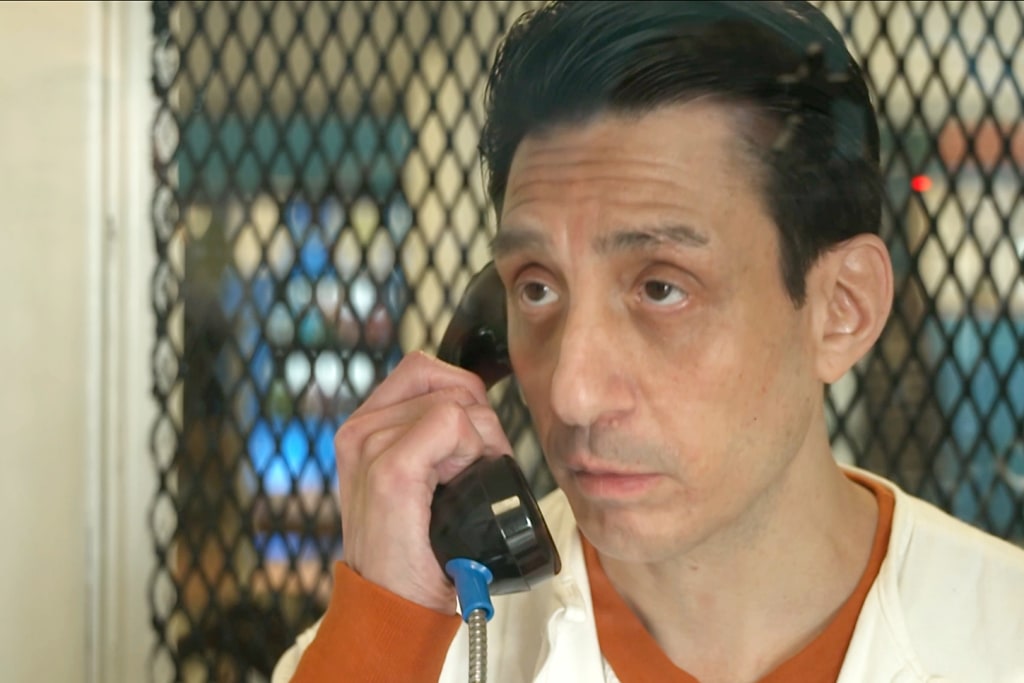
As Cantu’s execution date approached, public outcry intensified. A podcast titled “Cousins by Blood” garnered millions of listeners, highlighting inconsistencies in the prosecution’s case. Even members of the original jury began to express doubts about their decision, urging for a new trial.
Despite the mounting evidence that questioned the conviction, the Texas Board of Pardons and Paroles unanimously denied requests for clemency. Cantu’s final appeals were rejected by both the Texas Court of Criminal Appeals and the Fifth US Circuit Court, leaving him with no options as the execution date loomed closer.
On the day of his execution, Cantu did not have a special last meal, as Texas abolished that practice in 2011. Instead, he dined on the standard prison menu. He spent his final moments with Sister Helen Prejan, who has been a vocal advocate against the death penalty.

Witnesses to the execution included family members of the victims, who had waited decades for justice. Cantu’s last words were a poignant message of innocence, expressing his belief that his death would not bring closure to the grieving families. He was pronounced dead shortly after the lethal injection began.
In the aftermath, reactions were polarized. The Colin County District Attorney hailed the execution as justice served, while advocacy groups lamented the potential miscarriage of justice. The conflict between the two narratives underscores the complexities of the death penalty and the enduring questions surrounding Cantu’s guilt.
As the dust settles on this tragic chapter, the debate continues: Was Ivan Cantu guilty, or did Texas execute an innocent man? The case remains a stark reminder of the flaws within the justice system and the lives irrevocably altered by its decisions.