A musical legacy long celebrated for its soulful harmonies and chart-topping success has been shattered by a devastating confession from within the family itself. El DeBarge, the iconic voice behind hits like “Rhythm of the Night,” has broken a decades-long silence at age 66, revealing a childhood of profound abuse and trauma that haunted his older brother, the late Bobby DeBarge. These revelations expose the dark foundation upon which one of R&B’s most gifted families was built, forever altering the public’s understanding of their story.

The painful truth, detailed by El and corroborated by sibling accounts, depicts a household ruled by fear under patriarch Robert DeBarge Sr. Behind the image of a devout, musical family lay a environment of severe physical, emotional, and sexual abuse. The children’s mother, Etterlene, encouraged their musical gifts in church, but could not shield them from the terror allegedly inflicted by their father. This atmosphere of control and violence left deep psychological scars on all the siblings.
Bobby DeBarge, as the eldest son and a uniquely sensitive talent, is described as being particularly vulnerable within this toxic dynamic. Family members suggest his gentle nature and his mother’s pride in his extraordinary musicality may have even fueled their father’s jealousy, leading to harsher treatment. The trauma of those formative years created emotional wounds that would never fully heal, setting the stage for a lifetime of struggle despite his soaring artistic achievements.
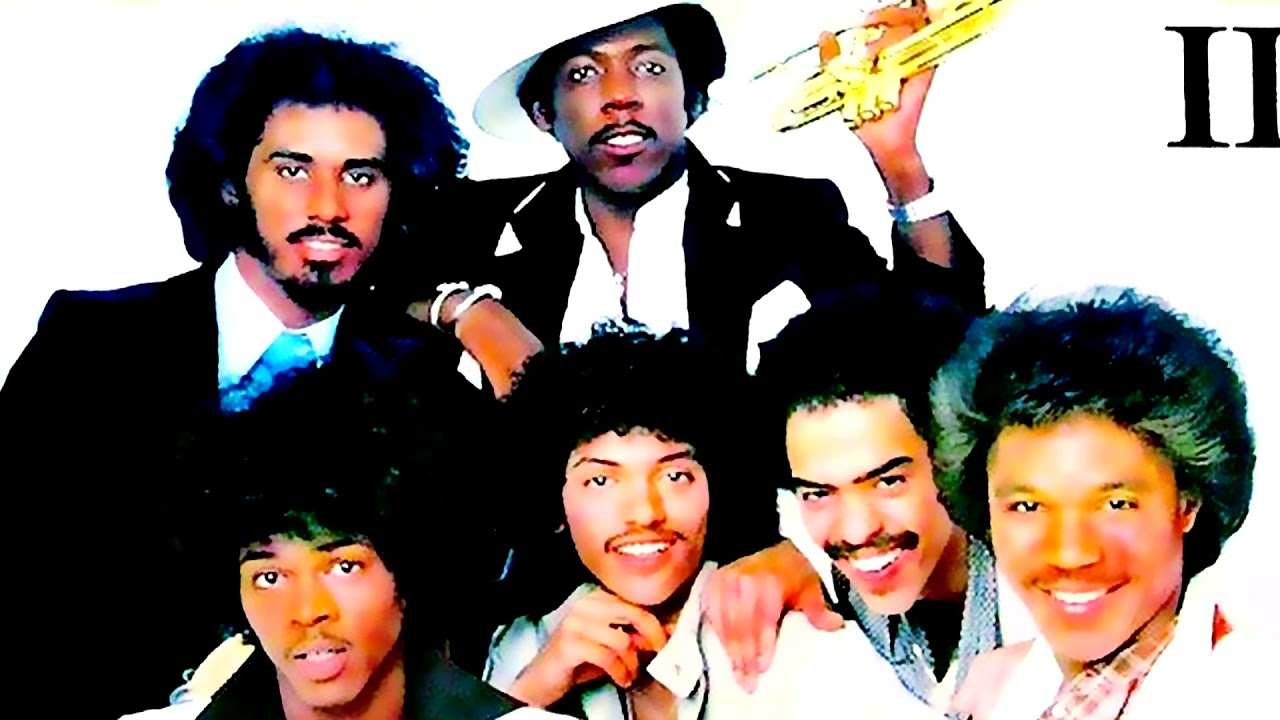
Bobby’s remarkable falsetto first captivated audiences as the lead singer of the funk and R&B group Switch in the late 1970s. Hits like “There’ll Never Be” and “I Call Your Name” showcased a voice that was both technically stunning and achingly vulnerable. Listeners were moved by the palpable emotion in his delivery, a quality that now appears rooted in the very pain he endured. Music became both his escape and his expression.
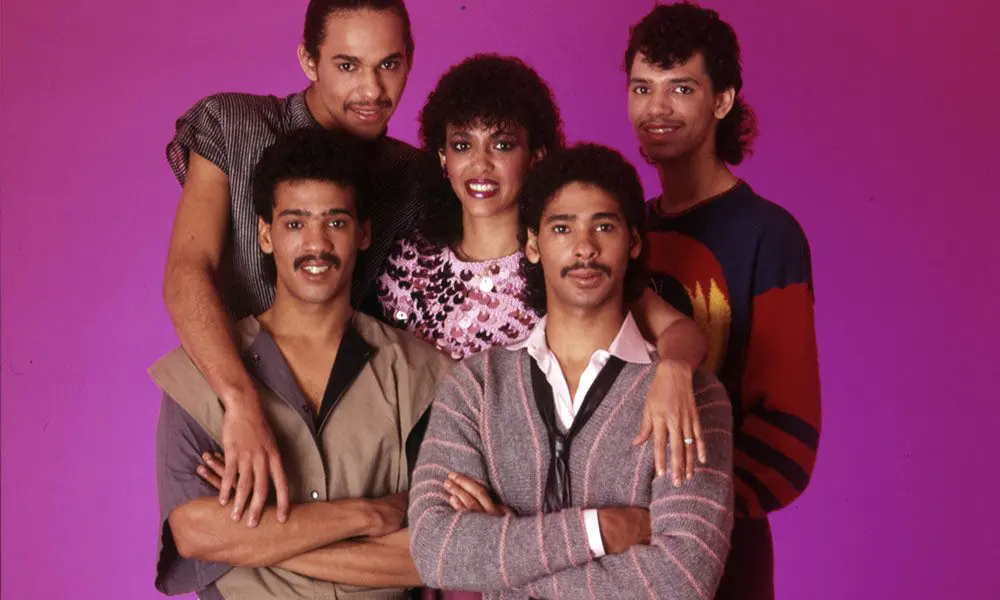
As the DeBarge family group, featuring El, James, and later Bunny, rose to superstardom in the 1980s, Bobby’s influence remained crucial behind the scenes. Yet, his personal life was spiraling. To cope with unresolved childhood trauma, he turned to heroin. What began as self-medication rapidly escalated into a debilitating addiction that derailed his career, leading to erratic behavior and broken professional commitments.
The consequences culminated in the late 1980s with Bobby’s arrest and subsequent imprisonment on drug trafficking charges. This fall from grace was a public and painful contrast to the gleaming image of the DeBarge family brand. Incarceration marked a stark low point, stripping away the last vestiges of his musical career and forcing a confrontation with his demons in the bleakest of environments.
Tragedy compounded upon tragedy when, while still in prison, Bobby was diagnosed with HIV/AIDS. At the time, treatments were limited and the stigma was severe. Released as his health failed, he spent his final months in hospice care in Grand Rapids, Michigan, surrounded by family. He died on August 16, 1995, at just 39 years old, from complications of the disease.
For decades, the full context of Bobby DeBarge’s struggles remained private, overshadowed by the group’s vibrant music and the family’s public persona. El DeBarge’s decision to speak now is framed as an act of painful necessity, an attempt to finally reconcile the dazzling talent with the hidden suffering that fueled it. He describes a home where love was intertwined with fear, and where success was achieved amidst profound silent pain.

This confession forces a reevaluation of the entire DeBarge narrative. It underscores how the brilliant harmonies that defined an era were born from a place of profound dissonance. The story challenges the music industry’s long history of celebrating artistic output while ignoring the human cost, especially when it involves private family trauma concealed behind a public image.
Fans and music historians are now re-listening to Bobby’s performances with Switch and his contributions to DeBarge’s early sound with a new, heartbreaking perspective. The haunting quality of his voice takes on a deeper, more tragic resonance. His life becomes a stark case study in the intersection of genius, trauma, and addiction.
El’s revelation also highlights the lingering intergenerational impact of such childhood abuse. Multiple DeBarge siblings have faced their own public battles with addiction and legal issues, suggesting the family’s trauma extended far beyond Bobby. Speaking out is presented as part of a painful healing process, an attempt to break a cycle that has affected the family for generations.

The music industry is left to grapple with this darker chapter in the history of a beloved group. It raises uncomfortable questions about the pressures faced by child performers and the systems that often exploit their talents while offering little protection or support for their personal well-being, especially within family-run enterprises.
Bobby DeBarge’s legacy is now irrevocably split into two parts: the timeless music that continues to inspire, and the cautionary tale of a talent consumed by unseen scars. His voice, once a symbol of romantic longing, now also speaks to a legacy of survival and unspoken pain within a famous American musical dynasty.
This breaking account from a surviving icon serves as a solemn reminder that the stories behind the songs are often more complex and harrowing than the melodies suggest. The DeBarge family’s truth, now revealed, adds a layer of profound sorrow to their discography, forever changing how their music will be heard and understood. The confession stands as a poignant, if painful, epilogue to a career cut short.