After more than a quarter-century of legal battles and delays, the state of Oklahoma has executed George John Hansen for the 1999 carjacking and murder of a 77-year-old woman. The lethal injection was carried out at the Oklahoma State Penitentiary on June 12, 2025, closing a case marked by brutality, protracted appeals, and a last-minute legal stay that was ultimately overturned.
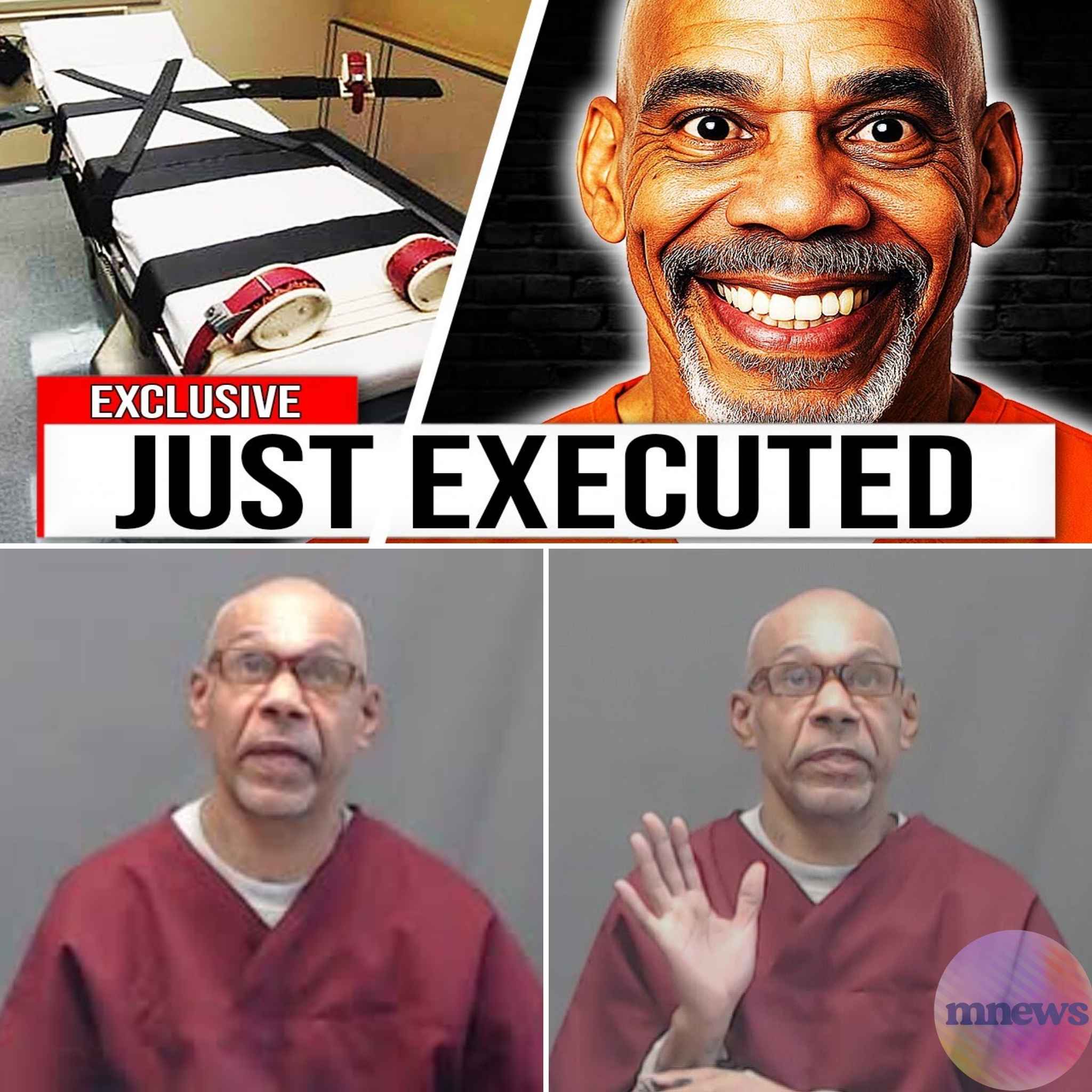
Hansen, 61, was pronounced dead at 10:11 a.m. following a smooth administration of the lethal drugs. His final words, delivered while strapped to the gurney, were a brief plea: “Just forgive me and peace to everyone.” He declined a special last meal, accepting instead the facility’s standard dinner of chicken pot pie, rolls, fruit cups, and carrots.
The execution culminates a grim saga that began on a late summer evening in Tulsa. On August 31, 1999, Hansen and accomplice Victor Miller targeted 77-year-old Mary B.S. as she loaded her car outside a mall. The retired banker and hospital volunteer was forced into her own vehicle at gunpoint.
Seeking a clean getaway car after earlier robberies, the duo drove their captive north. Their path intersected with Gerald Thurman, a 44-year-old trucking company owner making a delivery at a remote dirt pit. Sensing danger, Thurman made a frantic call to his nephew before four shots rang out.
Miller fired the revolver that struck Thurman, who fell gravely wounded. The pair fled with Mary still trapped in the back seat. Later, on a desolate rural road, Hansen dragged the elderly woman from the car, threw her to the ground, and fired four to six rounds from a 9mm pistol into her body.
Her remains, discarded beneath a pile of branches, were not discovered for a week. Thurman was found sooner but never regained consciousness, dying in a hospital two weeks after the attack. The killers’ trail grew cold until a critical mistake: Hansen used his real driver’s license to rent a room at the Oasis Motel.
Forensic evidence soon sealed their fate. Hansen’s fingerprint was found on the driver’s seatbelt in Mary’s car; Miller’s was on the passenger side. The murder weapons were discovered hidden in a toilet tank after their arrest at a motel, tipped off by Miller’s own wife.

At Hansen’s 2001 trial, his lengthy criminal history was laid bare. A friend, Rashad Barnes, testified that Hansen had bragged about the carjacking and killings. The jury took only five hours to convict him on two counts of first-degree murder, recommending death for Mary’s killing.
Legal entanglements delayed his date with the execution chamber for years. After federal prison time for related robberies, a 2022 execution was halted by the Biden administration, preventing his transfer to Oklahoma. The state sued, leading to an indefinite pause.
That changed with a shift in federal leadership. New Attorney General Pam Bondi approved the transfer earlier this year. On March 3, Hansen was moved to Oklahoma’s death row, and an execution date was set. His final plea for clemency was denied in a 3-2 vote last month.
Just days before the execution, an Oklahoma County judge granted a temporary stay. Hansen’s lawyers argued a conflict of interest, noting one parole board member had previously worked for the prosecuting district attorney’s office. The reprieve lasted only 48 hours.
A higher appeals court swiftly overturned the stay, clearing the path for the sentence to proceed. For the victims’ families, the moment was long overdue. Gerald Thurman’s son, Jake, had waited nearly 26 years, noting his mother died after the 2022 delay without seeing justice served.
Accomplice Victor Miller, also convicted for the murders, successfully appealed his death sentence. In 2015, prosecutors removed capital punishment from his case, resulting in a second life sentence without the possibility of parole. Hansen exhausted all similar avenues.

The case exposed the brutal randomness of the crime spree. Mary B.S. was described as a pillar of her community, while Gerald Thurman was a businessman caught in the wrong place. Their deaths sparked a multi-jurisdictional manhunt that ended with a wife’s anonymous tip.
In his final statement during a clemency hearing, Hansen expressed remorse, claiming he was not an evil person but caught in an uncontrollable situation. The board was unmoved, affirming the original jury’s 2001 judgment that his actions warranted the ultimate penalty.
With the execution completed, Oklahoma authorities have closed one of the state’s most protracted capital cases. The story serves as a stark reminder of crimes committed at the century’s turn, finally reaching their judicial conclusion a generation later.
Corrections officials reported no complications during the procedure. The witnesses, including family members of the victims, observed in silence as the sentence was carried out. No further statements from the families were immediately released following the execution.
The legal and moral debates surrounding capital punishment continue, but for the individuals directly involved in this case, a painful chapter has ended. The execution brings a formal close to a story of violence that shattered multiple families and challenged a community’s sense of security.
Hansen’s death marks the first execution in Oklahoma under the current federal administration’s revised transfer policies. Legal analysts suggest it may signal a new phase for other inmates awaiting interstate transfer for state-imposed death sentences.
As the formal paperwork is finalized, the focus now returns to the enduring legacy of the victims. Memorials for Mary B.S. and Gerald Thurman stand as testaments to lives brutally cut short, their stories forever intertwined with the man whose life ended by state order this morning.