A groundbreaking genetic study has shattered centuries of historical consensus, revealing the biological torment that transformed a celebrated king into a paranoid tyrant. New DNA analysis of the Tudor bloodline indicates King Henry VIII was likely afflicted by a rare, devastating genetic disorder that destroyed his health, his mind, and his desperate quest for an heir.
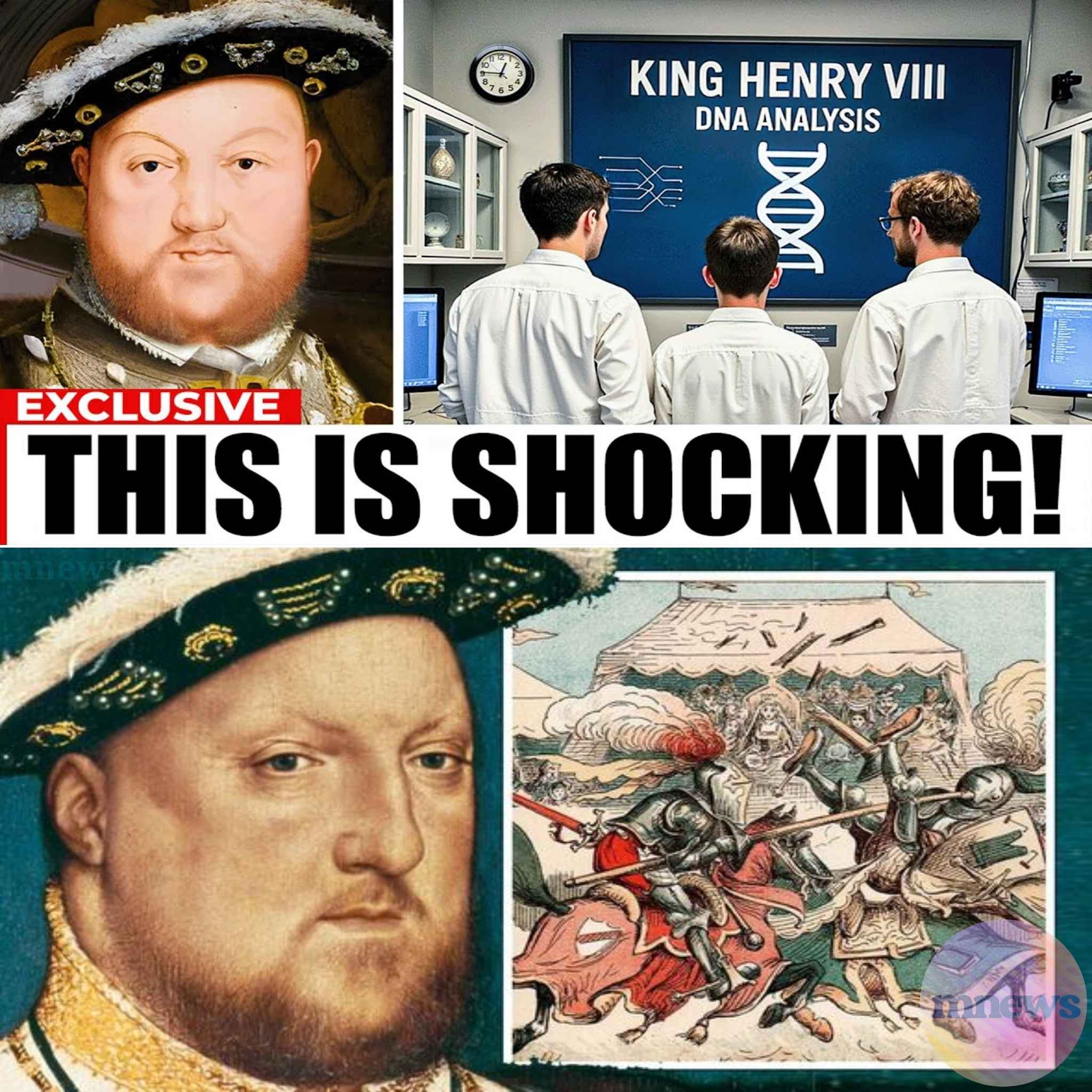
For nearly five hundred years, the dramatic physical and psychological decline of England’s most infamous monarch has been a subject of intense speculation. Historians have proposed theories ranging from syphilis and diabetes to the corrupting nature of absolute power. None fully explained the totality of his suffering.
The emerging evidence points to a two-pronged genetic catastrophe. Bioarchaeological research proposes that Henry carried a rare blood group known as Kell positive. This condition, present in only about nine percent of the Caucasian population, would have doomed his desperate attempts to secure the Tudor succession.
When a Kell-positive father conceives a child with a Kell-negative mother, the first pregnancy typically proceeds normally. Subsequent pregnancies with Kell-positive fetuses trigger a severe immune response, leading to late-term miscarriage or stillbirth. This pattern matches the tragic reproductive history of Henry’s first two wives with chilling precision.
Katherine of Aragon endured at least six pregnancies with Henry, resulting in only one surviving child. Anne Boleyn’s first pregnancy produced the healthy future Queen Elizabeth I, but her next two ended in miscarriage. The pattern across multiple women points decisively to a paternal cause.
The psychological impact of these repeated losses, interpreted by Henry and his court as divine punishment, fueled his marital desperation and religious upheaval. Yet the genetic explanation extends beyond his reproductive woes to his infamous transformation.

Researchers further posit that Henry suffered from McLeod syndrome, a rare genetic disorder linked to the Kell blood group that typically manifests in men around age forty. Henry’s profound personality shift began after a serious jousting accident in 1536, when he was forty-four.
McLeod syndrome attacks the nervous system, leading to progressive cognitive decline, psychiatric symptoms, and movement disorders. Its documented effects include paranoia, anxiety, explosive rage, and severe personality change—a perfect clinical match for the king’s documented descent into tyranny.
His physical ailments, long attributed to gluttony and injury, also align with the syndrome. The chronic, weeping leg ulcers that plagued his final years, likely originating from the jousting fall, would have been exacerbated by poor circulation and compromised tissue repair caused by the disorder.
His legendary obesity, reaching an estimated four hundred pounds by his death, created a vicious cycle of pain, immobility, and metabolic collapse. Modern analysis suggests he suffered from type II diabetes, hypertension, gout, and congestive heart failure, all compounded by his genetic predisposition.
The constant pain, coupled with the neurological deterioration, offers a harrowing new lens on his brutal executions and capricious violence. The man who ordered the deaths of two wives and close advisors was likely experiencing a profound erosion of his mental faculties.
This genetic curse appears traceable through Henry’s maternal line to his great-grandmother, Jacquetta of Luxembourg. The reproductive patterns of her male descendants show similar difficulties, suggesting the Kell antigen was her unintended legacy to the Tudor dynasty.
The king’s final years were a portrait of agonizing decline. He was carried by special machinery, his body engulfed by festering wounds. He died at age fifty-five in January 1547, likely from a combination of heart failure, kidney disease, and a final systemic infection.
This revelation does not absolve Henry VIII of his monstrous acts, but it recontextualizes them. He was not merely a cruel man corrupted by power. He was a biological prisoner, watching his heirs die, his body fail, and his mind unravel, with no contemporary medical understanding of why.
The truth, hidden in his DNA for half a millennium, reveals a tragedy far more complex than history has recorded. England’s golden prince was ultimately destroyed by an invisible enemy he could never defeat: his own genetic code.