A South Carolina firing squad executed Brad Keith Sigmon on Friday evening, closing a case of brutal double murder that has haunted a family and the state’s justice system for nearly a quarter-century. Sigmon, 67, became the oldest person put to death in the state since executions resumed, choosing the rifle squad over the electric chair or lethal injection.
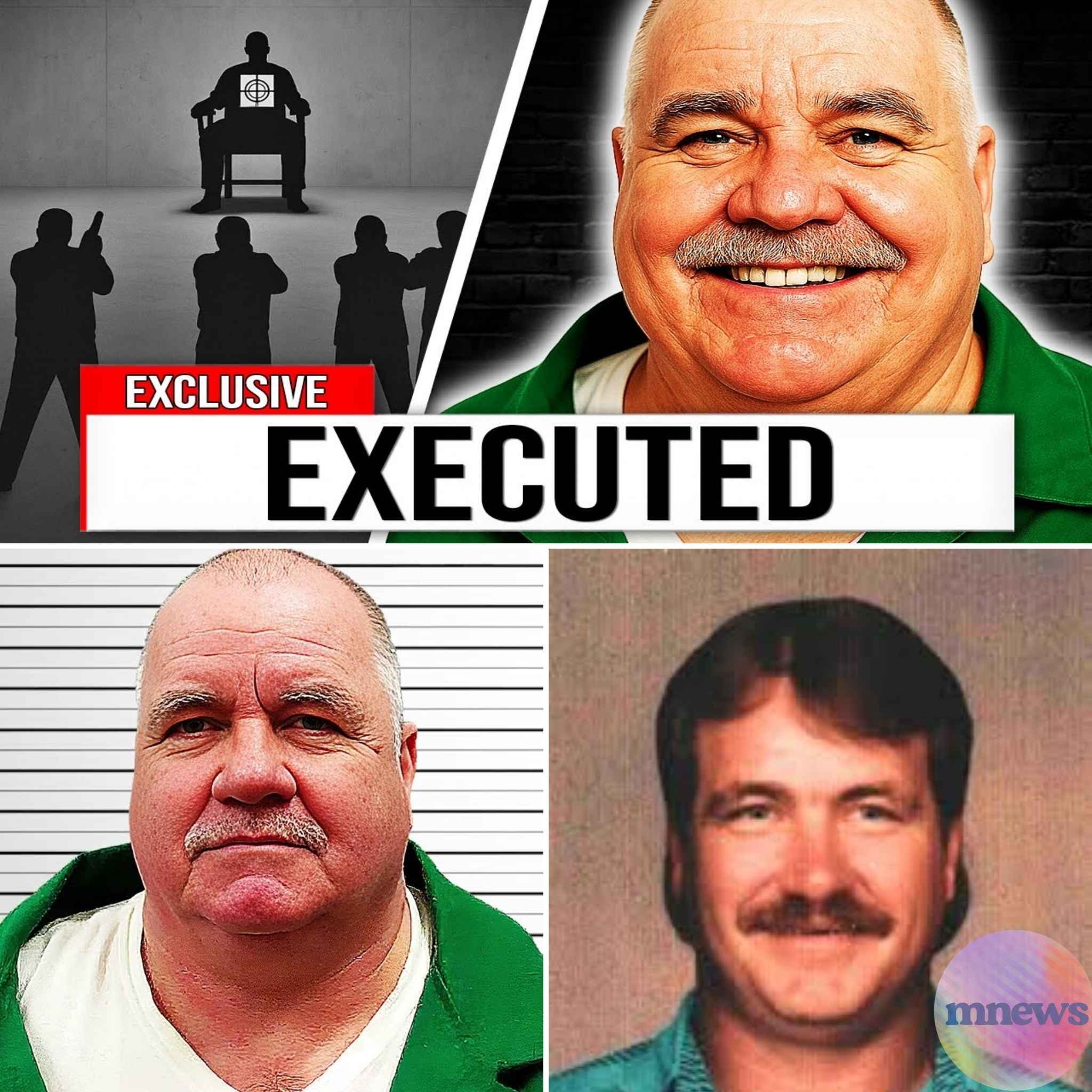
The execution at Broad River Correctional Institution followed more than two decades of appeals. Sigmon was convicted for the 2001 bludgeoning deaths of David and Glattis Lark, his ex-girlfriend’s parents. His final words were a call for an end to capital punishment, quoting scripture on forgiveness.
“An eye for an eye was used as justification to the jury for seeking the death penalty,” Sigmon said in his final statement. “At that time, I was too ignorant to know how wrong that was.” He argued the New Testament does not grant man the authority to kill.
The crime that led him to this end was one of shocking violence. On April 27, 2001, after his partner, Rebecca “Becky” Lark, ended their relationship, Sigmon enacted a desperate plan. He intended to kidnap her after she returned from taking her children to school.
Armed with a baseball bat, he entered her parents’ trailer next door. He attacked David Lark in the kitchen before chasing Glattis into the living room. Medical examiners later testified he delivered nine crushing blows to each victim’s head.
David and Glattis did not die instantly. They survived for up to five minutes, drowning in their own blood. Sigmon then took David’s gun and waited for Becky’s return. When she arrived, he forced her into a car at gunpoint, but she escaped and was shot.
Becky Lark survived the gunshot wound and managed to call for help, leading police to the gruesome scene. A multi-state manhunt ended days later when Sigmon was tracked through a call to his mother and arrested in Gatlinburg, Tennessee.
He confessed fully, admitting to the murders, attempted kidnapping, and shooting. At trial, prosecutors painted a picture of premeditated savagery, detailing the defensive wounds on the elderly victims. The defense did not deny his actions but pleaded for context.

They described Sigmon’s traumatic childhood marked by domestic violence, constant moving, and parental neglect. As the eldest of five, he often shielded his mother from his abusive, alcoholic father. His adult life spiraled into addiction and arrests.
Jurors saw a different man. They convicted him and, on July 20, 2002, sentenced him to death. For over 20 years, Sigmon waited as South Carolina grappled with how to carry out executions. A lack of lethal injection drugs halted the process for years.
State lawmakers eventually revived the electric chair and added the firing squad as an option. Confronted with the choice in 2024, Sigmon selected the rifle squad, believing it to be quicker and less cruel than the alternatives he feared would cause prolonged suffering.
In the hours before his execution, Sigmon consumed his last meal: four pieces of KFC fried chicken, green beans, mashed potatoes, biscuits, cheesecake, and sweet tea. He reportedly asked for enough to share with other inmates on death row.
At 6 p.m., he was led into the execution chamber and strapped to a black metal chair. A hood was placed over his head and a small paper target was pinned over his heart. For two minutes, witnesses observed his heavy, audible breathing behind the hood.
Three volunteers, standing behind a wall with rifle ports, were armed with .308 Winchester rounds. These high-caliber bullets are designed for maximum impact, capable of shattering bone and causing rapid, catastrophic damage to the heart and lungs.
The warden read the execution order. Without further warning, at 6:05 p.m., the squad fired from a distance of 15 feet. The sharp crack of the rifles echoed in the witness room. Sigmon’s body jerked violently against the restraints upon impact.

The paper target was blown clean off his chest. A dark red stain spread rapidly across his shirt. Witnesses reported one or two shallow, agonal breaths before his chest fell still. A doctor entered the chamber approximately one minute later.
After a 90-second examination, the physician pronounced Brad Keith Sigmon dead at 6:08 p.m. His death marks a somber milestone in South Carolina’s fraught history with capital punishment, concluding a case defined by family tragedy, a fractured life, and irrevocable violence.
Becky Lark, the survivor who lost both parents, spoke publicly before the execution. “I miss my mama and daddy,” she said. “I didn’t get to see them grow old. I didn’t get to take care of them. My brothers and sisters, we missed that.”
The execution leaves a complex legacy, juxtaposing Sigmon’s final plea for mercy and forgiveness against the horrific, premeditated nature of his crimes. It also reignites debate over the methods of state-sanctioned death in America.
South Carolina officials have indicated other executions are scheduled to follow. The state’s use of the firing squad, a method now employed by only a handful of states, ensures this case will be cited in legal and ethical discussions for years to come.
For the Lark family, a painful chapter that began in a blood-soaked trailer on a spring morning in 2001 has finally reached its legal conclusion. For the state, the mechanics of death have been tested, proving that after a long hiatus, the process remains operational.