A Houston rapper’s viral street documentary has ignited an unprecedented public feud with the city’s police union, escalating into allegations of targeted harassment, doxing, and a pending federal lawsuit that could redefine the line between artistic expression and law enforcement retaliation.
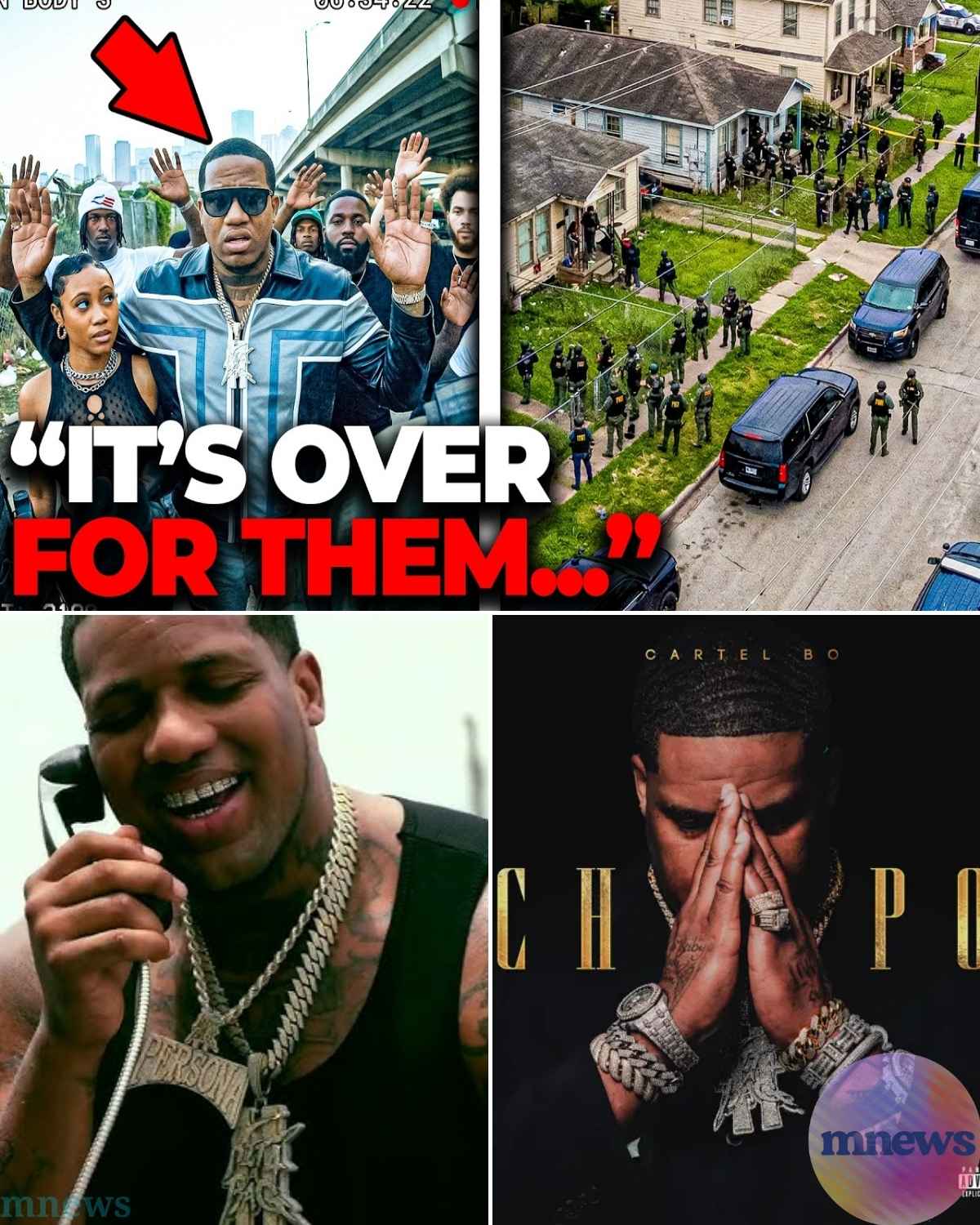
Warren Trel Brown II, known professionally as Cartel Bo, finds himself at the center of a legal and cultural firestorm. The conflict reached a boiling point after the Houston Police Officers’ Union took to social media to directly challenge the authenticity of his rap persona and the neighborhood he champions.
The union publicly contested the narrative of his viral documentary, “Murderwood: Inside Houston’s Deadliest Hood,” which portrays the Lakewood area as a volatile epicenter. Law enforcement officials stated the area has recorded two murders, not the hundreds his “Murderwood” moniker implies, effectively labeling his street credibility a fabrication.
This extraordinary online confrontation took a severe turn during a televised interview on Fox 26. Cartel Bo and his attorney, Carl Moore, alleged a campaign of systemic targeting, claiming the police department has pressured venues to cancel his performances.
The most explosive allegation, however, was that law enforcement personnel deliberately leaked Cartel Bo’s private home address to the public—an act known as doxing that his legal team argues places his life in immediate danger.
Moore has announced the filing of a federal lawsuit against the involved parties. If proven, the deliberate release of private residential information by officials could constitute a serious civil rights violation, setting a significant legal precedent.
This public war is the latest chapter in a long history of friction between Cartel Bo and federal authorities. His career took a drastic turn in 2018 following the filming of the music video “Hoova” in Lakewood Park.
That video, featuring dozens of alleged gang affiliates and multiple firearms near a school, was later dissected frame-by-frame by ATF agents. The evidence led to federal charges for Cartel Bo, a convicted felon seen holding weapons, and ten others.

After pleading guilty to felon in possession of a firearm, he served federal prison time. His 2024 release was marked by a major label deal with Warner Records and a project titled “Life After the Feds, It Gets Better,” framing a narrative of redemption.
The police union’s public rebuttal to his documentary has shattered that comeback momentum, creating a stark battle over narrative control. The union maintains it is merely correcting a false and damaging portrayal of a Houston community.
Complicating the saga further, Cartel Bo was recently arrested alongside his child’s mother on unrelated charges, including a probation violation. The police union points to this as evidence of ongoing criminality, not persecution.
This case underscores a persistent tension in hip-hop between documentation and evidence. Cartel Bo’s music and films, presented as raw authenticity, have repeatedly become tools for his prosecution and public dismantling.
The Houston Police Officers’ Union’s decision to engage directly on social media represents a new, aggressive frontier in that dynamic, moving the conflict from the courtroom into the court of public opinion.

Legal experts note that the doxing allegation is the lawsuit’s core. Proving intent and direct involvement by law enforcement will be a steep challenge, but could have ramifications for how police interact with artists nationwide.
The case raises fundamental questions about the limits of artistic license, the power of police unions to shape public perception, and the protections afforded to individuals, even those with extensive criminal records, from state-sponsored harassment.
For now, Cartel Bo navigates a precarious reality: promoting his art while fighting legal battles on multiple fronts, all under the glare of a public feud with the very institution tasked with keeping his community safe.
The outcome will be closely watched by the music industry, civil liberties advocates, and law enforcement agencies, as it tests the boundaries of free expression, privacy, and police authority in the digital age.
His story is a modern American parable of crime, punishment, comeback, and confrontation—where lyrics, lawsuits, and social media posts collide with the full force of the legal system. The streets, the studios, and the squad rooms are all waiting for the next move.