At 6:07 p.m. on February 7th, 2023, Leonard Taylor was executed by lethal injection at Missouri’s Potis Correctional Center, ending a 15-year death row saga. Convicted for the brutal murders of his girlfriend Angela Row and her three children, Taylor’s case ignited fierce debates over evidence and justice until his final breath.
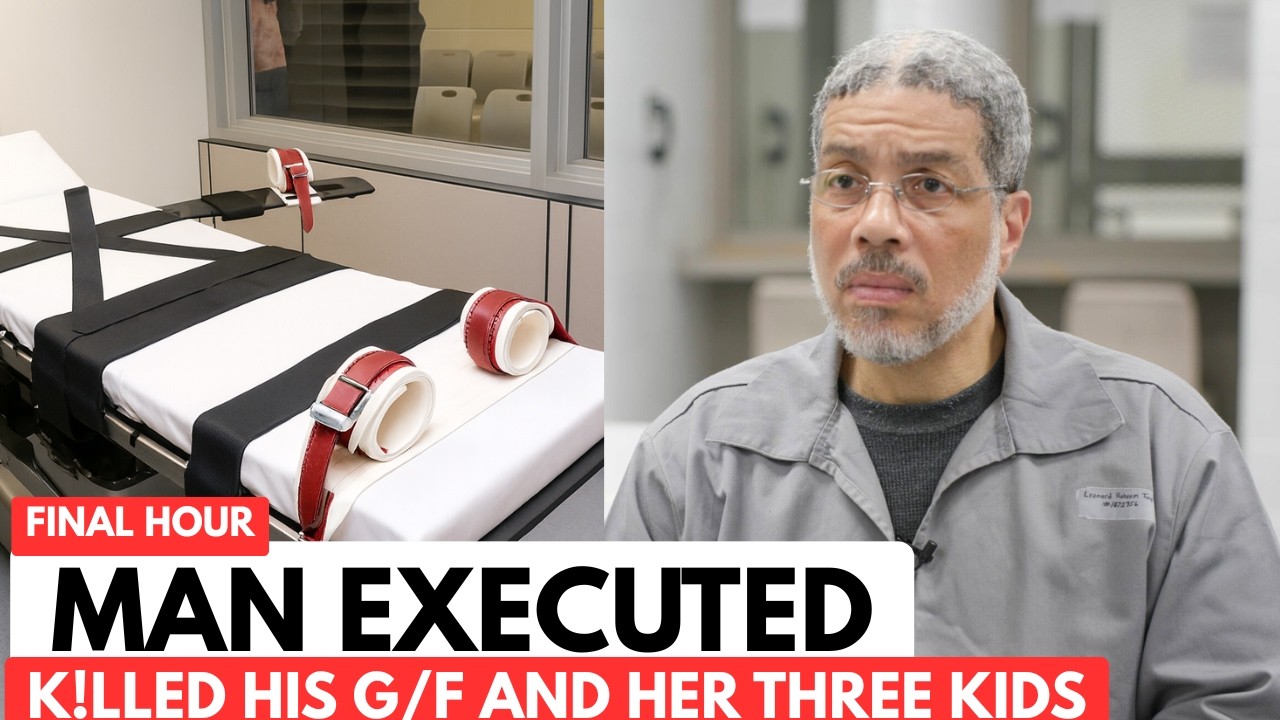
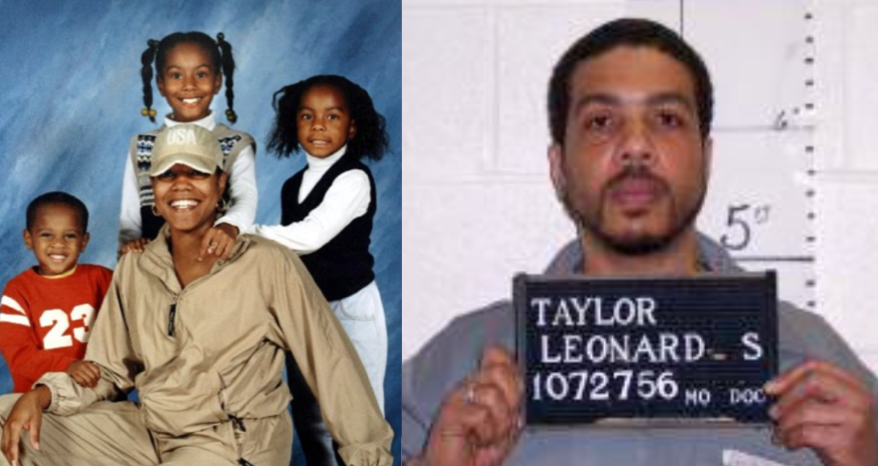
The tragic case dates back to December 3rd, 2004, when Angela Row, 28, and her children Alexis, 10, Acraa, 6, and Tyrese, 5, were found shot execution-style in their Jennings, Missouri home. Authorities quickly focused on Leonard Taylor, Angela’s boyfriend, who was already out of state in California.
Taylor’s flight to California on November 26th to meet his teenage daughter, Deja, became the focal point of contention. Surveillance footage confirmed his presence at the St. Louis airport that morning, raising a critical question: could Taylor have committed the murders after he had left Missouri?
The timeline hinged entirely on the victims’ time of death. Initial forensic estimates placed the killings around November 30th or December 1st, suggesting Taylor was already in California. However, the medical examiner revised his conclusion, citing air conditioning’s effect on decomposition, pushing the deaths back up to three weeks earlier.
This revised timeline became the prosecution’s linchpin, implicating Taylor, who was ultimately convicted in 2008 of four counts of first-degree murder. The jury accepted the state’s narrative that Taylor killed Angela during a domestic dispute and murdered her children as witnesses to silence them.
Despite conviction, Taylor consistently claimed innocence. His legal team pointed to multiple flaws: his brother Perry’s recanted confession; alleged phone calls from California to Angela’s family after Taylor’s departure; the absence of the murder weapon; and an independent pathologist contesting the revised time of death.
The lack of physical evidence directly placing Taylor at the scene at the time of the killings deepened doubts. No gun was ever recovered despite claims of its disposal, and no eyewitnesses came forward. Critics argued that critical evidence supporting Taylor’s innocence was never fully examined in court.
Efforts to halt the execution mounted in the final weeks. The Midwest Innocence Project and civil rights groups appealed to Missouri Governor Mike Parson, urging clemency and a review of the case. Parson refused, deeming the innocence claims self-serving and denying a parole hearing or spiritual counsel at execution.
Taylor’s appeals extended to the Missouri Supreme Court and the U.S. Supreme Court, both of which declined intervention, clearing the path for his execution. The denial of an imam’s presence in the execution chamber also stirred controversy among advocates for Taylor’s religious rights.
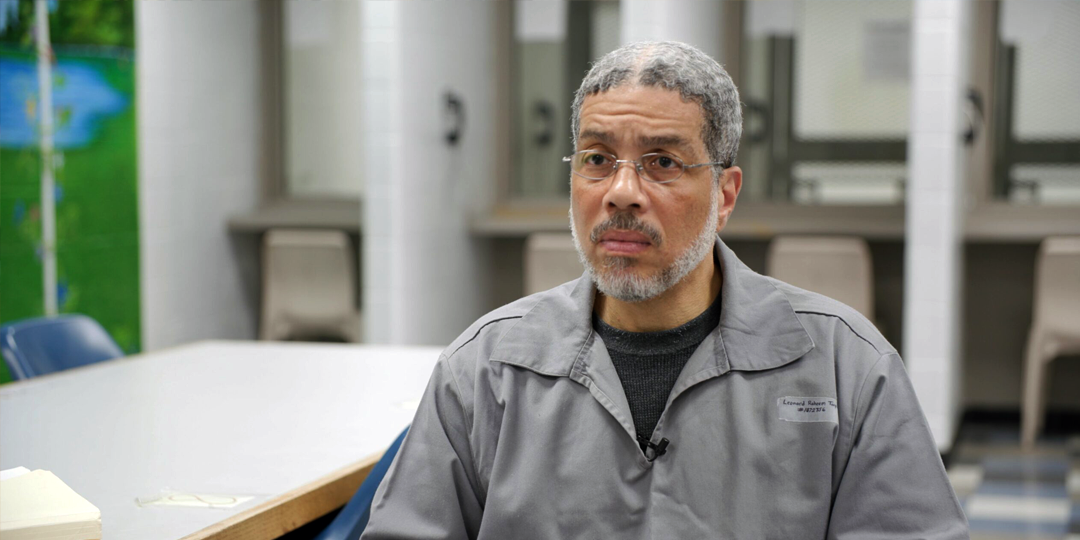
In his final days, Taylor, known to some by his Islamic name Raheem, appeared calm and composed. He reportedly embraced his fate with faith, sharing that “whatever is Allah’s will is Allah’s will.” His final words, written and released publicly, included verses from the Quran and a message about death’s inevitability and peace.
His last written statement quoted Surah verses 153 and 154, reflecting patience and the belief in life beyond death. Taylor closed with the poignant phrase, “Muslims don’t die; we live eternally in the hearts of family and friends… Death is not your enemy. It is your destiny. Peace.”
At 6:16 p.m., nine minutes after lethal injection began, Leonard Taylor was pronounced dead. He was Missouri’s third execution since November 2022. Witnesses included journalists and representatives from both Taylor’s and the victims’ families, underscoring the case’s enduring emotional weight.
In the aftermath, Angela Row’s sister, Gjun Row, expressed mixed feelings: “Justice is served… Not really.” Her words captured the complex grief and unresolved emotions surrounding this unspeakable loss and contentious verdict nearly two decades in the making.
The Midwest Innocence Project condemned the execution, labeling it a miscarriage of justice fueled by unreliable testimony and disputed forensic evidence. They highlighted that since 1973, over 190 death row exonerations occurred nationally, four hailing from Missouri, reflecting ongoing systemic concerns.
Missouri officials, including Governor Parson, firmly upheld the conviction and execution. For them, decades of legal scrutiny validated the guilt verdict. The victim’s family echoed this stance, asserting that justice had finally been delivered for Angela and her children.
Leonard Taylor’s case remains a flashpoint in the debate over capital punishment, evidentiary standards, and the possibility of wrongful convictions. It exposes the tension between legal finality and lingering doubts, raising urgent questions about how justice is administered and experienced.
As the nation watches, this case underscores the profound human cost behind death row decisions—four lives vio
lently extinguished and one man executed amid controversies that will persist long after the headlines fade.
The story of Leonard Taylor, Angela Row, Alexis, Acraa, and Tyrese demands reflection. It challenges us to scrutinize the intersections of evidence, justice, and mercy in the gravest of human circumstances, ensuring such events are neither forgotten nor repeated.
In the wake of this execution, the discourse surrounding wrongful convictions and death penalty practices in Missouri and the U.S. is unlikely to subside. Advocacy groups vow to push harder for reforms that protect the innocent and enhance transparency in capital cases.
This case’s legacy will reverberate in courtrooms, communities, and conversations nationwide. It stands as a stark reminder that in the pursuit of justice, certainty must be rigorously demanded—and that the stakes are, quite literally, life and death.