Alberta Premier Danielle Smith has just unveiled a groundbreaking pipeline project that promises to pump one million barrels of oil per day, potentially generating an astonishing $20 billion annually. This bold initiative aims to connect Alberta’s oil directly to global markets, bypassing federal roadblocks and emphasizing indigenous ownership and environmental responsibility.
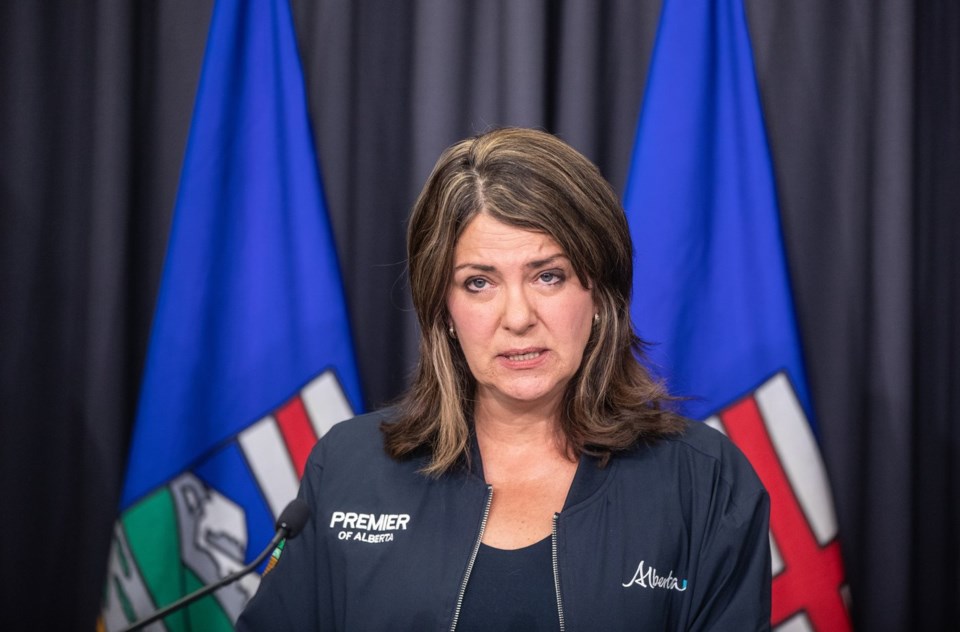
In a decisive move, Smith expressed confidence in rallying support from British Columbia’s Premier David Eby, declaring this pipeline as a “nation-building project.” Alberta is actively seeking private sector partners for this ambitious venture, which aims to reshape Canada’s energy landscape amidst global instability.
The proposed pipeline would facilitate the transport of one million barrels of oil daily, translating to a staggering $20 billion in revenue each year. Smith’s plan not only targets British Columbia’s northwest coast but also includes expansive rail and LNG lines, creating a comprehensive energy corridor that promises economic revitalization for the province.
Amidst Ottawa’s ongoing delays and regulatory hurdles, Alberta is taking matters into its own hands. The province is already producing over 4.2 million barrels of oil per day, but Smith argues that current policies are blocking potential growth, costing Alberta billions in lost revenue.

Smith’s announcement comes at a critical time when many countries are seeking stable energy sources. Alberta aims to reduce its reliance on foreign oil while enhancing its economic independence. The proposed corridor is designed to connect Alberta’s resources to various markets, including Asia and Europe, within a matter of days.
Indigenous communities are set to benefit significantly from this project, with Smith emphasizing real ownership stakes and financial equity. Alberta’s Indigenous Opportunities Corporation has already secured $750 million in investments for indigenous groups, a figure Smith plans to scale to $3 billion.
While environmental concerns are often raised, Smith asserts that Alberta is committed to sustainable practices, including carbon capture technologies and hydro power integration. The goal is ambitious: achieving net-zero emissions from oil sands by 2050.

This announcement has sparked discussions about Alberta’s growing separatist sentiment, with recent polls indicating that 37% of the province supports exploring independence if federal roadblocks persist. Smith’s pipeline initiative is not just about oil; it symbolizes a push for economic sovereignty and regional collaboration among Western provinces.
With Manitoba and Saskatchewan’s premiers backing the project, a Western Canadian alliance is emerging, focused on energy security and trade without waiting for Ottawa’s approval. Alberta is poised to move forward, building infrastructure and enhancing indigenous participation while the rest of Canada grapples with climate policies.
As the pipeline battle heats up, Smith’s message is clear: Alberta is done asking for permission. The future of energy in Canada is being redefined, and Alberta is leading the charge. Stay tuned as this story unfolds—this is just the beginning of a significant shift in Canada’s energy landscape.