A simmering decades-long rivalry between hip-hop titans Jay-Z and 50 Cent has erupted into a new public firestorm, with explosive allegations of corporate sabotage and deeply personal insults now dominating the cultural conversation. The conflict, reignited by 50 Cent’s persistent claims, centers on a shocking accusation: that Jay-Z used his executive power to block 50 Cent from the historic 2022 Super Bowl Halftime Show.
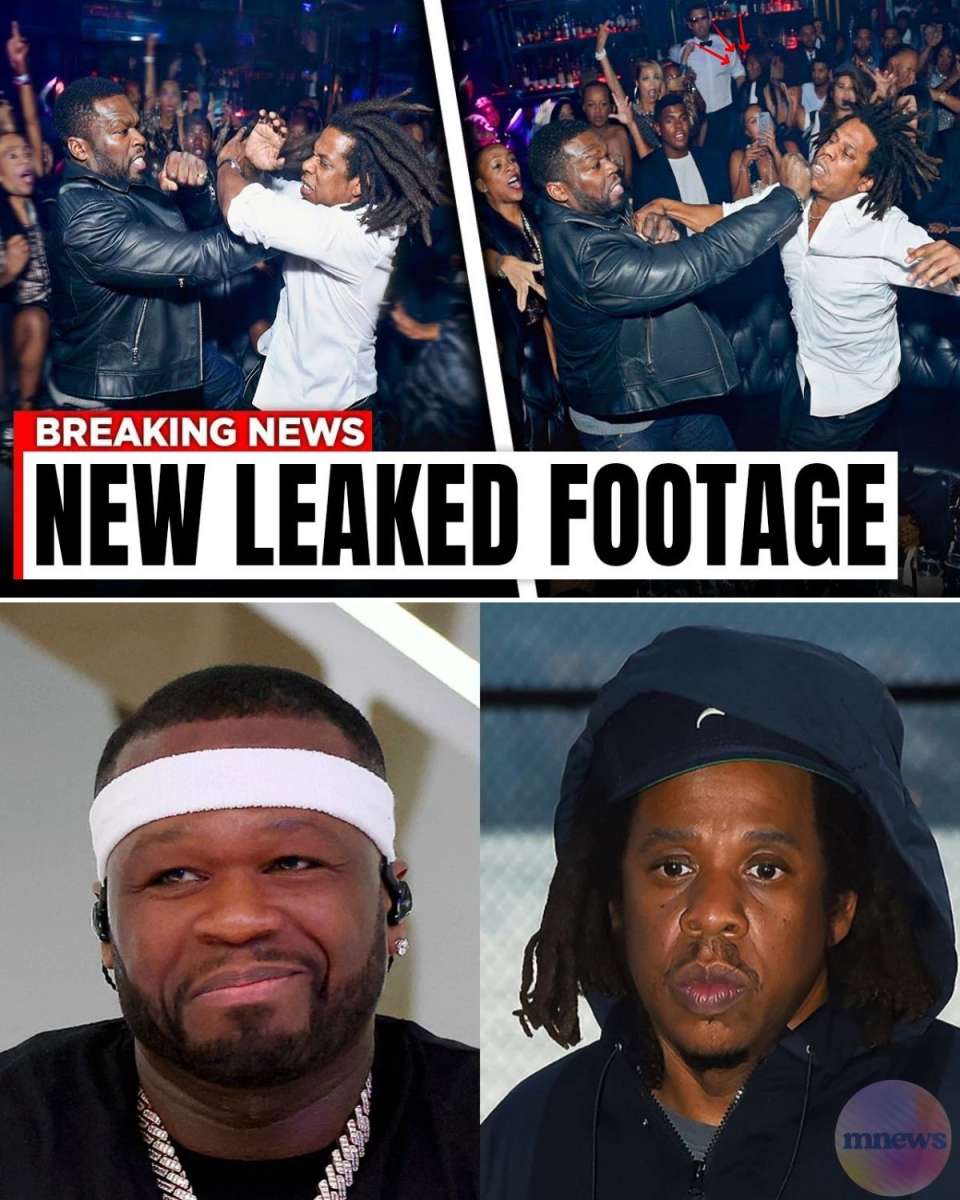
The feud reached a new intensity this week as a clip of 50 Cent’s recent commentary went viral. In it, he not only reiterates the Super Bowl allegation but launches a scathing personal critique of Jay-Z’s legacy and image. He suggests Jay-Z’s Grammy success is intrinsically tied to his marriage to Beyoncé, asking, “When he signed that contract, the marriage contract, he got trophies.” He further mocks Jay-Z’s aesthetic, claiming he aims to “look like a gay painter,” a reference to artist Jean-Michel Basquiat.
The core of the current controversy remains the Super Bowl LVI halftime show. Since 2019, Jay-Z’s Roc Nation has held a production partnership with the NFL, giving him substantial influence over the prestigious event. 50 Cent has repeatedly stated that Jay-Z directly intervened with Dr. Dre and Eminem to exclude him from the performance, which featured West Coast hip-hop legends.
According to 50 Cent and corroborated by his G-Unit colleague Tony Yayo, the situation escalated to an ultimatum. Yayo stated in an interview that Eminem insisted he would not perform unless 50 Cent was included, forcing his last-minute, iconic upside-down entrance. This allegation paints a picture of high-stakes corporate maneuvering nearly derailing one of the most-watched musical events in the world.
50 Cent frames this not as petty rap beef but as a business-level conflict. He theorizes that his monumental success in television production with the “Power” franchise positions him as a direct competitor to Jay-Z’s entertainment empire. “When it goes past the music itself to blocking things in business,” 50 Cent said, “then I don’t understand that.” He interprets the alleged blockage as a sign of being perceived as a threat beyond the recording studio.
The origins of this epic clash trace back to 1999, when an upstart 50 Cent released the incendiary track “How to Rob,” name-dropping and fantasizing about robbing dozens of established artists, including Jay-Z. Jay-Z’s dismissive response—”I’m about a dollar, what the f** is 50 Cent?”—on the track “It’s Hot (Some Like It Hot)” set a tone of condescension that has echoed for 25 years.

Their paths have intertwined through sales battles, competing business ventures, and public jabs, but the dynamic has consistently followed a pattern 50 Cent describes. He portrays Jay-Z as a “coolest punk” who operates through proxies and corporate structures, avoiding confrontation. The current allegations fit this narrative perfectly, suggesting the battlefield has shifted from diss tracks to boardroom decisions.
Jay-Z has maintained a steadfast silence on all of 50 Cent’s recent claims, a tactic interpreted in wildly different ways. Supporters see it as a dignified refusal to engage in gossip; critics view it as an admission of guilt or corporate arrogance. This silence has allowed 50 Cent’s narrative to flourish unchecked across media and social platforms.
The implications of this feud extend far beyond two individuals. It sparks urgent discussions about power, gatekeeping, and authenticity in the modern music industry. It questions how corporate positions influence artistic opportunity and whether old personal rivalries should impact cultural moments meant to celebrate the genre.
As the viral footage continues to circulate, the court of public opinion remains fiercely divided. Some champion 50 Cent as a truth-teller challenging a powerful gatekeeper. Others defend Jay-Z’s legacy and view 50 Cent’s comments as relentless instigation. What is undeniable is that this quarter-century cold war, evolving from street corners to streaming services and corporate suites, shows no sign of a ceasefire. The weapons have changed, but the battle for legacy, influence, and the very soul of hip-hop’s business empire rages on.